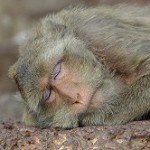
Lopburi is a Thai city steeped in history, but today most travelers have just one thing on their minds: monkeys.
 [/caption]
If you don't mind braving the crowds, the best time to visit the monkeys is the Lopburi Monkey Festival, which is held on the last weekend in November each year. The locals prepare an exhaustive feast at the Wat Phra Prang Sam Yot temple for their monkey mates. You wouldn't guess that these monkeys favor crabs. They devour some 2000 kilograms of food, including eggs, fruit, and even soda. It seems quite generous of the locals to spoil the monkeys this way, but they believe their acts of altruism will bring them good luck.
However you can spot the macaques monkeying about the city any time of year. In fact, your interaction with them is likely to be a bit more special if you pick a quieter time to visit. You'll also save the 30 baht it costs to attend the festival. Look for them in the area known as the Old Town, especially the religious sites of Wat Phra Prang Sam Yot and the Phra Kaan Shrine. You can buy some sunflower seeds for a few baht from Wat Phra Prang Sam Yot if you want to coax the monkeys closer.
The monkeys are eager to meet tourists and always hungry, but don’t be afraid. They are not aggressive, and even when they jump on you they won’t cause any harm. If you’d prefer to observe them from a distance, don’t tempt them with any treats. It’s also advised not to wear any accessories when you’re around the monkeys, as they can become fascinated by earrings, sunglasses, and baseball caps. If you forget this rule, don’t be surprised if a curious monkey steals your clothes!
Trains from Bangkok depart several times a day for Lopburi, making the three-hour journey via Ayutthaya. The station is a short walk from Wat Phra Prang Sam Yot, so if you only want to see Lopburi's monkeys a day trip is easily achieved.
If you love wildlife, you'll likely see Chang Mai's elephants and the tigers of Wat Pha Luang Ta Bua Yannasampanno monastery. But no Thai animal safari would be complete without visiting the monkeys of Lopburi.
[/caption]
If you don't mind braving the crowds, the best time to visit the monkeys is the Lopburi Monkey Festival, which is held on the last weekend in November each year. The locals prepare an exhaustive feast at the Wat Phra Prang Sam Yot temple for their monkey mates. You wouldn't guess that these monkeys favor crabs. They devour some 2000 kilograms of food, including eggs, fruit, and even soda. It seems quite generous of the locals to spoil the monkeys this way, but they believe their acts of altruism will bring them good luck.
However you can spot the macaques monkeying about the city any time of year. In fact, your interaction with them is likely to be a bit more special if you pick a quieter time to visit. You'll also save the 30 baht it costs to attend the festival. Look for them in the area known as the Old Town, especially the religious sites of Wat Phra Prang Sam Yot and the Phra Kaan Shrine. You can buy some sunflower seeds for a few baht from Wat Phra Prang Sam Yot if you want to coax the monkeys closer.
The monkeys are eager to meet tourists and always hungry, but don’t be afraid. They are not aggressive, and even when they jump on you they won’t cause any harm. If you’d prefer to observe them from a distance, don’t tempt them with any treats. It’s also advised not to wear any accessories when you’re around the monkeys, as they can become fascinated by earrings, sunglasses, and baseball caps. If you forget this rule, don’t be surprised if a curious monkey steals your clothes!
Trains from Bangkok depart several times a day for Lopburi, making the three-hour journey via Ayutthaya. The station is a short walk from Wat Phra Prang Sam Yot, so if you only want to see Lopburi's monkeys a day trip is easily achieved.
If you love wildlife, you'll likely see Chang Mai's elephants and the tigers of Wat Pha Luang Ta Bua Yannasampanno monastery. But no Thai animal safari would be complete without visiting the monkeys of Lopburi.
 [/caption]
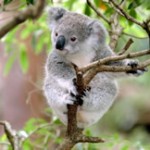
There's no better alarm clock than the squeaks, growls, and roars of hungry zoo animals keen to have breakfast. You'll watch them being fed, and meet a few more creatures before the day's visitors arrive. You're free to explore the zoo at your leisure then until the zoo closes for another day.
Roar and Snore sleepovers run every Friday, Saturday, and Sunday night. Tickets start from $240 for adults and $185 for children, depending on the season. While this is expensive, the memories you'll make on this intimate zoo experience may be worth the splurge.
[/caption]
There's no better alarm clock than the squeaks, growls, and roars of hungry zoo animals keen to have breakfast. You'll watch them being fed, and meet a few more creatures before the day's visitors arrive. You're free to explore the zoo at your leisure then until the zoo closes for another day.
Roar and Snore sleepovers run every Friday, Saturday, and Sunday night. Tickets start from $240 for adults and $185 for children, depending on the season. While this is expensive, the memories you'll make on this intimate zoo experience may be worth the splurge.
 [/caption]
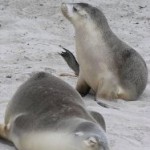
An hour can seem like a moment when you're spending time with these friendly sea creatures, and before too long it’ll be time to return to dry land, filled with the memories of the special experience you’ve shared.
Baird Bay Ocean Eco Experience swim tours run daily from September 1 until May 31 each year. It costs $140 for swimming adults, and $70 for children 15 years and under. Non swimming adults can watch from the boat for $100. The tour price includes the hire of wetsuits and snorkeling gear. While tickets can be purchased from the Marine Mammal Information Center before departure, it’s advisable to book your place during peak times to avoid disappointment.
[/caption]
An hour can seem like a moment when you're spending time with these friendly sea creatures, and before too long it’ll be time to return to dry land, filled with the memories of the special experience you’ve shared.
Baird Bay Ocean Eco Experience swim tours run daily from September 1 until May 31 each year. It costs $140 for swimming adults, and $70 for children 15 years and under. Non swimming adults can watch from the boat for $100. The tour price includes the hire of wetsuits and snorkeling gear. While tickets can be purchased from the Marine Mammal Information Center before departure, it’s advisable to book your place during peak times to avoid disappointment.

 Papua New Guinea’s mosquitoes generally prove to be more of a problem for travelers than bandits. While their bites and buzzing can be an annoyance, there is a more serious side to mosquitoes as they can spread malaria and Dengue fever. Cover yourself in insect repellent to minimize the chance of bites and illness.
Papua New Guinea has its fair share of land and sea nasties. Its home to a handful of dangerous snakes, including the death adder and taipan, although these reptiles will not attack unless provoked. Be careful when walking in areas with limited visibility, such as long grass or leaf covered ground, as you may startle these dangerous creatures. If you are bitten apply a compression bandage and stay still until medical help arrive. Major medical centers are well stocked with antivenins to deal with these emergencies.
It’s common to encounter leeches when hiking through Papua New Guinea's jungle areas. While they are generally not dangerous, they can cause bleeding when removed. Insect repellent can help to ward them off, while insecticide can aid in their removal.
Crocodile attacks are uncommon, but you should heed local warnings to ensure you don't become one of the rare victims. Jellyfishes should also be avoided when swimming, as their stings can be painful. Sea snakes and poisonous cone shells are also common in coral reefs, so keep your eyes peeled on diving expeditions.
All of these dangers can seem overwhelming, but by exercising caution travelers can stay safe and enjoy their Papua New Guinea vacation.
Papua New Guinea’s mosquitoes generally prove to be more of a problem for travelers than bandits. While their bites and buzzing can be an annoyance, there is a more serious side to mosquitoes as they can spread malaria and Dengue fever. Cover yourself in insect repellent to minimize the chance of bites and illness.
Papua New Guinea has its fair share of land and sea nasties. Its home to a handful of dangerous snakes, including the death adder and taipan, although these reptiles will not attack unless provoked. Be careful when walking in areas with limited visibility, such as long grass or leaf covered ground, as you may startle these dangerous creatures. If you are bitten apply a compression bandage and stay still until medical help arrive. Major medical centers are well stocked with antivenins to deal with these emergencies.
It’s common to encounter leeches when hiking through Papua New Guinea's jungle areas. While they are generally not dangerous, they can cause bleeding when removed. Insect repellent can help to ward them off, while insecticide can aid in their removal.
Crocodile attacks are uncommon, but you should heed local warnings to ensure you don't become one of the rare victims. Jellyfishes should also be avoided when swimming, as their stings can be painful. Sea snakes and poisonous cone shells are also common in coral reefs, so keep your eyes peeled on diving expeditions.
All of these dangers can seem overwhelming, but by exercising caution travelers can stay safe and enjoy their Papua New Guinea vacation.
 It's not unusual to swim with around 20 dolphins swarming about you. They have no fear of humans, and seem delighted to have new playmates to share the waters with.
You might have read about dolphins in textbooks or watched them at the zoo, but an experience like this is the best way to really learn about these fascinating creatures. Note - our partner site JobMonkey includes an
It's not unusual to swim with around 20 dolphins swarming about you. They have no fear of humans, and seem delighted to have new playmates to share the waters with.
You might have read about dolphins in textbooks or watched them at the zoo, but an experience like this is the best way to really learn about these fascinating creatures. Note - our partner site JobMonkey includes an  [/caption]
Do not let the risk of a shark attack stop you from enjoying Australia's beautiful beaches. Most major beaches have shark nets installed to prevent swimmers from coming face to face with these ocean predators. By sticking to patrolled areas, and obeying instructions from the lifeguards, you are likely to stay safe.
Crocodiles are also not a threat in most parts of Australia. While salties and freshwater crocs are common in the Northern Territory and the northernmost tip of Queensland, they do not live in Australia's most common tourist areas. Crocodile habitats in these locations are often signposted, but when in doubt tourists should resist the urge for a dip. Public beaches and waterholes are the best places to cool off up north.
As a rule, Australia's animals should be admired from a safe distance. While some spiders, snakes, and other creatures are not dangerous it’s best to err on the side of caution. Attacks and injuries from Australia’s native wildlife are rare. However, if you are in trouble call the emergency services number 000 from any phone immediately.
[/caption]
Do not let the risk of a shark attack stop you from enjoying Australia's beautiful beaches. Most major beaches have shark nets installed to prevent swimmers from coming face to face with these ocean predators. By sticking to patrolled areas, and obeying instructions from the lifeguards, you are likely to stay safe.
Crocodiles are also not a threat in most parts of Australia. While salties and freshwater crocs are common in the Northern Territory and the northernmost tip of Queensland, they do not live in Australia's most common tourist areas. Crocodile habitats in these locations are often signposted, but when in doubt tourists should resist the urge for a dip. Public beaches and waterholes are the best places to cool off up north.
As a rule, Australia's animals should be admired from a safe distance. While some spiders, snakes, and other creatures are not dangerous it’s best to err on the side of caution. Attacks and injuries from Australia’s native wildlife are rare. However, if you are in trouble call the emergency services number 000 from any phone immediately.
 [/caption]
The monastery's first tiger arrived in 1995. The cub was orphaned at the hands of poachers, and the monks quickly stepped in to raise the helpless creature. The numbers have since grown, and today the monastery is home to several adult and juvenile tigers.
Visitors to the monastery can see tigers feeding, playing, and spending time with the monks. A highlight for tigers and tourists alike is bath time, which happens every day at 2 pm.
It's important to remember that while the tigers have lived with the monks for many years, they are still wild animals. Guests are advised not to wear brightly colored clothes or perfumes, as these may disturb the tigers. You should also refrain from making loud noises, and never turn your back on the animals.
Wat Pha Luang Ta Bua Yannasampanno monastery is a 30-minute bus or taxi ride from Kanchanaburi, a metropolitan center lying three hours from Bangkok. Tourists with an interest in meditation are invited to stay with the monks in their temple. As is Buddhist custom, there is no charge for this accommodation, although it is polite to offer a donation. These financial gifts help the monks feed their tigers and other animals.
[/caption]
The monastery's first tiger arrived in 1995. The cub was orphaned at the hands of poachers, and the monks quickly stepped in to raise the helpless creature. The numbers have since grown, and today the monastery is home to several adult and juvenile tigers.
Visitors to the monastery can see tigers feeding, playing, and spending time with the monks. A highlight for tigers and tourists alike is bath time, which happens every day at 2 pm.
It's important to remember that while the tigers have lived with the monks for many years, they are still wild animals. Guests are advised not to wear brightly colored clothes or perfumes, as these may disturb the tigers. You should also refrain from making loud noises, and never turn your back on the animals.
Wat Pha Luang Ta Bua Yannasampanno monastery is a 30-minute bus or taxi ride from Kanchanaburi, a metropolitan center lying three hours from Bangkok. Tourists with an interest in meditation are invited to stay with the monks in their temple. As is Buddhist custom, there is no charge for this accommodation, although it is polite to offer a donation. These financial gifts help the monks feed their tigers and other animals.
 [/caption]
Speaking of those snakes, you can meet some of those too. Spectacular Jumping Crocodile Cruises has a large collection of pythons which they'll happily pass around to any brave guests. If you do hope to handle a snake make sure you're not wearing sunblock, perfume, or insect repellent. These products can offend the snakes' delicate sense of smell, and you really don't want to do that!
Spectacular Jumping Crocodile Cruises cost $35 for adults and $20 for kids, including complimentary tea and coffee. Discounted family, group, and senior passes are also available. The cruises last for one hour and leave at 9 am, 11 am, 1 pm, and 3 pm every day.
[/caption]
Speaking of those snakes, you can meet some of those too. Spectacular Jumping Crocodile Cruises has a large collection of pythons which they'll happily pass around to any brave guests. If you do hope to handle a snake make sure you're not wearing sunblock, perfume, or insect repellent. These products can offend the snakes' delicate sense of smell, and you really don't want to do that!
Spectacular Jumping Crocodile Cruises cost $35 for adults and $20 for kids, including complimentary tea and coffee. Discounted family, group, and senior passes are also available. The cruises last for one hour and leave at 9 am, 11 am, 1 pm, and 3 pm every day.
 [/caption]
The tours are a little expensive, with the short three-day option costing $600 AUS. However, with expeditions restricted to a maximum of 12 people, and five on the photography expeditions, you are guaranteed to receive a quality experience. This price also includes airport transfers, all meals and accommodation at the Hilltop Hotel and Blue Lagoon Resort.
WhaleSwim Adventures conducts tours between late July and the middle of October.
[/caption]
The tours are a little expensive, with the short three-day option costing $600 AUS. However, with expeditions restricted to a maximum of 12 people, and five on the photography expeditions, you are guaranteed to receive a quality experience. This price also includes airport transfers, all meals and accommodation at the Hilltop Hotel and Blue Lagoon Resort.
WhaleSwim Adventures conducts tours between late July and the middle of October.