FrugalMonkey Discount Travel News

Category: China

  • Guide to China’s Festival – A Year of Fun in the East

    China certainly knows how to throw a party. Most times of the year you’ll find the locals celebrating one of their many annual festivals. The country’s cities regularly explode in a rainbow of colors and sounds, and the locals love it when tourists join in the fun. That’s perfect for frugal travelers, as most of the entertainment is free or close to it! In this article, we reveal the ways this Asian travel hub celebrates.

    China’s festival calendar kicks off in late January or early February with its most important celebration, Chinese New Year. While the festival technically runs for 15 days from the eve of Chinese New Year, the festivities are concentrated in the first two days of the event. At this time parades fill the city streets and fireworks light up the night skies. Families feast on pigs, chicken, ducks, and sweet treats. As it’s based on the lunar calendar dates vary, but in 2013 Chinese New Year falls on January 23.

    You’re not left waiting too long for more fun; the Spring Lantern Festival begins on the final day of Chinese New Year celebrations. Cities string up brightly colored lanterns to commemorate the changing of the season, and children make paper versions to parade down the streets. It’s also known as Chinese Valentine’s Day, but as the event is so family-focused most lovebirds don’t get much time for romance!

    In early April it’s time for the Ching Ming Festival, a sombre but beautiful event that pays tribute to relatives passed. Chinese people generally don’t visit cemeteries, so it’s quite an occasion when the festival rolls around. Families sweep their ancestral graves clean and leave offerings for the dearly departed, including food, burning incense and joss sticks.

    Later in April, or in early May depending on the lunar calendar, the Chinese pay tribute to the protector of fishermen on Tin Hau’s birthday. Streamers and pennants decorate hundreds of boats in China’s harbors. They make their way to the country’s Tin Hau temples and pray to the goddess of the sea for lucky catches in the coming year. It’s quite a sight to see these brightly embellished vessels making their journey!

    May’s Cheung Chau Bun Festival is one of the country’s most unusual. Cheung Chau is only a small island, but thousands visit every year for the festivities. The event began during the late Qing dynasty, when locals prayed to the god Pak Tai and created statues of deities to rid their city of a plague. It seemed to work, and the locals have repeated the rituals ever since! How the festival’s highlight, a scramble to the top of a tall tower of buns, came to be though, we might never know!

    With an estimated 80% of Chinese people practicing Buddhism, it’s unsurprising that Buddha’s birthday is also honored. It’s not the country’s most colorful festival; little happens beyond the annual bathing of the Buddha statues at China’s temples. But it is a national public holiday!

    The energy level picks up in June when the country hosts its annual Dragon Boat Festival. Elaborately decorated dragon boats go head to head over three intense days of competition. Spectators cheer the rowers on from the shore, typically with a beer in hand!

    In August, China celebrates the Hungry Ghost Festival, a spookier version of the Western Halloween. The Chinese believe restless ghosts roam the earth during the seventh month of the lunar calendar. They do their best to placate the spirits by leaving food for them, burning Hell Bank Notes and paper iPhones, and performing traditional operas.

    In September it’s time for the Mid-Autumn festival, celebrations that are second in scale only to Chinese New Year. As well as a chance to pay homage to the new season, it also commemorates the time when China overthrew its Mongolian dictators. Lanterns decorate the cities and brightly colored dragons dance down the streets. Make sure you try the moon cakes, a special pastry filled with salted duck eggs. Tourists don’t always know what to make of them, but they’re a Chinese favorite!

    A traditional lion dancer at Chinese New Year celebrations
    A traditional lion dancer at Chinese New Year celebrations

    The Cheung Yeung Festival in October rounds out China’s annual celebrations. It’s dubbed the hiking holiday after a folk story about an old man saved from death by hiking to higher ground. Join the locals trekking China’s hills to burn offerings in his honor.

    No matter when you visit China, it’s the right time to have fun at one of its famous festivals.
  • Cheap Hostels in China – Stay in Beijing or Shanghai for Less

    China is a country that caters for high flying businessmen and cashed up shopaholics, and many of its accommodation options are priced accordingly. If you’re visiting the country on the cheap, staying in hostels will help you keep more yuan in your pocket.

    Most of China’s hostels are located in its two largest cities: Shanghai and Beijing. That might disappoint travelers who prefer to step off the beaten track, but should suit anyone hoping to see the sites.

    Some of the city’s hostels are costly, but you should save money on your Shanghai stay in the Old City, the French Concession, or near the famous Bund. These areas call their establishments youth hostels, as they once catered for young tourists. Happily for frugal travelers those days are long gone, and visitors of all ages are now welcome.

    Traditional dorm-style rooms are available for as little as $6US a night, but if you prefer your privacy it’s worth splurging on a private room. For as little as $23US a night you can enjoy your own space, and in many cases a private bathroom. These perks make them a tempting proposition for couples and families. If the solitude is getting you down you can always soak up the hostel experience in one of the common areas. You’ll find internet-ready computers, televisions, and couches for socializing in most Shanghai hostels. Many also offer a basic breakfast for as little as $3US. Don’t expect a gourmet meal with all the trimmings, but it should provide enough sustenance to get you through to lunch time.

    Visitors flock to Beijing to see the Forbidden City, and the Great Wall of China nearby. If you want to save money in Beijing, hostels located within the Ring Road Two area are some of the most convenient and affordable. Most are called hostels, but you’ll also find hostel-style accommodation in some “hotels,” “inns,” and “houses.” Consider the rates and facilities to determine if the establishment suits your needs and budget.

    Just as they do in Shanghai, Beijing’s hostels offer both shared dormitory rooms and private digs. If you don’t mind bunkering down with strangers, you could stay for as little as $6US a night. If you value your privacy, or just want your own bathroom, you can expect to pay as little as $28US a night. If you’re lucky, this tariff might include a free breakfast. Beijing’s hostels also offer communal areas for watching television, checking your e-mail, and kicking back with a good book.

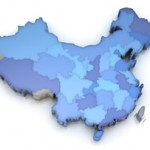
    China Provinces mapMany backpackers enjoy spontaneous travel, but it pays to be organized. Swotting up in advance will ensure you have plenty of hostel choices. Look to stay close to the attractions you want to see, as this will cut down on travel costs. Alternatively, make sure public transport is handy. Shop around to ensure you balance comfort, convenience, and cost.

  • China’s Best Temples – Historic Tourist Sites in Asia

    Don’t make The Great Wall and The Terracotta Museum the only historic stops on your Chinese vacation. The country’s beautiful temples also shouldn’t be missed. China has so many temples you’d be hard pressed to see them all, but the following sites should make any tourist’s itinerary.

    Lingyin Temple, or Temple of the Soul’s Retreat, in Hangzhou is the largest temple in China. This tranquil spot also houses one of the country’s largest statues of Sakyamuni, the founder of Buddhism, and a massive collection of Buddhist relics. Due to its size it can become very crowded during peak season, so be prepared to jostle your way through its many halls. Admission costs 30 yuan, or a little less than $5 US.

    Beijing’s Temple of Heaven is one of the Chinese capitals most recognizable sites, as its image appears in many of the city’s tourist brochures and postcards. Most folks admiring the architecture don’t realize that the buildings actually had a more important historic purpose. Ancient Ming and Qing emperors would come here to offer sacrifices and pray for plentiful harvests. The complex is three times the size of the famous Forbidden City, so you can easily spend a whole day here, especially if you’re spending a lot of time snapping photos of its magnificent architecture. Admission costs 35 yuan, or a little more than $5 US, although you can save money with a grounds-only ticket for 15 yuan. Personally I think this is a time where it pays to spend a bit extra for the experience.

    The Temple of Heaven, Beijing
    The Temple of Heaven, Beijing

    The Three Pagodas at Dali are the last remaining remnants of the former Chongsheng Temple. The tiered towers stand between Cangshan Mountain and Erhai Lake. They’re beautiful, but once you’ve seen them you’ll be quickly satisfied. At around 120 yuan, or $18, entrance to the site is comparatively expensive. A smarter option is to spend a couple of extra dollars and see the Three Pagodas as part of a walking tour of Dali.

    No doubt any Asian vacation will include much time spent taking in temples, but the historic buildings in China are still not to be missed.

    [Image Source: Fang Guo/Flickr]

  • Shop Up a Storm on Shanghai’s Fuxing Road

    The Chinese city of Shanghai is made for tourists who want to shop ’til they drop.

    Most of them will flock to the well-known shopping strips on Nanjing Road, Yuyuan Shopping City, and Huaihai Road. But you'll find more interesting souvenirs and save some money for the rest of your Shanghai trip if you take the path less traveled and explore the under-appreciated Fuxing Road. Start your shopping trip at the junction of Ulumuqi and Fuxing Roads, and travel west down Fuxing. That might seem daunting in a foreign speaking country, but Shanghai's street signs are translated into English, and they happily give compass directions as well! If you're unsure how to get there, simply hail a taxi and tell the driver you want to visit "Woo-loo-moo-chee loo, foo-shing loo." The word lu, which sounds like loo, is the Mandarin word for road. Make sure to leave at least two to three hours to explore the stores at your leisure. The last thing you want to do is rush down this beautiful leafy part of China! It's easy to miss your first stop, the Skylight Tibetan Gallery, as it's tucked away down a couple of steps from the road. Look out for the distinctive yellow building, which sells gorgeous Tibetan goods including handmade silver, coral, and turquoise jewelry and cotton apparel. You won't be able to bargain here but the prices are relatively affordable, particularly for the quality of the merchandise. Then cross the road to visit Shanghai Trio's workshop on Lane #37. Here you'll find traditional Chinese textiles including purses, duvet covers, and clothes. Again there's no bargaining, but older lines are often discounted. Everyone loves to take home a T-shirt from their travels, and Urban Tribe is a great place to find one. Travel a few minutes down Fuxing Road to find the store which features hand-dyed cotton tees alongside photos of Asian landscapes, unique silver jewelry, and quirky pottery. Recharge your batteries with a cup of Chinese tea in the garden at the store's rear.Global Travel Image Keep walking west on Fuxing Road to find SQ Décor. It's a small store with plenty of attitude known for its modern interpretations of traditional Chinese crafts. Think brightly colored porcelain, funky glassware, and even the Chinese ancestor painting printed on throw-pillow cases! Turn left and you'll come to your final destination, Le Passage Fuxing. This revamped art deco building is now home to a couple more shops and the café Ginger. Chowing down on its Chinese take on tapas is a great way to end a busy day of shopping!
  • See Shanghai on the Cheap – Budget Travel Tips for Chinese Tourist City

    With Shanghai’s luxury hotels and bustling shopping districts, it’s pretty easy to spend a small fortune staying in this popular Chinese city.

    But bargains can certainly be found in this busy Asian port if you know where to look. The first key to saving cash is choosing the right time of year to visit. It's a balancing act though. Accommodation is at its cheapest in winter, but the chilly temperatures and frequent rain can make visiting then unpleasant. Summer is the most expensive season to stay in Shanghai, but fall and spring provide the perfect balance between conditions and cost. Luxury hotels similar to those you'd find in Europe or the United States have recently become common in Shanghai, but these options are very pricey. You'll find more affordable rooms at university lodgings and on Nanjing Road. This is Shanghai's most famous shopping district though, so avoid the temptation to spend up on the nearby stores! Western style restaurants have filtered into Shanghai, but they're often expensive. Instead eat as the locals do. Fast food restaurants serving regional treats like scallion pancakes and rice dumplings represent good value, as do the eateries on Yunnan Lu Gourmet Street. The street's name makes it sound expensive, but with so many restaurants in direct competition the prices there are refreshingly reasonable. Also remember that like other Chinese cities, tipping is not expected in Shanghai.   Shanghai has an affordable public transport system, with extensive bus and subway systems all designed to affordable get you where you want to be. But why not save your yuan and walk? The city is one of the easiest to navigate on foot in China. By following these travel tips you should have a bit more yuan in your pocket than the average Shanghai tourist. With all that cash freed up, you might even be able to treat yourself to a meal of the city's famous hairy crab, or a little shopping spree!

  • Save Money in Beijing – Budget Travel Tips for Chinese Capital

    Beijing has long been regarded as one of the world’s most expensive vacation destinations, but the tide is turning.

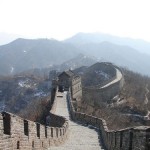
    When the city hosted the Olympic Games in 2008, a host of mid-priced accommodation options opened up to meet tourist demand. With the knowledge of these hotels in hands, and a little bit of local knowledge, a stay in the Chinese capital need not break the bank. The Hai Dian district is close to Beijing's university, so its accommodation is affordable for the youth that frequent the area. The Friendship Hotel and Xin Xing Hotel have all the leisure and business features you'd hope for at moderate rates. The Beijing Xin Ze Hotel is another affordable option that's both clean and conveniently located. Travelers will also not be disappointed staying in Dong Cheng, as historical sites are close at hand and the train station nearby. While there are some expensive accommodation options in this district, you'll save money staying at the hostels and hotels north of Tiananmen Square. The City Central International Youth Hostel is another great option for budget travelers who value location. Beijing's restaurants are not as expensive as in many Asian tourist areas, so don't be afraid to frequent them. In fact, choosing cheap food from Chinese street vendors could expose you to illness, so it often pays to indulge in well-cooked restaurant meals. Beijing's public transport system can be difficult for foreigners to navigate unless they're familiar with the language. To ensure you get where you want to go and back again, ask your hotel concierge to write your destination on the back of a business card. You can then simply present this to a taxi driver on your way out, and do the same on the return journey. You'll certainly want to travel to some of the historical sites near the capital, as they're amongst the world's best. No trip to China would be complete without seeing The Great Wall. The most convenient viewing area from Beijing in Badaling Pass, located about 55 miles away. It's a very touristy spot to see The Wall, but also a beautiful part of this monument. It's worth spending the money for a cable car ride, as it will save your legs and provide an excellent aerial photo opportunity. [caption id="attachment_2731" align="alignright" width="150" caption="The Great Wall of China"]The Great Wall of China photo[/caption] The Forbidden City is also not to be missed, so don’t stress about the small entrance fee. It's easily forgotten once you're inside the majestic palace. Commoners were not permitted to enter the grounds for five centuries, so consider yourself lucky to visit! Tiananmen Square may be one of Beijing's greatest free attractions. Once it was a place of protest and civil unrest, but today this paved park is brimming with life. Spend time watching Chinese children flying elaborate kites, and help them with their English if they approach you. This place is all about simple pleasures, so lap them up without spending a cent!

  • Chinese Treasures at Shanghai Museum – Free Display of Asian Artifacts

    The Shanghai Museum houses one of the most exciting and largest collections of artifacts in China, and best of all, entry is free.

    The museum is a wonderful place for tourists to immerse themselves in Chinese culture, thanks to the stunning displays of calligraphy, and porcelain, bronze, and jade artworks. It’s easy to spend at least half a day exploring all four floors of this treasure trove, although parents may find they have trouble keeping children interested for that long.

    While the building is stroller-friendly, it doesn't have the kid-friendly exhibitions we see in so many of the world's museum. If you have little ones, prepare for a few complaints. The audio tour costs a few yuan, but it's an investment worth making to get the most from your visit. The tour will highlight some of the most important artifacts on display and detail the background of these key pieces. While you're thinking about additional costs, traveling exhibitions often stop at the museum. These are also affordable at around 20 yuan, but don't feel pressured to see them, particularly if your time or budget is limited. The permanent collection is certainly vast enough to occupy frugal travelers. The Shanghai Museum is located at #201 Renmin Avenue in Shanghai, at the southern end of People's Square. You can take the subway to People's Square and follow the signs, or tell your taxi driver to take you to "Shanghai boh-oo-gwan." It opens daily between 9 am and 5 pm.

  • Tipping in Asia – Money Customs in Eastern Tourist Spots

    Tipping is a way of life for anyone living in North America or Europe. But in Asia the practice is less common, and the etiquette surrounding it can cause confusion.

    This guide will tell you what gratuities are expected in Asia's major tourist centers. Tipping is most common in Thailand, where it is expected in all establishments that don't apply a service charge to the bill. It's typical to tip 10% of your restaurant bill, but you may give 15% for outstanding service. There is no need to tip Bangkok street vendors, or staff at food halls and noodle huts. Massage therapists and salon employees are also generally given 10% of your treatment cost as a tip. Thais tend to round up their taxi fare, offering the odd amount of baht as a tip, although you may be more generous if the driver helps you with your bags. Porters should also be tipped; while there are no rules for this 20 baht per bag is a good guide. The Japanese consider the practice of tipping rude, so do not leave extra yen under any circumstances. Instead, reward good service by saying the appreciative phrase "gochisou sama deshita" with a smile. Tipping is also restricted in Singapore, so keep your change in your pocket. Most large hotels and restaurants will add a 10% service charge to your bill, but workers in other establishments and taxi drivers will refuse any extra payment.Keyboard with three money keys Tipping is not expected in China, Vietnam, Indonesia, Malaysia, and The Philippines, but workers in these countries will not be offended if you leave a gratuity. Employees of hotels and restaurants in large cities are used to international tourists leaving tips, but the practice may confuse workers in smaller establishments. Don't be surprised if they chase you to return your change! While the Western concept of tipping is not practiced in India, the country has a similar custom called baksheesh. This idea encourages wealthy people to give to those less fortunate. Hotel porters will expect some rupees for their service. Restaurant staff won't anticipate these kinds of kickbacks, but they'll certainly appreciate a gift of 5-10% of the total bill.

  • Important Indulgence in Beijing – What’s Worth the Splurge in China

    As with most of the world’s capital cities, it’s very easy to spend money in Beijing. But travelers should resist the urge to be too frugal in the Chinese capital.

    See also: China on a Budget. A little extravagance can be the best way to enjoy your Beijing vacation, and stay safe. Food and drink are two areas where it pays to splurge a little. Scrimping could compromise your health, so be careful when buying from street vendors. When in doubt, you can generally rely on restaurants. The safest meals are piping hot, as the cooking process kills any lingering bacteria. Raw vegetables and unbottled water should be avoided. Even bottled water should be approached with caution; if its seal is broken, its quality cannot be guaranteed. Beijing's hectic pace can also make public transport difficult to navigate, particularly for anyone who doesn't speak the language. Taxi drivers can get you where you want to go, and in most cases they'll charge a reasonable price. If you aren't fluent in Chinese, make sure you ask your concierge to write your destination in Chinese on the back of your hotel business card. You can reuse this card at the end of the day to return to your accommodation. [caption id="attachment_2731" align="alignright" width="150" caption="The Great Wall of China"]The Great Wall of China[/caption] And finally, don't be so stingy that you miss out on the world famous attractions on Beijing's doorstep. While you can see the Great Wall of China for free, it's worth spending money on the cable car in Badaling. It'll save your time and feet, and you can capture some breathtaking photos of the wall from the air. And don't let the small entry fee stop you from seeing The Forbidden City. The majesty of the palace, Imperial Garden, and Halls of Heavenly Purity and Supreme Harmony are worth more than the cost you'll pay to see them.

  • Capsule Hotels in Asia – Small Rooms for Less

    Most of us spend money on lavish hotel suites when all we really need is a soft place to sleep.

    Capsule hotels, which are springing up around Asia, help tourists save cash by only charging for the essentials. The busy Asian country of Japan opened its first capsule hotel, the Capsule Inn, in Osaka in 1979. However today, capsule hotels can now be found in other tourist hot spots including China, Malaysia, and other Asian countries. Typically each fiberglass capsule measures a minuscule two meter by one meter. That isn't a lot of space for living, but it should do for sleeping and soaking up the room's high-tech facilities. Capsules typically have a small bed and power for operating its television, light, and alarm clock. To meet the demand from busy Asian businessmen, rooms also tend to have wireless internet access. There's no space for bathroom facilities, but communal washrooms help travelers feel fresh. [caption id="attachment_4974" align="alignright" width="150" caption="A capsule hotel in Japan"]capsule hotel in Japan photo[/caption] Capsules are stacked side by side and one on top of the other, something like pet cages at a boarding kennel. Curtains or fiberglass doors help guests maintain their privacy, and luggage is stored in lockers to ensure it doesn't clutter the capsules. Given their tiny rooms, capsule hotels aren't the place for bunkering down with a family, or even a significant other. But if you're traveling solo and hoping to save cash, the affordability and novelty of these rooms can be appealing. Expect to pay between $10 and $25 US for a 10 hour stay, or a little more for a full day, far less than you will at a backpackers' hostel or other budget room.

    [Image Source: Lhoon/Flickr]