FrugalMonkey Discount Travel News

Tag: zoos

  • See Butterflies for Free at Bangkok Butterfly Garden and Insectarium

    There’s something magical about spending time with butterflies, and in Thailand you can do it for free at the Bangkok Butterfly Garden and Insectarium.

    The butterfly garden is an enclosed space, so at any one time more than 500 butterflies may be fluttering about your head. Some of the most spectacular varieties include the large Golden Birdwing, the delicate Siam Tree Nymph, and the Giant Silkworm Butterfly.

    It might seem a bit cruel to keep butterflies cooped up for their short lives, but this spot is so beautiful I hardly think the insects mind. The 1100 square meter enclosure is decorated with rockeries, flowers and ferns, and even a cascading waterfall for them to play in. The plants are labeled with their names in English, Thai, and Latin, so no one need miss out.butterfly
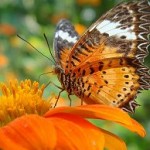
    You’ll learn plenty watching the butterflies at play, but an informative indoor display complements this. The exhibition charts the life cycle of the vibrantly colored insects and offers other interesting facts.

    You’ll find Bangkok Butterfly Garden and Insectarium inside Rot Fai Park, next to Thailand’s Chatuchak Markets. Catch the subway to Chatuchack Park, and it’s just a short walk down Kampaengphet IV Road. The sanctuary is open every day but Monday from 8:30 am to 4:30 pm.

    [Image Source: Honey-bee/Flickr]

  • Steve Irwin Lives On at Australia Zoo – Crocodile Hunter’s Queensland Wildlife Park

    Steve Irwin may be gone but his legacy lives on at Australia Zoo, a wildlife sanctuary at Beerwah on Queensland’s Sunshine Coast.

    The zoo is home to Irwin’s family – wife Terri and two children Bindi and Robert – and hundreds of happy animals.


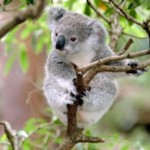
    As its name suggests the emphasis here is on Australian animals, but tourists will also find elephants, cheetahs, lemurs, otters, and a host of other precious creatures. It's the Aussie animals that will really excite foreign travelers though. International zoos have the odd kangaroo or koala, but none have the exhaustive collection you'll find at this local wildlife park. Most other zoos around the world don't allow guests to interact with these unusual creatures either. Visitors can walk through areas like Roo Heaven, an open-range enclosure with red and gray kangaroos, and the Kids Zoo with baby farm animals. There are additional opportunities to meet the critters with the daily animal encounters; you could walk with a wombat, get photographed with a koala, or feed an echidna. [caption id="attachment_786" align="alignright" width="150" caption="Australian Koala"]Australia zoo koala photo[/caption] The enclosures are luxuriously large, allowing the animals to roam freely about areas resembling their natural habitats. This seems so much more humane than the cages many older zoos use, but considering the Irwin family's conservation work this is no great surprise. While visiting make sure you plan to see a few shows. The Wildlife Warriors show in the Crocoseum is legendary, with appearances by giant snakes, trained birds, and of course those enormous crocodiles. With entry costing $49 for adults and $29 for children, a day out at Australia Zoo is a bit expensive. But with zoo admissions helping to fund the on-site wildlife hospital and preserve endangered species, at least you know your money is heading in the right direction.
  • Sleep At Sydney’s Taronga Zoo – Roar and Snore Experience for the Whole Family

    We’ve all spent time staring into an animal enclosure at the zoo, desperately trying to catch a glimpse of the creature the sign assures us is inside.


    But the sad truth is, many of these exotic animals are only active once the zoo closes its gates. If you want to see these critters at their best, why not pack your sleeping bags and enjoy a sleepover with a difference at Sydney's Taronga Zoo? The zoo's Roar and Snore evenings are led by fun and informative zoo keepers, who settle you into comfortable three-person tent accommodation before introducing you to the zoo's residents. You won't need to gaze at these animals from afar. The staff will let you get up close and personal with friendly animals including lizards, tortoises, wombats, and Australia's cute, cuddly koalas. They'll then lead you by torchlight on a zoo safari, where you'll see the rest of the zoo's inhabitants going about their business without the daytime crowds. Once you've worked up an appetite you will enjoy the tasty roast buffet dinner. [caption id="attachment_2951" align="alignright" width="150" caption="Australia's cutest resident, the koala"]a koala in australia[/caption] There's no better alarm clock than the squeaks, growls, and roars of hungry zoo animals keen to have breakfast. You'll watch them being fed, and meet a few more creatures before the day's visitors arrive. You're free to explore the zoo at your leisure then until the zoo closes for another day. Roar and Snore sleepovers run every Friday, Saturday, and Sunday night. Tickets start from $240 for adults and $185 for children, depending on the season. While this is expensive, the memories you'll make on this intimate zoo experience may be worth the splurge.

  • See Koalas in Australia – Best Zoos and Wildlife Parks to Meet Cutest Australians

    Australia is home to a host of weird and wonderful creatures, including the iconic kangaroo, the duck-billed platypus, and the spiky echidna.


    But few animals inspire such passion from tourists as the cute and cuddly koala.

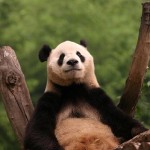
    They might look like real-life teddies, but koalas aren’t actually bears at all. Instead they are marsupials, just like kangaroos, wallabies, and Australian possums. While they live all along Australia’s east coast, from the tip of Queensland to the bottom of Victoria, few tourists will ever spot one in the wild. Koalas are nocturnal creatures, so they sleep high in the tree tops during the day and become active only after night falls. So the best way for tourists to see a koala is to visit one of Australia’s nature parks and zoos.

    The Koala Park Sanctuary in Sydney’s western suburbs was established in the 1920s to protect koalas from the lucrative fur trade of the time. While koalas are now protected, the park’s work is still vital to the survival of this endangered animal. The park’s rainforest, eucalyptus trees, and native gardens look to mimic the koalas natural habitats, allowing visitors to observe these creatures behaving as they would in the wild. Guests can cuddle, pat, and get their photo taken with the koalas at the park’s feeding sessions, which happen four times a day.

    a koala in australia
    Australia's cutest resident, the koala

    On the other side of Australia there’s the Cohunu Wildlife Park, located 40 minutes from Western Australia’s capital city, Perth. When the park opened in 1982 there were just four koalas. Today there are more than 25, and with an average of four joeys born each year the population continues to grow. Visitors can cuddle a koala and get a souvenir photo taken to show their friends. All proceeds from the photos go back into the park’s koala research program.

    While Steve Irwin was more famous for wrestling crocs than cuddling koalas, his Australian Zoo in Beerwah, Queensland has more than 20 of the cute creatures. With names like Chanel, Alexia, and Mishka, you can bet these are some pampered koalas! At the zoo’s daily koala show, visitors can learn all about the way these creatures live in the wild and the ones that make the zoo home.

  • Animals Great and Small at Auckland Zoo, New Zealand

    International favorites and local oddities are all on show at Auckland Zoo. This family tourist attraction is adjacent to Western Springs Reserve, a stone’s throw from Auckland’s central business district.

    New Zealand's national bird, the kiwi
    New Zealand's national bird, the kiwi

    The Pridelands, home to a pride of five lions, giraffes, and zebras, and the rare Sumatran tigers of Tiger Territory always draw a crowd. The zoo is also home to Burma, New Zealand’s only Asian elephant and an underwater viewing area for California sea lions and New Zealand fur seals. More New Zealand natives are found in the nocturnal house, including kiwis, tuatara lizards, and the Southern Boobook owl or morepork as it is commonly known. New Zealand’s Australian neighbors also have a place in the Aussie Walkabout, where visitors can walk through an enclosure with emus, wallabies, and kangaroos.


    Little ones can enjoy an animal encounter in the Kidzone, which features pigs, rabbits, goats, sheep, chickens, and many other farmyard friends.

    Auckland Zoo is active in conservation efforts in New Zealand and abroad. The zoo is particularly committed to captive breeding programs for the native kiwi and tuatara. The zoo is also active in educating school children about the environment and its animal kingdom. These efforts look to make the next generation more aware of the world around them.

    Auckland Zoo opens at 9:30 am every day but Christmas Day. Adult passes cost $19 while children, seniors, and students enjoy discount rates. Further discounts are available for families and social groups. Parking is available on site for drivers, who will find the zoo well signposted. The Explorer bus also travels from Auckland Museum every hour between 10:30 am and 3:30 pm each day.

  • See Giant Pandas at China’s Zoos and Wildlife Centers

    pandaThe giant panda is one of the world’s most beloved animals, and sadly one of the most endangered. No visit to China would be complete without observing one of these real-life teddy bears.

    It’s estimated that just 2500 giant pandas roam freely in China’s mountain forests today, their numbers severely depleted through habitat loss. While your chances of spotting one in the wild are slim, some of China’s many wildlife parks showcase their national animal.

    Beijing Zoo is home to Gu Gu, a notorious giant panda who’s made international headlines for his feisty temper. Pandas may be docile by nature, but Gu Gu doesn’t take kindly to trespassers. On three separate occasions, Gu Gu has attacked visitors who’ve climbed into his enclosure.

    The zoo is served by Line 4 of the Beijing Subway.

    The Chengdu Panda Base provides a more focused panda experience. This non-profit research and breeding facility is home to more than 50 giant pandas, red pandas, and other endangered Chinese animals. The centre allows visitors to observe pandas in an area resembling their natural habitat. It takes approximately three hours to walk around the park or an hour and a half by tour bus.

    The Shaanxi Rescue and Breeding Center of Rare Wildlife offers a more hands-on experience for those willing to spend the time, and cash. This center is located in a remote area, approximately two hours from Xi’an at the foothills of the Qinling Mountains. It is home to more than 10 giant pandas who have been rescued from the wild or poachers, born in captivity, or orphaned. The center encourages breeding and reintroduces the animals into the wild. Volunteers are placed at the center for between two and four weeks. The volunteer fee includes all activities, food, accommodation, and a charitable donation to the project. International volunteers help care for the pandas and teach the staff English.

    No matter where you see one, an encounter with a giant panda is one that visitors to China never forget.