Vanuatu’s tropical and subtropical climates guarantee the stretch of Polynesian islands always lives up to its reputation as an idyllic coastal paradise.
Tag: weather
-
Weather in Vanuatu – Tropical Climate and Conditions in Polynesia
However, tourists should be aware of the country's changing weather conditions throughout the year before planning to travel around Vanuatu. There is little climate variation between the seasons; whether it’s around 85 degrees Fahrenheit in summer or 65 degrees Fahrenheit in winter tourists will still be able to swim in the ocean or laze about on the sand. Showers rarely set in either, with rain typically lasting a day at most. However, if you want to avoid wet weather completely you’re best steering clear of Vanuatu between November and April. The famous Southeast Trade Winds bring sunny, warm days and cooler nights all year round. However, they can be more unpredictable during the wet season. A squall can blow up seemingly out of nowhere, so make sure you hold on to your hat! Bungalows have even been known to blow away in blustery weather, but tourists needn’t be too concerned. Resort staff are used to these kind of winds, and will build you another one before too long. Visiting outside the wet season is the best way to avoid any extreme conditions in Vanuatu, but if that's not possible the woolly weather shouldn't interrupt your stay too much.
-
When To Travel To China – Climate and Events For Planning Your Asian Trip
China is a diverse country which experiences a varied climate and a number of seasonal activities, so the decision of when to travel requires some careful planning.
The temperate seasons of fall and spring are the ideal time to travel. During these seasons weather tends to hover between 50 and 72 degrees Fahrenheit.
Rain is infrequent during fall, although you may experience some showers during spring. Spring temperatures may also fluctuate, so it’s worth packing coats and jackets for cooler weather. In summer conditions are hot and humid, with temperatures often rising above 72. To stay cool during this period avoid the areas known as the "four furnaces": Tianjin, Chongqing, Wuhan, and Nanchang. Summer showers are also common, so pack a light rain coat and fold-up umbrella in your suitcase. Winter weather can be very cold, especially in China's northern regions, so make sure you rug up if traveling then. The attractions you want to see are also worth considering before setting off to China. Visit in September if you plan to visit the Beijing Palace Museum. This is the only month when the valuable ancient paintings are displayed, as the Chinese fear they will depreciate in more humid conditions.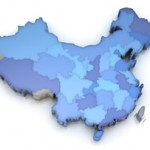 While winter in China is bitterly cold, some suggest it’s worth enduring for the Harbin Winter Ice Lantern Festival. This festival in the Heilongjiang Province is the country’s greatest celebration of ice artworks and sculpture. The month-long event is held every January.
There are many other festivals in China which celebrate all the country’s nationalities and cultural traditions. It’s worth researching which events interest you before setting off to China.
While winter in China is bitterly cold, some suggest it’s worth enduring for the Harbin Winter Ice Lantern Festival. This festival in the Heilongjiang Province is the country’s greatest celebration of ice artworks and sculpture. The month-long event is held every January.
There are many other festivals in China which celebrate all the country’s nationalities and cultural traditions. It’s worth researching which events interest you before setting off to China.
-
Samoan Travel Guide – When to Travel to Pacific Islands
Samoa is a tropical paradise, where life moves at a snail’s pace to please both the locals and tourists alike. Such a beautiful part of Oceania is a pleasure to visit at any time of year, but you may like to consider a few factors before you set off.
Most tourists travel to Samoa with dreams of clear blue skies and warm sunny days.
But if you visit during December or January, rainy weather may spoil your picture-perfect paradise. Between November and April, the humidity also makes it a little hard to enjoy that tropical heat. The weather is optimal between May and October, a time which happily coincides with most of the island's fun festivals. If big game fishing is your thing, you might like to travel during May to see the Samoa International Game Fishing Tournament. The rising of the palolo, which sees palolo worms rise from the coral reefs, happens in October or November. It might sound a bit disgusting, but these worms are eaten as a delicacy the way caviar is in the rest of the world. Even if you don't want to partake in the dish, watching their ascendancy is fascinating. But the biggest event in Samoa is the Teuila Festival, held every September. This is a spectacle of local culture, with fire knife dancing, choirs, float parades, traditional sports and more all adding to the fun. May to October is Samoa's dry period, and the peak of the Pacific Island's tourist season. Yet thankfully, most tourist operators don't raise their prices at this time of year. That makes some careful planning for the weather and activities sound even more enticing. -
Weather in Japan – The Best Times to Visit Asia
Japan experiences four distinct seasons, including very cold winters and hot and steamy summers.
Knowing what to expect at different points in the year will help you plan your Japanese getaway. Winter in Japan typically lasts between December and February. If it's skiing and other alpine sports you're after, traveling to Northern Japan or the Sea of Japan coast during these months is a must. To enjoy a milder winter consider staying in the south. With spring's arrival in March, Japan's weather begins to warm and the famous cherry blossoms begin to bloom. However, this is a slow and gradual process so you'll still need to carry some cold weather clothes when traveling from March to May. Light coats and sweaters can help you cope with cold snaps and chilly nights without taking up too much space in a suitcase. Note - ever consider a job in Japan teaching English? If so, check our partner site JobMonkey! Japan enjoys summer from June to August. The season typically starts with a month or so of rain, known as tsuyu, before the weather clears. To escape the dreary weather consider holidaying on the island of Hokkaido, the only place in Japan immune to the tsuyu. Once the rainy season is over Japan's summer weather is often not much more pleasant, with the temperatures soaring as high as the humidity. You'll find the most comfortable conditions in the mountains and Hokkaido.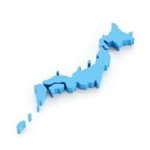 It's advisable to avoid Japan in September when typhoon season is at its peak. Wild weather along the coasts of Okinawa, Shikoku, and Kyushu can affect all of Japan. The good news is that once the typhoons clear, they leave perfect fall conditions. In October and November the weather is temperate, and the landscape is ablaze with the rich earthy colors of autumn. Just as you would in spring, it's advisable to bring light jackets and sweaters to wear on cooler fall days.