FrugalMonkey Discount Travel News

Tag: food

  • Asia’s Best Lunches – Affordable Local Traditional Dishes

    During a busy day sightseeing in Asia, lunch often tends to be an afterthought. Too many of us resort to Western-style junk food and overpriced meals at tourist attractions. They’re not just costly; they’re also unsatisfying. A much better option is to eat like the locals do and enjoy some of the Eastern continent’s best meals on the go.

    Singapore’s chili crab doesn’t sound like the best meal to eat on the run, but this Asian delicacy is not to be missed. The mud crab is cooked in a thick tomato chili sauce. This certainly gives the dish some heat, but the sweet crab meat ensures it’s not overpoweringly spicy. The sauce makes the dish a bit messy, but it’s so good that most tourists won’t mind a stained shirt. Crab is generally an expensive meat, but the competition between hawkers and kopi tiam at the East Coast Seafood Center keeps the prices reasonable.

    While in Vietnam make sure you try the country’s famous noodle soup, pho. The rice noodles are traditionally served in a broth with beef or chicken, and a variety of traditional Asian vegetables and spices. Most Vietnamese restaurants serve pho, but you’ll save money buying it from street vendors or market stalls.

    Japan’s bento boxes have come a long way over the last century, with the original lacquered lunch boxes giving way to more modern, disposable versions. The philosophy remains the same though, with each one containing an organized meal of rice, meat or seafood, and vegetables. You’ll find this balanced and affordable Japanese lunch at the country’s convenience stores, bento outlets, and train stations.

    Pho noodle soup
    Pho noodle soup

    And finally in Bali they have padang, a traditional curry sold at local market stalls. You’ll find a variety of padang in Bali, from classics like beef and tapioca leaves to the more adventurous fish head variety. Each one is served wrapped up in a banana leaf to help you eat it on the run.

    So next time you’re thinking of settling for a burger and fries in Asia, why not be a bit more adventurous and sample some of the local cuisine? Your stomach and wallet will thank you!

    [Image Source: Rob Sinclair/Flickr]

  • Designing a Custom Culinary Tour on a Budget

    There are lots of travel companies out there that charge big bucks for “customized” culinary or wine tours of a specific region.

    A consummate foodie who usually travels on a budget, I frequently drool over the descriptions of these tours while simultaneously starting woefully at my bank account balance. While many of these culinary tours are wonderful experiences, they are, without a doubt, hard on the budget. One day it dawned on me that, with a little planning and foresight, I could plan my own culinary trip. In this post, I give you some tips for designing your own culinary tour on a budget. Besides the obvious financial benefits of designing your own tour, you can truly customize the experience because, well, you’re the tour guide.
    • Choose a destination with a rich culinary culture. This may seem like an obvious piece of advice, but it’s important that you do a bit of preliminary research on various places to determine whether or not the culinary or wine culture is rich and varied enough to base an entire trip on. Of course, places like New York, France, Italy or Napa Valley jump to mind, but there are loads of other options. For example, Spain’s Basque region is home to unique culinary traditions, and many places throughout the U.S. (such as Minneapolis) have become havens for chef-owned restaurants. So, you don’t necessarily need to stray that far from home (which can be easier on the budget).
    • Determine your priorities. What do you want to experience? Are you most interested in where food/wine comes from (the agricultural aspects)? Perhaps you’d like to visit some farms or vineyards. Is restaurant dining your passion? Then you’ll most likely want to spend most of your time eating out. Is cooking your passion? You should concentrate on identifying opportunities for meeting chefs or taking a cooking class or two. Do you like to shop and prepare your own food while traveling? Then you’ll no doubt be visiting local specialty food shops and markets.
    • Ask like-minded travelers to share in the adventure. Culinary travel is more fun (and more budget-friendly) when you can share the experience with a travel partner or a group. Ask some of your fellow foodies to come along with you. Some of the more obvious benefits include being able to share appetizers and a variety of dishes at restaurants (being able to try a lot of different things without breaking the bank) and having someone who can help you remember the name of that delicious wine you tried during your vineyard tour. [caption id="attachment_5444" align="alignright" width="300" caption="Touring a vineyard and attending a wine tasting can be a fun, educational part of a custom culinary tour on a budget."]Travel to Chablis photo[/caption]
    • Research opportunities at your location based on your foodie priorities. Now that you’ve established your priorities, the real research begins. Search for farms or vineyards that offer tastings and private tours. Scour the Internet for restaurant reviews, locations and menus. Identify chefs you’d like to meet (if possible) or cooking schools in the area. Find out what types of specialty food shops or outdoor markets are at your destination. I think it’s helpful to organize this information in an Excel file or some other document. Make note of the opening hours of restaurants and markets and contact information for all of the places you’re interested in visiting.
    • Make reservations far in advance. It’s best to secure reservations for restaurants, tours and classes as far in advance as you possibly can, especially for popular destinations.
    • Be ready to roll with the punches. In addition to bringing your appetite you should also bring patience and a sense of humor. As with any trip, the best laid plans don’t necessarily guarantee 100% success. However, if you look at mishaps/miscommunications as opportunities instead of disappointments, you’ll get a lot more out of the experience. If a restaurant loses your lunch reservations, just think of it as a great excuse to try some of the excellent street food the area is known for.

  • 8 Tips for Frugal Travel

    Even if you have set a budget ahead of time, it is easy to end up spending way more money than you would have ever imagined on your vacation, especially if you’re traveling abroad.


    Here are some tried and true frugal travel tips to help you enjoy your next trip without breaking the bank. Be realistic with local currency. As soon as you exchange your money, it’s easy to feel like you have a stack of monopoly money in your hands. In addition to reminding aware that you are spending actual money, be sure to come up with a quick way to calculate the exchange rate into your currency (for example, if the exchange rate is 1.345, round that up to 1.5 and multiply every purchase by time and a half). On a related note, before you leave, research what kind of fees your bank or credit card charge for getting cash out of foreign ATMs or for foreign purchases and plan accordingly. Travel with friends. Traveling with friends (or another couple) is a great way to cut down on lodging and other costs. Sharing a large discounted vacation rental (condo or house) with a group of friends can end up being much cheaper than booking a hotel room alone. If you’re your rental has cooking facilities, all of you can go grocery shopping at the beginning of the trip and cook at the house most (or all) nights instead of spending money in a restaurant. And remember, it can be much more fun to travel with another couple or a group of friends! Book a hotel with a continental breakfast (or at least a coffee machine in the room). Most hotels that offer continental breakfasts are not more expensive than their counterparts (i.e. other two-star hotels) that do not. If you have a coffee machine in your room but there is no continental breakfast, scope out the surrounding areas for options. Not having to pay for breakfast and coffee for you and your tribe can really help stretch your dollar (or allow you to spend more on meals out). For meals and shopping, avoid “touristy” areas. Many local businesses prey on tourists’ impulses and, sadly, their confusion by hiking up prices and positioning themselves next to main tourist sites or area. So, even though that crêpe or mini Eiffel Tower may look great, resist the temptation to hand over your euros on the spot. Instead, head to a less touristy area to eat and/or shop there. Not only will it be less expensive, the products and experience will be much more authentic. Remember, picnic lunches are also an inexpensive (and fun) alternative to eating lunch in a restaurant each day. Read out post about eating cheaply in Paris. [caption id="attachment_4411" align="alignright" width="225" caption="Using public transportation is a great way spend less money while traveling."][/caption] Rethink the value of souvenirs. How many times have you purchased an expensive souvenir on a trip and got it home only to think “what I am going to do with this?” That’s the funny thing about being on vacation, we see things we think we “need” to buy that we would never even consider purchasing if we saw it back home. Truth is, many souvenirs are either very expensive (not a great value) or useless (or both). Instead take home local canned goods like jellies or jams, teas and coffees. Each time you enjoy your “souvenir,” it will bring back memories of your trip (and you are sure to use it). Start thinking of your photos and your travel journal as your souvenirs. Chances are, these are the things that will be most meaningful to you years after your trip. Also, don’t feel like everyone at the office or every member of your family needs a “remembrance” of your trip to another country. They’ll be happy just seeing your pictures and hearing your stories. Carry a water bottle and light snacks. Having sustenance on you at all times will help you avoid buying expensive snacks and sodas because your blood sugar is low and you are “desperate.” For health reasons, it’s good to stay hydrated while you’re traveling, especially if you’re doing a lot of walking. Know your cell phone plan. I know many friends who have accrued some major charged on their cell phone bills as a result of making calls or texting from abroad. To avoid these unexpected expenses, read through your cell phone contract or contact your carrier before hopping on the plane so that you understand what the financial implications of calling or texting from abroad will be. Use public transportation as much as possible. Be sure to research the public transportation options in the place you’ll be staying, including reduced rate multi-day/week travel cards. If you know about and feel comfortable with your public transportation options from day one, you’ll feel less tempted to take a cab everywhere you need to go.

  • Whitianga Celebrates Scallops at Annual Food and Wine Festival

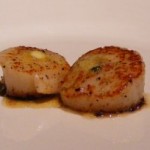
    Scallops are a New Zealand delicacy, and nowhere are these delicious mollusks more celebrated than Whitianga.

    The small coastal town on the Coromandel Peninsula hosts a Scallop Festival every August. The winter weather puts a chill in the air, but for five days in late August thousands brave the cold to enjoy the annual seafood and wine festivities. A whopping 35, 000 scallops are gobbled up during the festival. They’re crumbed in macadamia nuts, served on seaweed, smothered in a blend of coconut cream and Midori, wrapped up in bacon, and of course eaten as they come, straight from the shell. If scallops aren't to your tastes, that's no reason to stay away. There are plenty of other local gourmet goodies on offer including seafood chowder, venison burgers, wild pork, and the country's famous sauvignon blancs. Saturday is the liveliest day of the festival, with scallop tasting, seafood auctions, and chef competitions. Live jazz and the hilarious Ode to the Scallop poetry slam contest are also popular.scallops Whitianga is located two hours east of Auckland. This year's event runs from August 25 to 29. Go Kiwi Shuttles runs buses from Auckland, Rotorua, Whangamata, and Tauranga to Whitianga, while 360 Discovery ferries leave Auckland every Friday night for Coromandel Harbour. The Free Scallop bus travels around Whitianga during the festival to take visitors to and from the event. Festival passes cost $50 for adults, $10 for teenagers, and $5 for small children.

    [Image Source: Robin/Flickr]

  • Dangerous Dishes in Asia – Deadly Foods for Brave Travelers

    Forget the fried rice and dim sum in Hong Kong. If you really want to live on the edge while visiting Asia, you’ll need to try some of the continent’s deadly dishes.

    Deadly may be overstating the point a little, but the following meals definitely have an element of danger that entices thrill seeking diners! Fugu, or puffer fish as it is commonly known, is a potentially deadly Japanese delicacy. The seafood contains tetrodotoxin, a poison which is almost 100 times more poisonous than cyanide! If it’s prepared well it'll contain just enough poison to numb your lips and tickle your nerves. If prepared incorrectly, you'll be paralyzed and die from heart failure or asphyxiation within hours. It sounds like a bit of a gamble, but so long as you dine in a restaurant licensed to sell the dish you should escape unscathed! [caption id="attachment_3627" align="alignright" width="150" caption="A puffer fish"]A puffer fish[/caption] Foodies in China willingly risk hepatitis, typhoid, and dysentery for a taste of blood clams. The danger comes from the bacteria the clams harbor which often survives the boiling process. Sadly there's no safe way to go about trying the treats as they're banned in the country, although you can buy them on the black market. If you're brave prepare to pay exorbitant prices and risk serious illness! The South Korean delicacy of sannakji is the tamest dish on this list, but it's certainly not for the faint hearted. It's actually raw baby octopus served up still squirming about on your plate! Seafood doesn't come much fresher than that! The danger comes from the octopus' suction caps, which can latch onto your mouth or throat and cause choking. Make sure you take small bites and chew each one thoroughly to minimize the risks.

    [Image Source: Cliff1066/Flickr]

  • Vegemite, Kangaroo, and Other Far Out Australian Foods

    The thought of chowing down on Vegemite, and kangaroo might turn your stomach, but when visiting Australia consider sampling these local delicacies and many more.

    At nearly 90 years old, Vegemite is an Australian institution.

    22 million jars of the thick brown spread are sold in Australia each year, but it’s often feared by foreign tourists. The key to enjoying Vegemite is to use it sparingly. Its intense, salty flavor can be overwhelming, but a thin layer on toast or crackers can taste delicious. Some restaurants also use the spread in their marinades and sauces. It complements most meats well, so don’t be scared to try some! Meat pies are another icon which has been eaten in Australia since the 1800s. They’re perfect for warming you up during a football match in winter, or for a quick meal on the run. A meat pie is made from a mix of beef mince and gravy enclosed in a flaky pastry casing. They’re traditionally served smothered in ketchup, or tomato sauce as the locals call it. Harry’s Café de Wheels has made the humble meat pie big business, but you will be able to find a meat pie at any Aussie bakery or gas station.australia travel highlight Australia is one of the few countries in the world that happily munches upon its iconic animals. Kangaroo, emu, and crocodile, commonly make their way on to restaurant menus around the country. Kangaroo is particularly popular as it's so high in protein and low in fat. With just one calorie per gram, it’s a great option for diet-conscious tourists! As it's so lean, kangaroo is best served rare as you would venison. Its flavor is somewhat like beef, although it’s a bit earthier. Surprisingly emu has a similar, beefy taste to kangaroo. It's also a nutritious choice with plenty of protein and few calories. Crocodile tastes somewhere between chicken and turkey. This white meat is similar in texture to pork, and when cooked right will be very tender. It’s also low in cholesterol, so great for those watching their weight. Australia has all of the dining options you'd find in any Western country, but where's the fun in that? Make sure you dare to be different and sample some of these unique foods during your stay Down Under.

  • Traditional Hangi, a Pacific Underground Feast

    A hangi is a traditional meal enjoyed in the island nations of New Zealand and the South Pacific. In Samoa it is called umu, and in Fiji it’s known as lovo.

    Hangi refers both to the food eaten, the method it is cooked, and the underground oven it’s cooked in.

    At a hangi, different meats and vegetables are wrapped in leaves or aluminum foil, then placed in a pit lined with hot stones. The parcels are covered with wet cloths and earth to trap the heat inside. The dishes then steam for several hours until the vegetables are flavorsome and the meats are fall-apart tender. Chicken, beef, fish, and kumera are traditional dishes served at a hangi. Today pork, lamb, potatoes, and pumpkin are also often prepared this way. The unconventional cooking method imbues the food with a delicious earthy, smoky flavor. The decision to cook food underground may seem unusual to Westerners, but it makes sense when understanding that the native Islanders believe that the earth gives all life. As all life comes from soil, it seems right to return that life-giving food to the earth. A hangi is a communal experience, where food is shared freely amongst old friends and new ones. Traditionally a hangi was reserved for special occasions where a village came together to celebrate. All members of the family would assist in the feast, with the men preparing the underground oven and the women tending to the food. [caption id="attachment_3379" align="alignright" width="150" caption="A Maori warrior"]A Maori warrior[/caption] Today many hotels and cultural villages in tourist towns regularly serve hangi feasts. These allow visitors to experience the country's culture, and are often accompanied by traditional music and dancing. Tourists can enjoy a hangi meal at many locations throughout New Zealand and the South Pacific including Tamaki Maori Village in the New Zealand city of Rotorua, Lalati Resort in Fiji, and Princess Tui Inn (NOTE: Fire destroyed the building in late 2010) in the Samoan beachside town of Apia.

    [Image Source: Geoftheref/Flickr]

  • Dining in India – More Than Curries in Spicy Asian Nation

    On arriving for your India vacation, you quickly learn that there’s more to this Asian nation’s cuisine than curry.

    Not that the Indians don’t do a mean curry. Traditionally it includes a combination of meat, poultry, fish, or vegetables, various seasonings and spices, and stir-fried Masala. Masala is a traditional Indian blend of onion, ginger, garlic, and tomatoes.

    Traditional Indian curry spices
    Traditional Indian curry spices

    But the food of India is much more diverse than this fiery dish. Each region offers its own traditional cuisine and time-honored methods of preparation. The Mughlai cuisine found in the north of the country is markedly different to the dishes you’ll see in the south. In Kashmir the Wazwan style multi-course meals are luxurious, as is the fish dish Macher Jhol found in Bengal and the soupy Dal Bati in Rajasthan.

    The strong flavors Indian cuisine is renowned for come from the country’s use of spices, seasonings, grains, fruits, leafy vegetables, and legumes. Indian recipes have been passed through the generations, and many of their ingredients were originally chosen for their medicinal properties.

    Traditional ingredients turmeric, cloves, and cardamom pods have strong antiseptic qualities, while ginger and carminative aid digestion. Indian cuisine has a reputation for being spicy, but that's just the start of the story. In actual fact, Indian food can also be categorized as sweet, salty, bitter, sour, and astringent. A well-balanced Indian meal strives to incorporate all six tastes so as not to overwhelm the palate. It does this with traditional side dishes and condiments, including chutneys, daals, and Indian pickles. Indian cuisine may seem daunting to foreign tourists, but it is an adventure to be embraced on your journey to the Asian nation.