It can safely be said that using public transportation (subway, buses, trains, etc.) is cheaper than taking a cab in any city in the world. See: Cab Fare Calculator
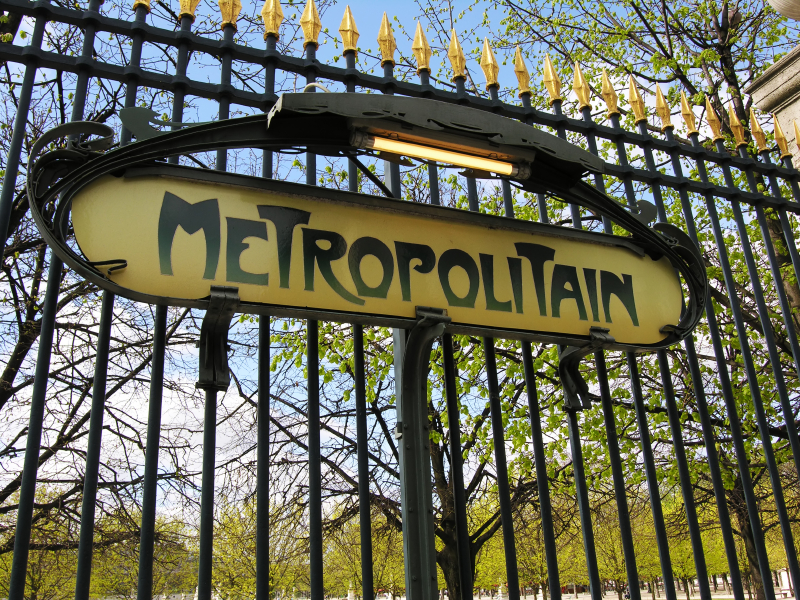 [/caption]
Especially if you are traveling alone, never choose an empty car on a subway or train (this could make you especially vulnerable to pickpockets. On empty buses, sit in an aisle seat near the driver. Avoid using dim or empty entrances to subway stations or bus terminals at night. If possible, use only busy, illuminated stations.
Stand back from the curb while waiting for a bus and maintain a safe distance from the track when waiting for subways and trains. Most subways have a shrill siren or tone that sounds right before the subway car doors close. Be mindful of this, but also be aware that this usually sounds for at least 10 seconds.
General navigation tips:
There are paper maps of public transportation systems available at most tourist centers and public transportation systems. Most subway cars and buses have small maps on the walls as well as “line maps” that just show the line you are on (so that you can verify that you are going the right direction and see when your stop will come up.
Many of Europe’s subway systems are color-coded (each line is represented by a different color). Use these colors to guide you as you plan your trajectory (the colors will help when transferring lines at various stations). Numbers and names are also used to label lines. One the front of most subway cars and buses will be the name of the last stop. Use this to make sure you are going in the right direction.
In any metro system, there are several stations that are bigger than others and accommodate transfers to several different lines. Typically, the lines and directions are well marked on the walls to help you navigate as you walk through the station.
General money-saving tips:
If you are only going to be in a city for one or a few days, consider buying a pack of one-way transportation tickets or a day pass if it is offered. Day passes allow for unlimited travel (usually on both subways and buses) and can save you quite a bit of money if you plan on spending all day out and about.
If you are staying for longer than a week, consider buying a transportation card (in Paris this is called a Carte Orange, in Berlin it’s a Willkommen in Berlin Card). These cards will provide you with unlimited travel for the week you are there and, like the day pass, will allow you to save quite a bit of money.
Some words of caution: Quite a few European cities (like Paris) have multi-zone subway systems. Different types of tickets are needed for each zone. Make sure you know what zones you will be traveling in and make sure that you purchase the correct tickets. Subway company employees will hop on the cars from time to time to verify passenger tickets. If you do not have the correct one, be prepared to pay a fine.
Throughout your travels, you’re sure to see locals who have figured out ways to avoid paying for their public transportation by stealing tickets or jumping the turn-styles. Though this may look like a good idea, I highly discourage it. I can’t tell you how many times I’ve seen clumsy Americans try to clear a turn-style, only to fall flat on their faces and be caught by the fine-giving subway employees. Best to play it safe, especially when you’re far from home.
 Papua New Guinea’s mosquitoes generally prove to be more of a problem for travelers than bandits. While their bites and buzzing can be an annoyance, there is a more serious side to mosquitoes as they can spread malaria and Dengue fever. Cover yourself in insect repellent to minimize the chance of bites and illness.
Papua New Guinea has its fair share of land and sea nasties. Its home to a handful of dangerous snakes, including the death adder and taipan, although these reptiles will not attack unless provoked. Be careful when walking in areas with limited visibility, such as long grass or leaf covered ground, as you may startle these dangerous creatures. If you are bitten apply a compression bandage and stay still until medical help arrive. Major medical centers are well stocked with antivenins to deal with these emergencies.
It’s common to encounter leeches when hiking through Papua New Guinea's jungle areas. While they are generally not dangerous, they can cause bleeding when removed. Insect repellent can help to ward them off, while insecticide can aid in their removal.
Crocodile attacks are uncommon, but you should heed local warnings to ensure you don't become one of the rare victims. Jellyfishes should also be avoided when swimming, as their stings can be painful. Sea snakes and poisonous cone shells are also common in coral reefs, so keep your eyes peeled on diving expeditions.
All of these dangers can seem overwhelming, but by exercising caution travelers can stay safe and enjoy their Papua New Guinea vacation.
 [/caption]
Do not let the risk of a shark attack stop you from enjoying Australia's beautiful beaches. Most major beaches have shark nets installed to prevent swimmers from coming face to face with these ocean predators. By sticking to patrolled areas, and obeying instructions from the lifeguards, you are likely to stay safe.
Crocodiles are also not a threat in most parts of Australia. While salties and freshwater crocs are common in the Northern Territory and the northernmost tip of Queensland, they do not live in Australia's most common tourist areas. Crocodile habitats in these locations are often signposted, but when in doubt tourists should resist the urge for a dip. Public beaches and waterholes are the best places to cool off up north.
As a rule, Australia's animals should be admired from a safe distance. While some spiders, snakes, and other creatures are not dangerous it’s best to err on the side of caution. Attacks and injuries from Australia’s native wildlife are rare. However, if you are in trouble call the emergency services number 000 from any phone immediately.