FrugalMonkey Discount Travel News

Tag: festivals

  • Guide to China’s Festival – A Year of Fun in the East

    China certainly knows how to throw a party. Most times of the year you’ll find the locals celebrating one of their many annual festivals. The country’s cities regularly explode in a rainbow of colors and sounds, and the locals love it when tourists join in the fun. That’s perfect for frugal travelers, as most of the entertainment is free or close to it! In this article, we reveal the ways this Asian travel hub celebrates.

    China’s festival calendar kicks off in late January or early February with its most important celebration, Chinese New Year. While the festival technically runs for 15 days from the eve of Chinese New Year, the festivities are concentrated in the first two days of the event. At this time parades fill the city streets and fireworks light up the night skies. Families feast on pigs, chicken, ducks, and sweet treats. As it’s based on the lunar calendar dates vary, but in 2013 Chinese New Year falls on January 23.

    You’re not left waiting too long for more fun; the Spring Lantern Festival begins on the final day of Chinese New Year celebrations. Cities string up brightly colored lanterns to commemorate the changing of the season, and children make paper versions to parade down the streets. It’s also known as Chinese Valentine’s Day, but as the event is so family-focused most lovebirds don’t get much time for romance!

    In early April it’s time for the Ching Ming Festival, a sombre but beautiful event that pays tribute to relatives passed. Chinese people generally don’t visit cemeteries, so it’s quite an occasion when the festival rolls around. Families sweep their ancestral graves clean and leave offerings for the dearly departed, including food, burning incense and joss sticks.

    Later in April, or in early May depending on the lunar calendar, the Chinese pay tribute to the protector of fishermen on Tin Hau’s birthday. Streamers and pennants decorate hundreds of boats in China’s harbors. They make their way to the country’s Tin Hau temples and pray to the goddess of the sea for lucky catches in the coming year. It’s quite a sight to see these brightly embellished vessels making their journey!

    May’s Cheung Chau Bun Festival is one of the country’s most unusual. Cheung Chau is only a small island, but thousands visit every year for the festivities. The event began during the late Qing dynasty, when locals prayed to the god Pak Tai and created statues of deities to rid their city of a plague. It seemed to work, and the locals have repeated the rituals ever since! How the festival’s highlight, a scramble to the top of a tall tower of buns, came to be though, we might never know!

    With an estimated 80% of Chinese people practicing Buddhism, it’s unsurprising that Buddha’s birthday is also honored. It’s not the country’s most colorful festival; little happens beyond the annual bathing of the Buddha statues at China’s temples. But it is a national public holiday!

    The energy level picks up in June when the country hosts its annual Dragon Boat Festival. Elaborately decorated dragon boats go head to head over three intense days of competition. Spectators cheer the rowers on from the shore, typically with a beer in hand!

    In August, China celebrates the Hungry Ghost Festival, a spookier version of the Western Halloween. The Chinese believe restless ghosts roam the earth during the seventh month of the lunar calendar. They do their best to placate the spirits by leaving food for them, burning Hell Bank Notes and paper iPhones, and performing traditional operas.

    In September it’s time for the Mid-Autumn festival, celebrations that are second in scale only to Chinese New Year. As well as a chance to pay homage to the new season, it also commemorates the time when China overthrew its Mongolian dictators. Lanterns decorate the cities and brightly colored dragons dance down the streets. Make sure you try the moon cakes, a special pastry filled with salted duck eggs. Tourists don’t always know what to make of them, but they’re a Chinese favorite!

    A traditional lion dancer at Chinese New Year celebrations
    A traditional lion dancer at Chinese New Year celebrations

    The Cheung Yeung Festival in October rounds out China’s annual celebrations. It’s dubbed the hiking holiday after a folk story about an old man saved from death by hiking to higher ground. Join the locals trekking China’s hills to burn offerings in his honor.

    No matter when you visit China, it’s the right time to have fun at one of its famous festivals.

  • Full Moon Parties at Haad Rin Beach, Thailand

    Haad Rin Beach is known as Thailand’s party capital, a coastal stretch in Koh Pha Ngan that lets its hair down every month at its infamous full moon parties.

    Attendance at a full moon party is considered a rite of passage for young travelers passing through Thailand. You’ll wear day-glo clothes and dance to the throbbing techno beats blasted by local DJs until well past dawn. Various bars set up along the beach to ply their wares, and almost everyone overindulges. Prepare for crowds; during peak season it’s not uncommon to see tens of thousands of revelers on the beach.

    When you get so many intoxicated party goers together there are a few basic safety precautions you should follow. Remember to wear shoes, ideally covered ones, as the sand becomes very littered as the event wears on. Also keep only the bare essentials, including the cash you’ll need and your hotel room key, on your person. Your passport, credit card, and plane tickets home will be much safer in your room.

    And while this is a party, remember to steer well clear of illegal drugs. Thailand’s drugs penalties are some of the harshest in the world, and possession can be punishable by a lengthy jail sentence. It’s simply not worth the risk.

    With a full moon party scheduled every 28 days, to coincide with the moon’s natural cycle, it’s easy to fit one in to your Thai vacation. Haad Rin Beach is at the southern tip of Koh Pha Ngan, a budget travel spot just north of the popular resort area of Koh Samui.

    The popularity of the monthly event makes it easy to find transport. Overnight trains and buses run from most major Thai cities to Surat Thani, and then it’s just a matter of catching a connecting ferry to the beach. If you’ve got a bit more cash to spare you could fly to Koh Samui from Bangkok, Chiang Mai, or Phuket, and then take a boat out to Koh Pha Ngan.

    Revelers at Thailand's Full Moon Party
    Revelers at Thailand's Full Moon Party
    Make sure you plan your accommodation early though. Koh Pha Ngan becomes a hive of activity near the party. The closer you’re planning to stay to Haad Rin, the sooner you’ll need to book your hotel. Don’t be afraid to stay a little further afield though. Regular transport from neighboring Thai beaches, and even Koh Samui, will make sure you get to the party.

  • Celebrate Songkran – Thailand’s Wet New Year Festival

    The revelry of New Year’s Eve may be far behind the Western world, but now Thailand’s gearing up for its annual celebrations..

    The Thai New Year is known as Songkran, and it's celebrated every year from April 13 to April 15 with plenty of free fun. Songkran is often called the Water Festival, so you'd best come prepared for a dousing. The Thai people believe that water will cleanse them of bad luck, so they spend the three days getting wet and wild in preparation for a successful New Year! It's not just the people that get washed down at Songkran. Other rituals look to purify Thailand for the New Year, from cleaning houses to washing down statues of Buddha. Young Thais also show their respect for their elders by uttering blessings and cleansing their hands with scented water. This practice is thought to banish negative thoughts and actions. The first day of Songkran is called Wan Sungkharn Long. On this day the Thai people offer alms and food to the monks at their local Buddhist temple before returning home to clean their houses. On the following day, called Wan Nao, the Thais return to the temples. They build small pagodas from sand called chedis and clean the temple's sacred objects with water. And finally there is Wan Payawan, when the fun really begins! .[caption id="attachment_5450" align="alignright" width="150" caption="Wet fun in Thailand's streets at Songkran"]Wet fun in Thailand's streets at Songkran[/caption] Unless you want to be soaked to the skin, you'd best stay indoors on the final day of Songkran. The Thai people wander the streets looking for dry souls to saturate with ice-cold buckets of water and the spray of water pistols. Remember that this is all in fun, and even if you would prefer to stay dry you should accept the pranks in the spirit they were intended Songkran is a time for family, so many Thais leave the cities to return to the provinces they grew up in. This leaves major tourist areas, including the capital city of Bangkok, much quieter than usual. If you like to avoid crowds, this is the time to see the big cities. However remember that as Songkran is an official Thai holiday, its government institutions including banks and post offices are closed for the festival's entirety. Plan ahead and you'll have a great time during Songkran, no matter where you're enjoying it.

    [Image Source: Wyndham Hollis/Flickr]

  • Celebrate the Holi Festival in India

    India is gearing up for the Holi Festival, a carefree two-day event which celebrates the triumph of good over evil, and looks forward to a successful springtime harvest ahead. It is celebrated on the day following March’s full moon. In 2011 the event will be held on Sunday, March 20 in most parts of India, although East Indian towns including West Bengal celebrate a day early.

    The Holi festival was first conceived when the demoness Holika was burned to death. This allowed the Indian people to devote themselves to the holy Hindu god, Lord Vishnu. The ritual is remembered at modern celebrations with large bonfires.

    It’s not hard to see why the Holi Festival is often called the Festival of Colors. Colored powder and water is thrown about, leaving Indian cities and their people looking like a rainbow. This practice pays homage to Lord Krishna, a reincarnation of Lord Vishnu who would mischievously throw water and colors at local girls. It’s great fun if you don’t mind being messy and soaked through! Just remember to wear old clothes, as the colors often refuse to budge. Rubbing coconut oil onto your hair and skin can also prevent the dyes absorbing.

    A paste made from cannabis called bhang is also traditionally enjoyed during the Holi festival. The drug is mixed in drinks and used as an ingredient in pakoras and vadas. Just be careful, as bhang is very intoxicating!

    You’ll find Holi Festival events in most tourist cities in India, although some locations celebrate more enthusiastically than others. Celebrations are traditional and quite subdued in Mathura and Vrindavan, but loud and proud in Delhi. Culturally rich revelry in the towns of Shantiniketan and Purulia in West Bengal are a real spectacle, and in Jaipur the event is run alongside an elephant festival!

    Painted girls at India's Holi Festival
    Painted girls at India's Holi Festival

    Most events during Holi are free, so celebrating along with the locals is a great way for frugal travelers to spend their time. Just remember to be on your guard if you’re a single woman. While most Indians are friendly and relaxed during festival time, the combination of alcohol and bhang can make some men dangerous. Traveling with a group of friends, ideally including some men, can help women stay safe in India during Holi Festival time.

    [Image Source: Chris Willis/Flickr]

  • Rock and Roll Party at Parkes’ Elvis Festival

    It’s a long way from Graceland, but during the second week of January the small Australian town of Parkes honors the King of Rock and Roll at the Elvis Festival.

    You’ll find Parkes in the heart of New South Wales, 365 kilometers from the state’s capital city, Sydney.

    Around 11, 000 people live there, but during the five-day Elvis Festival the town literally doubles in size. Highlights of the event include the Elvis Gospel Church Service, the crowning of Miss Priscilla, the Elvis Street Parade, and of course the performances of hundreds of Elvis impersonators. Couples renew their wedding vows in a public ceremony presided over by the King himself, and aspiring singers cover classic rock and roll tunes in the Elvis Idol competition. Given the festival's popularity, it's unsurprising that Parkes' hotels, motels, and caravan parks quickly reach their capacity. It's advisable to book your accommodation early to avoid missing out. Alternatively you might like to stay in one of the neighboring towns, rough it in Tent City, or bunker down with a local. Houses in the Festival Home Hosting program are all inspected for cleanliness and privacy, and participating is a great way to make new friends. [caption id="attachment_4776" align="alignright" width="150" caption="Elvis Presley"]Elvis Presley[/caption] The best way to get to the festival is to take the CountryLink Elvis Express from Sydney. This is no ordinary train. Elvis impersonators entertain the passengers as they make their way to the festival. A ticket on the train also includes a shuttle bus pass, which allows you to get around Parkes during your stay. If you'd prefer a quicker trip, catch the Rex Airlines' Priscilla Plane.

  • Celebrate Winter at China’s Harbin International Ice and Snow Festival

    The winter chills have well and truly set in, and China is preparing to celebrate.

    From January 5 the city of Harbin, in the country's northern province of Heilongjiang, will come alive for the Harbin International Ice and Snow Festival. The month-long event is a Chinese institution, which was established in 1963 and, after years of interruption due to the Cultural Revolution, resurrected as an annual event in 1985. It celebrates all that's fun about winter, from competitive speed skating and winter swimming in the Songhua River to less physical pursuits like snow and ice sculpting and ice lantern park tours. The snow and ice sculptures are one of the festival's major draw cards, and they impress crowds on sheer size alone. A snow sculpture may be as large as two football fields, and there are few things as awe-inspiring as walking through a castle made entirely of ice. The chilly monuments are lit up with lights and computer-controlled LEDs which cast rainbows on the ice and snow. Competition is fierce, with experienced sculptors traveling from around the world to participate. [caption id="attachment_4764" align="alignright" width="150" caption="Ice sculptures at the Harbin International Ice and Snow Festival "]Ice sculptures at the Harbin International Ice and Snow Festival [/caption] Heilongjiang's capital is a natural site for the festivities, as it gets the harsh, cold winds from Siberia. In winter the temperature is an average of -16.8°C, but it can be as cold as -38°C if you’re unlucky! But don't let the freezing Chinese winter climate dampen your enthusiasm. The Harbin International Ice and Snow Festival is one of the largest winter festivals in the world, and there's a lot of fun to be had if you can brave the cold! To visit the Harbin International Ice and Snow Festival, take a two-hour flight from Beijing to Taiping International Airport. Then catch a bus from the airport to the festival sites, which are located about an hour away.
    [Image Source: LiYan/Wikipedia Commons]

  • Whitianga Celebrates Scallops at Annual Food and Wine Festival

    Scallops are a New Zealand delicacy, and nowhere are these delicious mollusks more celebrated than Whitianga.

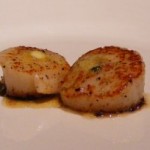
    The small coastal town on the Coromandel Peninsula hosts a Scallop Festival every August. The winter weather puts a chill in the air, but for five days in late August thousands brave the cold to enjoy the annual seafood and wine festivities. A whopping 35, 000 scallops are gobbled up during the festival. They’re crumbed in macadamia nuts, served on seaweed, smothered in a blend of coconut cream and Midori, wrapped up in bacon, and of course eaten as they come, straight from the shell. If scallops aren't to your tastes, that's no reason to stay away. There are plenty of other local gourmet goodies on offer including seafood chowder, venison burgers, wild pork, and the country's famous sauvignon blancs. Saturday is the liveliest day of the festival, with scallop tasting, seafood auctions, and chef competitions. Live jazz and the hilarious Ode to the Scallop poetry slam contest are also popular.scallops Whitianga is located two hours east of Auckland. This year's event runs from August 25 to 29. Go Kiwi Shuttles runs buses from Auckland, Rotorua, Whangamata, and Tauranga to Whitianga, while 360 Discovery ferries leave Auckland every Friday night for Coromandel Harbour. The Free Scallop bus travels around Whitianga during the festival to take visitors to and from the event. Festival passes cost $50 for adults, $10 for teenagers, and $5 for small children.

    [Image Source: Robin/Flickr]