FrugalMonkey Discount Travel News

Tag: europe

  • Study Another Language in Europe

    Contrary to popular belief, you don’t have to be a college student to be able to study a language abroad. There are many short and long term programs designed for adults looking for personal enrichment and intellectual stimulation. Some of these programs even offer scholarships, so it’s worth it to inquire to see if you might qualify for one of these. Here is an overview of the benefits of studying a foreign language as well as some options for programs around the world.

    Benefits of Foreign Language Study

    The benefits of foreign language study are great.  Not only are languages enjoyable to learn, but they can also enhance your life in many ways, both personal and professional. The best part is that, unlike many other hobbies, language learning can be a lifelong pursuit.

    Benefits While Traveling

    For travelers, knowing a foreign language is priceless. Not only will it assist you during your travels in countries where the language you know is the principal language spoken, you’ll also be surprised at how frequently you’ll use your second language in other countries as well. Common European languages like Spanish and French tend to be the most useful in terms of travel, but learning any language is beneficial.

    Keep in mind that even limited knowledge of other languages can help travelers understand local cultures better than those who don’t speak the language at all. Being able to speak and understand the local language will also help you make connections with people and perhaps develop lifelong relationships.

    There are many opportunities to learn a European language in an immersion context.

    Intellectual Benefits

    Did you know that learning another language can increase your understanding of your first language? Bilingual individuals tend to understand grammar and linguistic nuances better than monolinguals. In addition, people who speak another language have access to intellectual concepts that can better (or only) be understood by those who speak the target language. Scholars agree that there’s nothing better than reading literature and philosophy in the language in which it was originally written.

    Health Benefits

    Learning another language is a good way to exercise your brain, your body’s most important muscle. Studies have shown that individuals who learn another language are less likely to develop Alzheimer’s, dementia and other brain diseases. Moreover, learning another language stimulates the mind and improves memory and cognitive skills.

    Professional Benefits

    It’s no secret that the world is becoming more and more globalized. This phenomenon has increased he need for individuals who can communicate in a variety of languages. Of course, translators and interpreters are always needed, but so are professionals who are simply proficient in another language.

    In some fields, languages have even become a requirement for job seekers. At the very least, being proficient in another language gives professionals a competitive advantage in many fields such as medicine, government, business, education (teaching abroad) and media.

    In a general way, foreign language skills allow professionals to communicate with a wider and more diverse group of people and provide for more mobility and an increase in professional opportunities in other countries.

    Learning Another Language

    As any language educator will tell you, one of the best ways to learn another language is to immerse oneself in the country (and culture) where the language is spoken. There are many European language programs that offer either short or long-term language learning programs. Many of these courses are designed for working professionals who take their vacation or professional development time to participate in a language-learning program abroad. It is important to research a variety of programs to find the right one for you based on your timeframe, budget and language-learning goals.  Below is a resource list to get you started.

    Resource List

    http://www.studyeurope.org

    http://www.europa-pages.com/france/index.html

    http://www.languagesabroad.co.uk/about_us.html

    http://www.learn-languages-abroad.co.uk/

    http://www.esl-schools.org/en/language-summer-camps-europe.htm

    http://www.tandem-schools.com/

  • Planning a Bike Trip Across Europe

    Transportation costs (whether you’re traveling by plane, train or automobile) can eat up a large portion of one’s travel budget. A great way to save on transportation while in Europe is to consider a bike trip. The options are endless (depending on where you want to go and your level of fitness) as are the rewards (experience the beauty of Europe close-up, regular exercise means you can eat even more regional specialties, you have more control over your schedule). Here are some things to consider when planning a bike trip in Europe.

    • Itinerary: For ease and peace of mind, it’s best to plan your general itinerary first. Think about your priorities (certain countries, landmarks, etc. that you want to see), logistics (how far you want to travel, for how long, etc.). Be realistic about your fitness level and how many kilometers you are willing to bike in a day. Consider the landscape(s) you will be traversing (are they hilly or flat, smooth terrain or rough, etc.). It may be a good idea to “pad” your itinerary with extra days, just in case you experience fatigue. Also, consider the general climate of the region you’ll be traveling in during the season/time frame of your trip. As a general rule, stick closer to the Mediterranean if you want sunny skies. Once you have identified these general elements, then it’s time to do some research. Most countries in Europe are “cyclist-friendly,” but it’s a good idea to do research online to make sure your plan is feasible. Now might be a good time to invest in some maps or a GPS system (on your smartphone or tablet, perhaps) to help you chart your course.
    • Supplementary transportation: Of course, as soon as you get to Europe you can hop on your bike, but you have to get there in the first place. Consider how you will get there (plane, boat, etc.) and if you will need to take public transportation or trains to get you everywhere you want to go. Do you need to book tickets/reservations? If so, it’s best to do that as far in advance as you can. The good news is that bikes are relatively easy to bring on public transportation (including trains) in Europe. Also, since bikes are a daily part of European culture, you won’t get any strange looks when you board your train with a bike in tow. For longer train rides, some rail companies will require you to pay an extra fee for your bike. Make sure you check this out before you board the train.
    • Lodging: Many people I know who have biked across Europe bring camping gear as well. Camping is, of course, inexpensive and relatively easy. If camping does not appeal to you, research hotels, hostels, or alternative lodging options in the region you’ll be visiting. Review your itinerary and figure out where/when you need to book accommodations. Depending on the season, you may be able to “wing it” a bit and find lodging as you go. However, if you plan on traveling during the high tourist season, it’s best to book accommodations in advance. Be sure to carefully record all of your lodging information (as well as phone numbers for other lodging options in the area) and bring it with you in case you fall behind on your itinerary and need to cancel reservations/change your plans.
    • Gear: Generally speaking, you have two choices when it comes to gear: Bring it with you (pros: you know your own gear better than rental gear, it may be cheaper; cons: lost baggage, extra airline fees) or rent/purchase gear on-site (pros: allows you to travel lighter and avoid extra airline fees; cons: can be more expensive, you won’t really know the quality of the gear until you pick it up in Europe. Needless to say, it’s important to have a good bike (with a comfortable seat), anything less is sure to drain the enjoyment from your trip. Do some research on your options for renting/purchasing gear in Europe. Make sure you know exactly what you are getting.
    • Extras: As you pack for your biking adventure, keep in mind that you will be spending the majority of your time outside, on a bike. Pack light, comfortable clothing, rain gear, sunscreen and good biking shoes. Think through the logistics of each day and pack accordingly.
    Happy cycling!

  • Making the Most of Your European Hostel Experience

    There’s no quicker way to eat up your European vacation budget than by booking an expensive hotel.

    Luckily, there are plenty of inexpensive alternative lodging options in Europe, the most popular of which are the many hostels found in most major (and some smaller) European cities. “Hostel culture” varies from city to city and establishment to establishment, but most hostels offer sparse, comfortable accommodations (and sometimes even a continental breakfast thrown in) for reduced rates. After all, why should you spend the big bucks on a deluxe hotel room if you will be out and about sightseeing most of the time anyways? Here are some guidelines for finding and booking hostels, as well as making the most of your European hostel experience.
    • Start your search early. As is the case with reasonably priced hotels, hostels fill up quickly, especially during the high tourist season. Although I do have a lot of friends who “hostel it on the fly” (booking accommodations a day in advance as they go), I would suggest reserving a bed in advance to give yourself some peace of mind. Helpful websites for finding hostels in Europe include: www.europeanhostels.comwww.hosteleurope.com, www.hostels.com and www.famoushostels.com.
    • Read reviews, ask around. Before booking your hostel, try to find reviews of it online (the sites mentioned above have reviews for most of their listings). Even better, ask if any of your friends have stayed in hostels in your destination city and ask them for recommendations. There are some hostels that look great on line, but are unsanitary or unsafe in reality. It’s best to avoid this unpleasant experience by doing your research ahead of time. [caption id="attachment_5344" align="alignright" width="300" caption="Staying in a hostel is a great way to save money and meet other frugal travelers."]Europe hostel photo[/caption]
    • Find out the specifics regarding the accommodations. Each hostel is a little different, so it’s important to know exactly what you’re getting yourself into before you commit. Most hostels offer individual rooms with shared bathrooms (located in the hallway), double rooms, quad rooms or “dorms” that sleep 8 or more. Of course, the fewer people to a room, the more expensive the rates are, but sometimes it’s worth it for the guaranteed privacy. Some hostels provide linens (sheets, towels, etc.) and some don’t, so it’s a good idea to ask (especially if  you’ll be traveling from afar and don’t want to or can’t bring your own linens with you. It’s important to understand exactly what you’ll be getting for the price.
    • Find out about the area surrounding the hostel. As is to be expected, most hostels aren’t located in the “swanky” parts of the city. Do a little research on the area in which the hostel is located to make sure that you will feel safe when you’re walking to and from the hostel at night. This is especially important if traveling alone.
    • Enjoy the hostel culture. Hostel “dwellers” are a diverse group, and most are excited to share their travel knowledge if asked. If you’ve just arrived, strike up a conversation with a friendly looking traveler and ask him or her about his or her experience in the city. You’re sure to learn a lot and perhaps even make some friends who will make your trip even more enjoyable. Some hostels have bars or cafeteria-style restaurants attached to them. Hang out in these public places to meet new people and enjoy the hostel culture.
    • When you get home, review the hostel online. Throw fellow travelers a bone and review your hostel experience online. Remember to be honest and include the good, bad and the ugly.

  • Tips for Making the Most of Public Transportation in Europe

    It can safely be said that using public transportation (subway, buses, trains, etc.) is cheaper than taking a cab in any city in the world. See: Cab Fare Calculator

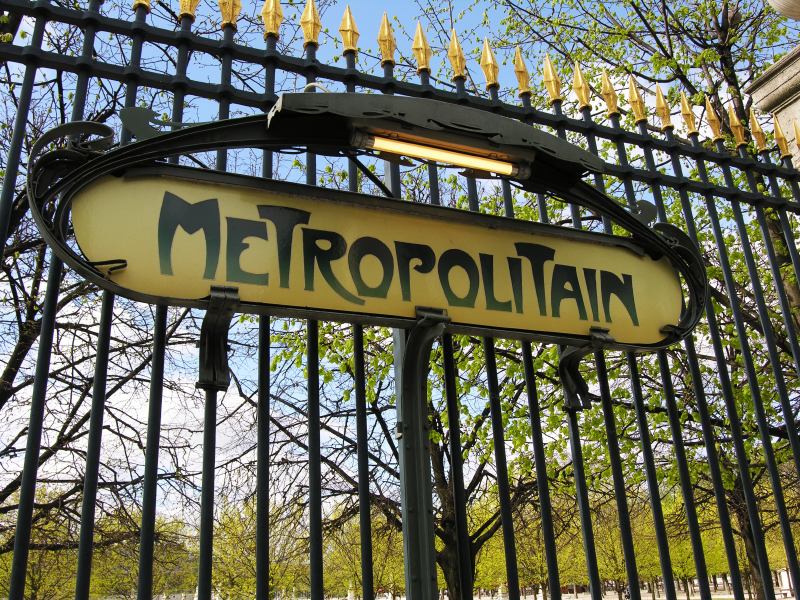
    However, many frugal travelers become confused or intimidated by public transportation systems for a variety of reasons including navigation skills and language barriers or end up spending too much money on public transportation tickets because they are unaware of other more cost-effective options. Here are some tips for making the most out of your public transportation experience as you travel through European cities. General safety tips: While using public transportation in Europe,  remain aware of pickpockets and petty thieves. They tend to prey on confused tourists in bus/subway/train terminals or at taxi stops. Along these lines, avoid carrying a wallet in an easily accessible pocket and use a purse or bag that you can hold close to yourself both when waiting for public transportation and while riding on it. Make sure that your hands are free by carrying as little luggage as possible while using public transportation. Do your best not to allow yourself to be jostled by people in crowded stations. [caption id="attachment_4953" align="alignright" width="300" caption="Paris' metro is inexpensive to use and easy to navigate once you get the hang of it. "]paris metro photo[/caption] Especially if you are traveling alone, never choose an empty car on a subway or train (this could make you especially vulnerable to pickpockets. On empty buses, sit in an aisle seat near the driver. Avoid using dim or empty entrances to subway stations or bus terminals at night. If possible, use only busy, illuminated stations. Stand back from the curb while waiting for a bus and maintain a safe distance from the track when waiting for subways and trains. Most subways have a shrill siren or tone that sounds right before the subway car doors close. Be mindful of this, but also be aware that this usually sounds for at least 10 seconds. General navigation tips: There are paper maps of public transportation systems available at most tourist centers and public transportation systems. Most subway cars and buses have small maps on the walls as well as “line maps” that just show the line you are on (so that you can verify that you are going the right direction and see when your stop will come up. Many of Europe’s subway systems are color-coded (each line is represented by a different color). Use these colors to guide you as you plan your trajectory (the colors will help when transferring lines at various stations). Numbers and names are also used to label lines. One the front of most subway cars and buses will be the name of the last stop. Use this to make sure you are going in the right direction. In any metro system, there are several stations that are bigger than others and accommodate  transfers to several different lines. Typically, the lines and directions are well marked on the walls to help you navigate as you walk through the station. General money-saving tips: If you are only going to be in a city for one or a few days, consider buying a pack of one-way transportation tickets or a day pass if it is offered. Day passes allow for unlimited travel  (usually on both subways and buses) and can save you quite a bit of money if you plan on spending all day out and about. If you are staying for longer than a week, consider buying a transportation card (in Paris this is called a Carte Orange, in Berlin it’s a Willkommen in Berlin Card). These cards will provide you with unlimited travel for the week you are there and, like the day pass, will allow you to save quite a bit of money. Some words of caution: Quite a few European cities (like Paris) have multi-zone subway systems. Different types of tickets are needed for each zone. Make sure you know what zones you will be traveling in and make sure that you purchase the correct tickets.  Subway company employees will hop on the cars from time to time to verify passenger tickets. If you do not have the correct one, be prepared to pay a fine. Throughout your travels, you’re sure to see locals who have figured out ways to avoid paying for their public transportation by stealing tickets or jumping the turn-styles. Though this may look like a good idea, I highly discourage it. I can’t tell you how many times I’ve seen clumsy Americans try to clear a turn-style, only to fall flat on their faces and be caught by the fine-giving subway employees. Best to play it safe, especially when you’re far from home.

  • Travel The World With FrugalMonkey’s Country Guides

    Check out our country guides and travel advice made perfect for vacation planning.

    If you’re trying to visit Greece, go on a Mexican getaway, take a cruise to Alaska, plan a last minute second honeymoon to Australia or even a trip to South America, then check out FrugalMonkey’s country profiles.

    FrugalMonkey’s travel guides have up to date and current information on some of the worlds most popular travel destinations.


    With full country profiles that include information on the history of the country, travel advice for the region, popular sights, country facts and insider information, it provides you with all pertinent travel information in one easy to find place. It also provides tips on how to find cheap airfare, where to look when booking last minute vacations in addition to providing advice on Euro Rail passes, volunteer work and working abroad. If there is something you need to know about international travel, FrugalMonkey is the place to look.

    Country Profiles are helpful when researching travel plans because it helps you gain a sense of the type of vacation you are likely to find when traveling. For example, our guide on Hawaiian travel provides information on Hawaii interisland flights, activities you will enjoy in Hawaii, where to stay, information on the different islands, hotels, reports on tourism in Hawaii as well as cruises that are available.

    If you want to travel to South Africa, our profile will show you exactly where to find South Africa’s different wine regions and explains how each of those regions differ in the varieties that grow there. Scuba diving, shark cage diving, whale watching, golfing, travel throughout the country and African safaris are among some of the more in depth information you will find on our country profile for South Africa as well. Not to mention the best hotels and day trips from Cape Town or Johannesburg.

    Alaskan travel is at its peak in the summer months and is an enormous tourist destination for hoards of travelers each year. We offer links to Alaskan summer jobs, excursions, whitewater rafting, camping, sights, lodging at the different Alaskan cities and flight information into Alaska.


    FrugalMonkey is a premier resource when it comes to Alaskan travel and work opportunities in Alaska. Yet we offer a wealth of information on our other country profiles, including but not limited to: Greece, Argentina, Mexico and Australia. If there’s anywhere in the world you’re eager to see – we’ve got the information to help you plan that vacation accordingly.

    What is so great about being able to access information about each of these countries is that in addition to relevant travel data about the region we also offer information, tips and advice on booking trips to those places at the last minute. We also have information on where students can find flight discounts, purchase Euro Rail passes, get travel gear and so more! Additionally after finding information on where you want to go, you can then book your flight after only just a few clicks from our site. FrugalMonkey wants you to be able to find the cheapest and best travel for your budget, but doesn’t want you to miss out on the vacation of a lifetime. Your flight to Australia, beach trip to Mexico or scuba diving excursion in Hawaii is only just a click away when you research vacations on FrugalMonkey.

  • One of The Best Flight Discounts To Europe Ever

    For only $251 each way, you almost can’t afford to miss this amazing deal!

    If those travel auction websites haven’t found you the deal you’re looking for on your trip to Europe – then look no further. Aer Lingus, one of Ireland’s premier airlines, is now offering amazing discounts on flights coming out of New York and Boston. If you can manage a flight out of JFK or BOS airports, Aer Lingus will fly you to any number of popular European destinations for only $251 each way.

    If you don’t mind passing through Ireland (as all these flights inevitably fly into Ireland first) you could be on your way to Paris, Madrid, Rome, London, Barcelona or Amsterdam for this one extraordinarily low price. Keep in mind that these deals won’t last long, so booking your trip sooner rather than later, is advised. Additionally, taxes on these flights will be more from April 1 – June 15. But only on the upwards of $70 or so.


  • Flight Deals To Europe

    European travel is popular because of the wealth of countries and cultures within such close proximity to one another. Additionally, the use of the Euro among many European countries and the ease of traveling within Europe because of the Euro Rail, means Europe is a traveler’s backyard just waiting to be explored. Flight deals right now to Europe are at extreme lows. By utilizing travel auction sites and low oil prices you can find largely discounted flights from all over the world into nearly any European city. Another way to find flight deals into Europe is by calling airlines and asking them directly about flight discounts or packages they are offering. Many people don’t think of airlines as a good place to go, but often times they can offer you help on booking the cheapest flight possible into Europe. By planning your trip right, you could be traveling the Greek Islands or visiting castles in Germany. Don’t let the idea of an expensive flight deter you from seeing some of the most beautiful countries in the world. After all, now you know flying can be cheaper than you previously thought. Enjoy your European vacation, from FRUGALMONKEY!