FrugalMonkey Discount Travel News

Category: Trip Locations

  • Swim with Whales in Tonga – South Pacific Adventure with Gentle Giants of the Sea

    Many coastal tourist destinations around the world invite visitors to swim with seals and dolphins, but you’ll need to travel to Tonga if you hope to swim with whales.

    The South Pacific nation is known as The Friendly Islands, and its humpback whales are just as genial as the natives. More than 160 of the marine mammals return to Tonga's calm waters each year to mate. They stay there until their babies are born, nursing them in the warm Pacific waters before returning to polar oceans. WhaleSwim is Tonga's premiere whale experience company. Owner Rae Gill was inspired to create the business after meeting her first humpback whale off the coast of the Dominican Republic. Along with a team of conservationists, a marine biologist, and wildlife photographers, she leads three, four, seven and nine-day snorkeling tours. This crew of ecotourism experts ensures the expeditions are run with whale conservation in mind. During the tours you'll learn a lot about the humpback whales, both from the guides and from your own up-close interaction with them. You'll hear their famous songs through a hydrophone on the tour boat, and take home video footage of your time on the tour as a souvenir. This is the kind of footage you'll want to show your friends! [caption id="attachment_3007" align="alignright" width="150" caption="The magnificent humpack whale"]The magnificent humpack whale[/caption] The tours are a little expensive, with the short three-day option costing $600 AUS. However, with expeditions restricted to a maximum of 12 people, and five on the photography expeditions, you are guaranteed to receive a quality experience. This price also includes airport transfers, all meals and accommodation at the Hilltop Hotel and Blue Lagoon Resort. WhaleSwim Adventures conducts tours between late July and the middle of October.

  • Unspoiled Paradise of Nine Village Valley, China

    In this world of global tourism, there are very few unspoiled areas. One spot that can boast such a title is Jiuzhaigou Valley, or Nine Village Valley as it is commonly called.

    This picturesque alpine location lies in the Sichuan province, around 450 kilometers from the capital, Chengdu. Its English name comes from the nine traditional Tibetan villages scattered throughout its 240 square kilometers. The local villagers live in harmony with the land's thick forest, 114 sparkling lakes, bubbling springs, and waterfalls. Agriculture and private vehicles are forbidden in the spot, which is protected as a World Heritage site. As you might imagine, the Nine Village Valley is a haven for native wildlife. It's home to giant pandas, white-lipped deer, golden monkeys, and around 140 kinds of birds. There are also many beautiful species of rhododendrons and panda's favorite treats, bamboo. The area is steeped in mythology. One story suggests that a mountain deity gave a goddess a mirror as a token of his affection for her. When the devil appeared to her she dropped the mirror, and the shattered pieces became the area's many lakes. Skeptics suggest the lakes and waterfalls were instead formed by earthquakes and landslides, but the first explanation is much more romantic! [caption id="attachment_3011" align="alignright" width="150" caption="The colors of fall at Nine Village Valley, China"]The colors of fall at Nine Village Valley, China[/caption] As agriculture is forbidden, villagers rely on tourism and government subsidies to live. Guests are encouraged to spend $3 on a photo of the locals in their traditional dress. While Nine Village Valley is beautiful all year round, autumn is perhaps the best season to visit. Snow lingers on the mountain tops, but the red, orange, and yellow tones of fall are everywhere. As personal vehicles are prohibited, tourists take the bus from Chengdu along the Minjiang River canyon. The journey generally takes 10 hours, although rock and mudslides in bad weather can add hours to the trip. It sounds daunting, but the unspoiled beauty of this area makes the long journey worthwhile.

  • Managing Money in India – The Rupee and What It Buys You

    A visit to another country often means adjusting to another currency. In India, that currency is the rupee.

    One rupee is equivalent to around two US cents. A rupee is divided into 100 paise, although paise coins are becoming scarce. Most Indian tourist towns and cities have automatic teller machines linked to international networks. Cards are also accepted at many Indian stores, upmarket restaurants, hotels, and train stations. However, as power outages are frequent and machines are often out of order, visitors should always carry a back-up such as cash or travelers' checks. This is also important if traveling off the beaten track, as small towns are unlikely to have ATMs or currency trading facilities. Indian banks including Citibank, ICICI, HSBC, HDFC, the Punjab National Bank, and the State Bank of India also accept foreign cards and major currencies such as US dollars, UK pounds, and euros. Charges for international transactions can be high, but often the favorable bank exchange rate cancels this out.rupees Making larger transactions less frequently can help to keep the price down. Tourists should carry their passport at all times, as they will need to present it to change currency or travelers' checks. Unlike many countries, it's uncommon to pay a fee for exchanging currency. When changing money, tourists should check each note carefully. Dirty, ripped, or disintegrating notes are common, and may not be accepted as legal tender. If tourists do get saddled with these defective notes they should exchange them for new ones at Reserve Bank of India branches. Many shopkeepers and service workers do not have a lot of change, so it's worth carrying a supply of small currency. Rs 10, 20, and 50 notes are useful, so take some of these smaller notes when changing currency. India is a country which caters for all budgets. While luxury accommodation and fine dining restaurants will please rich travelers, those on a budget won't feel like they're missing out too much.
    Prepare to pay more for services in India's largest cities, including Mumbai and Delhi. Entry to local attractions can cost more for international tourists, who may also pay a surcharge to use their still and video cameras. Dining is very affordable, with a meal at a basic restaurant costing as little as Rs40. Street vendors charge even less than that for their hearty cuisine. A splurge at a gourmet eatery might cost between Rs150 and Rs350, which is still significantly less than it would in Europe or the United States. Transport is also cheap, from hiring a car and a driver to get about the city to catching a plane from one end of the country to the other. Tourists are not permitted to take rupees out of India, although this is rarely enforced. To be on the safe side, travelers can convert their rupees to another foreign currency at the airport before leaving India.

  • From Rice Barges to Luxury Lodgings – Thailand’s Imperial Boat House

    The Imperial Boat House isn’t just one of the most unique hotels in Thailand.

    It's actually one of the most unusual in Asia. This five-star resort, located in tropical Koh Samui, gets its name from the old rice barges which have been converted into private two-storey bungalows. The boats are now moored on land, but water isn't far away. Guests have just meters to walk to the Choeng Mon beach. Each suite is lavishly appointed with a living room, dining area, sky-lit bathroom, luxury bedroom, and a sunbathing deck for soaking up the region's famous rays. The Imperial Boat House also offers more traditional rooms in a three-storey building near the gardens. These are a little smaller than the maritime themed rooms, yet still luxuriously furnished. The private balconies allow guests to enjoy the garden and seaside views. find lodging in new zealandSports lovers are well catered for at the resort. Guests can take a dip in the pirate boat-shaped pool (complete with cannon style water jets!) on site, or enjoy sailing, canoeing, snorkeling, and windsurfing in the bay. Land activities include table tennis, volleyball, and fun in the games room. Trips to the neighboring islands can also be arranged at the travel desk. When you need to wind down, soak in the jacuzzi, sweat it out in the spa, or indulge in a gourmet meal at the beachfront restaurant. The kitsch nature of the Imperial Boat House may turn off serious travelers, but it's worth a look for those who enjoy their luxury served with a side order of humor.

  • The Majesty of the Eighth Wonder of the World, New Zealand’s Milford Sound

    The peaks of Milford Sound, New Zealand
    The peaks of Milford Sound, New Zealand

    So gorgeous is New Zealand’s Milford Sound that British writer Rudyard Kipling once called it the “eighth wonder of the world.” The dark brooding waters, rocky cliffs, and lush forests of this photogenic area inspire around half a million tourists to visit this spot on New Zealand’s South Island every year.

    Milford Sound is the crown of Fiordland National Park. A cruise with an operator such as Scenic Pacific or Real Journeys is one of the best ways to see the region. During a day trip, or a longer overnight journey, guests can see the area’s marine animals, including seals and dolphins, and awe-inspiring natural features.

    Mitre Peak is particularly imposing, rising 1692 meters skyward, and the cascading waterfalls are stunning after showers. With Milford Sound receiving seven meters of rain on average each year, these falls rarely disappoint! The cost of many tours includes coach transfers to the cruise wharf. However the region is also accessible on foot via Milford Track, and it's a short drive from Te Anau. Many tourists use this lakeside area as a base for their Milford Sound journey, as the township of Milford has few facilities for travelers. Most tourists visit Milford Sound during the summer months of January and February, so if you prefer to avoid the crowds consider traveling once the weather cools. Just remember to pack a warm, waterproof jacket if you do!

  • Visit Jeju-do, South Korea’s Island Paradise

    Arriving at the South Korean island of Jeju-do, tourists could be forgiven for thinking they’ve stepped onto another country entirely.


    The palm trees and volcanic landscape remind visitors of being in Hawaii. The sandy beaches look as if they belong in a Mediterranean travel brochure, while the festivals and circus shows are as close to Disneyland as you’ll find in these parts.

    While most international travelers explore energetic Seoul, historic Gyeongju, and the seaside port of Busan, the Koreans themselves head to Jeju-do when they’re looking for a little rest and relaxation.

    The island delivers, with a dozen beaches and lush golfing greens. If you’d prefer a little more activity, make sure you hike around Jeju-do’s famous volcanoes. Hallasan is the highest summit in all of South Korea, standing 1950 meters tall. Ilchulbong in the east is a stunning volcanic crater, while the island of Udo off the coast has incredible black lava cliffs. Scuba diving is also popular, with the area boasting colorful coral reefs and the warmest sea in Korea. The waters around Munseom Island off Seogwipo are considered one of Asia’s best diving destinations.

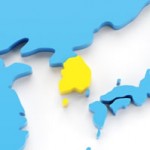
    south korea travel mapThe action heats up in summer, with sporting contests, outdoor concerts, and movies held on the beaches throughout the warmer months.

    Your stay in Jeju-do is set to be a luxurious one, with the island boasting world class resorts and motels including The Shilla Jeju and Lotte Hotel. If you’d prefer to save your cash consider a bunking down in a private home, known as a minbak. This is the Korean equivalent of a bed and breakfast, with its homely feel and welcoming hosts. Gomangnandol and Bluesung Minbak are popular choices amongst budget travelers. Alternatively you can camp on many local beaches, including Geumneung Beach and Jungmun Beach, for less than $20US.

  • See Koalas in Australia – Best Zoos and Wildlife Parks to Meet Cutest Australians

    Australia is home to a host of weird and wonderful creatures, including the iconic kangaroo, the duck-billed platypus, and the spiky echidna.


    But few animals inspire such passion from tourists as the cute and cuddly koala.

    They might look like real-life teddies, but koalas aren’t actually bears at all. Instead they are marsupials, just like kangaroos, wallabies, and Australian possums. While they live all along Australia’s east coast, from the tip of Queensland to the bottom of Victoria, few tourists will ever spot one in the wild. Koalas are nocturnal creatures, so they sleep high in the tree tops during the day and become active only after night falls. So the best way for tourists to see a koala is to visit one of Australia’s nature parks and zoos.

    The Koala Park Sanctuary in Sydney’s western suburbs was established in the 1920s to protect koalas from the lucrative fur trade of the time. While koalas are now protected, the park’s work is still vital to the survival of this endangered animal. The park’s rainforest, eucalyptus trees, and native gardens look to mimic the koalas natural habitats, allowing visitors to observe these creatures behaving as they would in the wild. Guests can cuddle, pat, and get their photo taken with the koalas at the park’s feeding sessions, which happen four times a day.

    a koala in australia
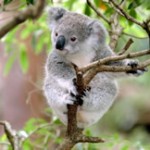
    Australia's cutest resident, the koala

    On the other side of Australia there’s the Cohunu Wildlife Park, located 40 minutes from Western Australia’s capital city, Perth. When the park opened in 1982 there were just four koalas. Today there are more than 25, and with an average of four joeys born each year the population continues to grow. Visitors can cuddle a koala and get a souvenir photo taken to show their friends. All proceeds from the photos go back into the park’s koala research program.

    While Steve Irwin was more famous for wrestling crocs than cuddling koalas, his Australian Zoo in Beerwah, Queensland has more than 20 of the cute creatures. With names like Chanel, Alexia, and Mishka, you can bet these are some pampered koalas! At the zoo’s daily koala show, visitors can learn all about the way these creatures live in the wild and the ones that make the zoo home.

  • Cruise Down Li River in China

    While China is known for its fast-paced urban cities, that’s not all this Asian nation has to offer.


    For a more relaxed experience make sure you set aside some time to boat down the Li River, or Lijiang River as it is sometimes known. Cruising from Guilin to Yangshuo is an excellent way to enjoy the beauty of the Guangxi Province.

    The journey gives you a taste of a different side of China, one far removed from the vibrant metropolises of Beijing and Shanghai. You’ll drift past peasants enjoying a simpler way of life, tending their rice paddies and floating about on bamboo rafts. The scenery too is spectacular, from the stunning Karst peaks to the mysterious caves. Keep your eyes peeled for wandering water buffalo and fishing cormorants.

    The 52-mile journey takes around seven to eight hours. It can be done in a day, and companies including Great Wall Tours and Yes China Tour do just that.

    Li River in Guilin, China photo
    The Li River in Guilin, China

    However other tour operators including Lychee Travel and China Odyssey Tours take a little more time and enjoy the journey at a more leisurely pace.

    These longer tours generally include an overnight stopover at Yangshuo. While the center of this small town features modern restaurants and shopping opportunities, the quaint rural villages show a different side to the area. These tours also often make stops at various points of interest on the river passage, including the Elephant Trunk Hill, Yao Mountain, and Solitary Beauty Peak. While the extended tours are more expensive than day trips, they also include accommodation and more meals.

  • Eco-Friendly Treehouse Rooms at India’s Vythiri Resort

    The treehouses of Vythiri Resort in North Kerala, India, capture the magic of childhood for the environmentally conscious world.


    The resort has two treehouses in 500 acres of private forest. The rustic elevated dwellings have two stories, with each floor housing a double room. Each has a bedroom, a bathroom, and a terrace which allows you to appreciate the view. At 90 feet above the ground, this vista is pretty incredible.

    You access your treehouse using a primitive elevator fitted with a sack of water for a counterweight. It takes around 15 minutes for the water to fill, but in rural India no one is in a hurry. The basic facilities mean there is no electricity either, but the kerosene lamps cast a romantic glow over the rooms. Contemporary luxuries aren’t completely forgotten though. The hot water showers and flushing toilet should please those who appreciate mod cons.

    The buildings are designed with green practices in mind. The integrity of the trees is preserved, with no nails actually penetrating the bark.

    The eco-friendly resort’s grounds are so large you could easily spend a few days exploring. If you want to rest your feet, the resort’s friendly elephant Ammu will give you a ride. He only asks for bananas as payment! If you’d rather relax you can take a dip in the swimming pool, indulge in a spa treatment, or feast in the resort’s traditional restaurant.Lodging sign with arrow

    The resort is isolated, but staff are happy to collect guests from the city of Vythiri in their all-terrain jeep. It’s pricier than many accommodation options in India, but that added cost buys you a unique accommodation experience and all the luxurious solitude of the great outdoors.

  • Escape The Hong Kong Rat Race at Secluded Kat O Chau Island

    Hong Kong is famous for its towering skyscrapers and fast pace.


    If you’re looking to escape the hustle and bustle, a trip to Kat O Chau may be in order.

    Also known as Crooked Island, this tiny isle is located in north-east Hong Kong. It’s not quite 2.5 square kilometers and home to less than 300 villagers. The ocean is the heart of Kat O Chau, with the seafood industry first class. Fresh abalone, squid, and mussels are the area’s specialties so make sure you sample them at the famous Yik Man Seafood Restaurant.

    It’s easy to pass the time wandering Kat O Chau’s streets, marveling at ancient brick houses and traditional temples. The Tin Hau Temple is especially worth a visit with its blue and green ceramic friezes. Pirates hid their treasures in island’s small grottoes hundreds of years ago, while couples throughout time have tied the knot at the Marriage Tree.

    If you enjoy diving you’ll want to pack your scuba gear. Tung O Wan beach is thought to be the best scuba diving spot in all of Hong Kong. There isn’t a lot of shade on the sand, but this secluded beach is a great spot for swimming.

    Visitor entry to Kat O Chau is restricted, so you’ll need to plan ahead. A ferry runs from Sha Tau Kok, but the non-residents will need a police permit before boarding the ferry. It may be worth the effort though, as this is the most inexpensive way to access the island.compass to hong kong

    You can also rent a boat to get yourself there. While this can be expensive for singles, it’s a good option for groups. Duk Ling, Jaspas Junk, and Aqua Luna all have boats available for charter.

    The third option is to join an organized tour. Traway Tours runs one of the most popular. Their tour price includes an English speaking tour guide, lunch, and the opportunity to visit the Tolo Channel, a Hakka village, and other sites. These tours run from September to February.