FrugalMonkey Discount Travel News

Category: Trip Locations

  • Weird and Wonderful Big Things in Queensland, Australia

    When international tourists think of Queensland they tend to think of the sun, surf, and sand of The Australia Gold Coast.


    But within Australia, the state has another, more dubious reputation as the home of Big Things.

    More than 40 massive sculptures are dotted around the state. There are enormous animals, gigantic pieces of fruit, and in true Australian fashion, a massive bottle of beer. Many travelers stop to take photos with the curious structures and enjoy the other facilities found there. With many Big Things seemingly located in the middle of nowhere, Big Things give tourists a chance to enjoy a meal, buy some souvenirs, and stretch their legs on a long journey.

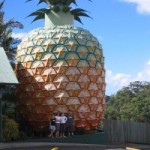
    The Big Pineapple is one of the state’s most popular Big Things. The 52-foot fiberglass structure welcomes visitors to a working pineapple farm in Woombye. There’s a winding staircase inside, which takes guests through an exhibit detailing the plantation’s history. The staircase leads to a viewing platform, which offers superb views of the plantation and the nearby Big Macadamia.

    With a population of just over 1000, Normanton had to work hard to attract tourists. They did it with the erection of not one, but two, Big Things. The most famous differs from most Big Things, as it’s actually to scale. However, there’s nothing ordinary about Kris, an 8.63 meter replica of the largest crocodile ever caught in the area. It was shot by a female school teacher on the river banks in 1957. I assume that tough school ma’am had no discipline problems with her students! Normanton is also home to the Big Barramundi.
    bigpineapple
    This fishy six-meter tall sculpture is a nod to the area’s reputation as the Barramundi Capital of the North.

    One of Queensland’s newest Big Things is The Big Gumboot. This golden boot was erected in 2003, but its history stretches back much farther. The North Queensland towns of Tully and Babinda have long argued about which spot’s the wettest. Since 1970, the town with the greatest annual rainfall has been presented with a golden gumboot. In erecting this golden gumboot in 2003, Tully seems to have claimed the ultimate victory. The structure stands 7.9 meters tall, the same height as the town’s record rainfall in 1950.

    Perhaps a Big Umbrella in Babinda will be Queensland’s next tourist attraction!
  • How to Stay Safe in Vietnam | A Guide For Female Travelers

    Women in the West enjoy many freedoms not experienced by girls in many global destinations.


    While this shouldn’t deter female travelers from exploring exotic locales such as Vietnam, girls should follow a few simple rules to ensure they stay safe and have fun on their Asian vacation.

    Vietnamese women dress modestly, and tourists should try to do the same. Wearing tight or skimpy clothes may be seen as provocative, and a sign that you do not respect local culture. Instead, choose conservative clothes that are relatively loose fitting and comfortable to wear. When visiting holy places and national monuments, female tourists should dress even more sedately. When stopping by these significant cultural spots, it’s customary to cover both arms and legs, even in warm weather.

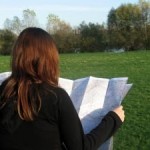
    Vietnamese men are not accustomed to women enjoying the independence of female travelers from Western countries. When dealing with them, it’s important to be inconspicuous, yet assertive. Do not be confrontational, but do be firm and confident. As most Vietnamese women do not travel alone, you are likely to be a source of interest and curiosity to the country’s men. They are likely to ask questions about your home, your family, and even your marital status. If the attention of these men is unwarranted, you may consider telling a small lie about an imaginary husband. It’s also important to consider that some Vietnamese men may interpret eye contact as a sexual invitation. Wearing sunglasses to disguise your eyes helps to prevent this confusion.
    girlmap

    As with traveling to any unfamiliar countries, you should also undertake basic precautions. Leave a copy of your itinerary with a trusted friend or relative, and contact them at regular intervals. Be aware of your luggage and other bags at all times, and never leave them unattended. Most vacation spots in Vietnam are considered safe for travelers, although pick-pocketing is rife in tourist centers and Ho Chi Minh City has a problem with bag snatching. As a precaution, consider staying at up market hotels and always lock valuables in their safes.

    Be alert and aware and sensitive of your surroundings, and you will enjoy your vacation in Vietnam.

  • Chaos on the Water at Thailand’s Floating Markets

    In Thailand farmers and craftsmen don’t take to the streets to sell their wares. They get on the water in the country’s famous floating markets.


    Here sellers with boats piled high with exotic fruits and vegetables, flowers, and other fresh produce meet fellow traders and barter their wares. It’s colorful and chaotic, but also great fun, and something you’ll remember from your Thailand vacation.

    The markets are a reminder of simpler times. Contemporary grocery and department stores have largely replaced these traditional bazaars, but those that remain are a highlight for the country’s visitors. In fact, the Thai government, recognizing their potential for generating tourist revenue, is attempting to revive previously abandoned floating markets.

    Thailand’s most popular and largest floating market is Damnoen Saduak, which is located at Ratchaburi, about 101 kilometers west of the Bangkok. You may have already spotted it on postcards or documentaries, but this doesn’t compare to the noise and excitement of seeing it for yourself. A little closer to the capital, tourists will find The Taling Chan market every weekend, and the Wat Sai market in Bangkok’s Thonburi district. Both are significantly smaller than Damnoen Saduak, but on a positive note they don’t see the same amount of tourist traffic.
    floatingmarkets

    If you hope to see the floating markets you’ll need to get up early. Most start at dawn and wind up by mid-morning. If you hope to be amongst the action, you might consider hiring a long-tailed boat for the day. Alternatively, many tour companies run trips to the Damnoen Saduak markets. Most of these day trips include transfers from your accommodation in Bangkok and stopovers at other nearby attractions.

  • Hit the Slopes at South Korea’s Ski Resorts

    It doesn’t have the global reputation of Aspen in the United States or Cerro Catedral in Argentina, but many tourists and locals flock to the ski resorts of South Korea every winter.


    The country’s snow season generally commences in the middle of November or early December, and lasts until March or April.

    A trip to the Korean snowfields is unlike any other skiing vacation. Rather than communing with nature and enjoying the wide open spaces as with many North American resorts, you’ll spend your time racing down the slopes to a throbbing K-pop soundtrack. The runs are groomed, and often packed with artificial snow and plenty of nervous yet enthusiastic Koreans.

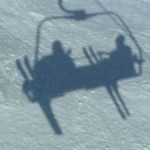
    The country has 12 premier ski resorts, mostly located in the Gangwon-do Province. This area gets the greatest snowfall, but it takes some time for tourists to get to. While skiing enthusiasts never mind the trip, those looking for a quick weekend getaway are more likely to frequent the resorts found around the suburbs of Seoul. Some of the area’s most popular slopes are at Yangji Pine Resort, with its illuminated ski runs and mogul course, and Konjiam Resort, the largest ski resort near Seoul. These are accessible by the capital’s public transport, so can generally be reached in an hour or two.skilift

    It’s not necessary to take your own skiing equipment to South Korea, as most have rental facilities. Resorts commonly allow night skiing, and have designated areas for sledding. The resorts also have instructors for beginners, but international travelers should beware. Many speak very little English, so these lessons can be challenging.

    The heavy snowfalls of Gangwon-do see its ski season start before the others, and last longer. Some of the most popular skiing spots in the area include Yongpyong Resort, often referred to as The Alps of Korea, Daemyung Vivaldi Resort, the first in the country to offer all-night skiing and a haven for young skiers, and Phoenix Park Ski Resort, a popular spot for snowboarding. The province offers many mountains of various heights, perfect for skiers or snowboarders of all experience levels.

    When it’s not snow season, most resorts continue to operate as regular accommodation options.

  • See Fiji’s Rainforests with a Zip Trekking Tour

    It’s got a reputation for sun, surf, and sand, but there’s more to Fiji than its coastal allure.


    The island nation is also home to thousands of hectares of tropical rainforest.
    While bush walking is always an option, Fiji’s zip trekking tours provide an experience that’s just a little different.

    Zip trekking lifts you up off the rainforest floor and high into the canopy. The method, which originated in Costa Rica, uses specialized climbing equipment to zip from one treetop platform to the next along steel cables.

    By getting off the ground, zip trekking allows you to see Fiji’s flying foxes, colorful parrots, butterflies, tree frogs, and other creatures that don’t live on the forest floor.

    With the platforms elevated as high as 45 meters above the ground, zip trekking is not for the faint hearted. To make you feel a little more confident though, travelers are connected to the wire or zip line by secure harnesses. Each harness also has a brake to slow things down. Once your nerves have settled, feel free to forget the brake and enjoy traveling through the trees at 60 km/h speeds.

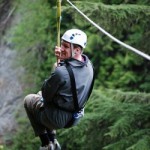
    While zipping along is lots of fun, the platforms give trekkers the chance to stop and take in their surroundings. Here the guides will also share their knowledge of the local area and its flora and fauna.ziptrekking

    Zip Fiji runs two-hour zip trekking tours every day at Pacific Harbour, located two hours from the Fijian tourist center of Nadi. They cost $125 FJD for adults and $65 FJD for children. This price includes the tour, the guide, and all zip trekking equipment. Bookings can be made in person or online through the Zip Fiji website.

    [Image Source: Kyhuskers2/Flickr]

  • i-SITE Tourist Centers Give Visitors Free New Zealand Travel Advice

    Visitors to New Zealand need only remember one name when seeking travel advice: i-SITE.

    i-SITE is New Zealand’s official network of tourist information centers.

    More than 80 i-SITEs scattered around the North and South Islands are dedicated to providing advice about local attractions, accommodation options, and transport. Best of all, the service is completely free to use. Unlike many tourist centers in other countries, the staff at i-SITE centers go the extra mile, booking tours, trips, and travel for their guests and sharing a few local secrets. In fact, the centers must achieve a certain level of staff training, services, and other standards before being selected as a prestigious i-SITE. i-SITES have everything you need to plan your trip, including brochures and maps to browse in store, and maps and guide books to take on your journey. You can also purchase gifts and souvenirs, and stamps and postcards for your friends back home. Most i-SITES also have internet facilities, and many have cafes so you can relax with a coffee while e-mailing loved ones about your adventures. You can make i-SITE your first New Zealand stop, with centers located at both Auckland and Christchurch airports. While there, visitors can pick up a map showing all New Zealand's i-SITE locations. Or if you're super organized, you can print the map from the i-SITE website before you leave.

  • Customs and Etiquette for Visiting Japanese Temples and Shrines

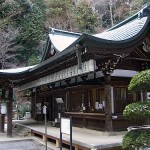
    japanshrineAs a tourist traveling to Japan, you should be mindful of local customs and etiquette, especially when visiting the nation’s temples and shrines.

    When visiting these religious sites behave calmly and respectfully. You may show your respect at a temple by tossing a coin into the offering box and saying a short prayer.

    Shrines also have offering boxes, but the practice here is slightly different. After donating you should take two deep bows, clap twice, take another bow, and say a quick prayer. If the shrine has a gong, strike it before praying to get the attention of the kami, or Shinto gods.

    It may seem strange to Western audiences, but it is important to appear pure when visiting a shrine.


    The Japanese consider guests tainted if they are unwell, have an open wound, or are mourning the loss of a loved one.

    To ensure cleanliness, guests engage in a purification ritual. A purification fountain is typically located at the shrine’s entrance. Fill one of the ladles provided with fresh water and rinse both hands. Then move some water into a cupped hand and rinse your mouth. Once your mouth is cleansed of impurities, spit the water out next to the fountain. It’s impolite to drink directly from the ladle and swallow the water.

    Cleanliness is also important at temples. You may need to remove your shoes before entering. Some temples have shelves at the entrance for footwear. Otherwise you should carry your shoes in a plastic bag. Remember to wear good socks in case it’s necessary to remove your shoes.

    Photography is usually permitted on temple grounds and at shrines. Many temples however forbid photography indoors.  In any case, you should look for signs stating the rules before taking out your camera.

  • Travel to the Taj Mahal in India, One of the World’s Greatest Wonders

    tajmahalThe Taj Mahal is regarded as one of the world’s great architectural achievements. You’ll find this stunning mausoleum in Agra, 200 kilometers south of the Indian capital, New Delhi.

    The fifth Muslim emperor Shah Jehan ordered the Taj Mahal’s construction in memory of his second and most adored wife, Arjumand Banu. The couple was married in 1612, and had fourteen children before she died during labor in 1630. Building began in the year she died and was completed 22 years later, thanks to the combined power of 20, 000 people and 1000 elephants.

    The Taj Mahal showcases a variety of architectural styles thanks to its Hindi, Mogul, Islamic, and Persian influences.


    Craftsman and material also came from the far flung nations of China and Italy to assist in its completion. The building appears especially beautiful at dawn and sunset, and its iconic white walls appear to glow in the moonlight. Its impressive exterior is matched by a breathtaking interior. The walls are decorated with dainty floral patterns and calligraphy embedded with semi-precious stones. The Taj Mahal’s two main chambers are built one on top of the other. Both octagonal rooms contain two jewel-covered sarcophagi; one intended for the king and the other, his queen. The crypts in the upper room are just for show, however, as their actual remains are hidden in the lower room.

    The Taj Mahal is open to tourists every day but Fridays. Adults must pay to enter, but children under 12 receive free admission. The months from March to April and October to December are the best times to visit. From July to September India experiences monsoonal rains, while temperatures soar from April to June. The days surrounding the full moons are the busiest, so if you want to miss the crowds it’s also best to avoid these times.

    Travelers hoping to enjoy the Taj Mahal’s beauty for a little longer can stay at The Oberoi Amarvilas, which sits just 600 meters away. The resort claims that all 102 luxury rooms have uninterrupted views of the monument. The facilities are first class, including two fine dining restaurants, a gymnasium, spa, and heated pool for year-round swimming.

  • Travelers’ Tips for Managing Money in Hong Kong

    piggybankworld-116x1161Hong Kong is a tourist mecca, with visitors from around the world lured by the bargain shopping, buzzing nightlife, and delectable cuisine. But it can be confronting at first for foreign travelers with little concept of the country’s money.
    Hong Kong may be famous for its economical shopping options, but a stay in the Asian nation can be pricey. Accommodation is a large expense, and drinking in those famous bars isn’t cheap either.


    Tourists should expect to spend roughly HK$600 a day if staying in midrange hotels and eating average meals.

    There are a few areas where tourists can save money though. Hong Kong’s transport system makes getting around affordable with its inexpensive taxis and public transport options. Hong Kong also enjoys no sales tax, adding to its allure for serious shoppers. While tipping is practiced in Hong Kong, the rules are not as strict as some countries such as the United States. There is no obligation to tip taxi drivers or bellboys, although if service is exceptional a small gratuity can be given. Most restaurants automatically add a 10% service charge, but diners may choose to add an additional tip. If a service charge is not applied, a 10% tip is customary.

    Automated Teller Machines, or ATMs, can be found almost everywhere in Hong Kong. Most are linked to international systems including Cirrus, Maestro, and Visa Electron. Some also allow Visa and MasterCard holders to withdraw money, although tourists using this service should beware of high processing fees and interest charges.

    Unlike many tourist destinations, Hong Kong has no currency controls. Visitors can enter and leave the Asian nation with as much cash as they like. Hong Kong banks generally offer the best rates for transferring foreign currencies, although travelers should be mindful of additional fees. Some banks charge non-account holders hefty commissions on each transaction. While this fee can be worthwhile if you’re converting a large quantity of money, it’s not practical for small amounts. Here a better option is a licensed moneychanger, such as Chequepoint. While these organizations do not charge a commission, their exchange rates are less attractive than the banks. These rates are clearly posted so travelers can make an informed choice. The exchange counters at airports and hotels generally give the worst exchange rates in Hong Kong.

  • Travel To The Great Wall of China

    No trip to China would be complete without visiting The Great Wall, a man-made marvel regarded as one of the great wonders of the world.


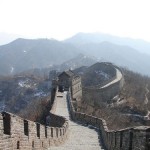
    Known as Changcheng, or long wall, to the locals, the Great Wall travels for some 6700 kilometers following the southern edge of inner Mongolia. In its journey it stretches through deserts, mountains, and grasslands. It was originally built more than 2000 years ago as separate walls dividing the warring states of Yan, Zhao, and Qin. Then during the Qin Dynasty, the emperor joined the walls to fend off the invading Huns. Today some parts of the wall are in ruins, but its historical significance and sheer size ensure tourists continue to visit.

    One of the best places to appreciate the wall is Mutianyu in Huairou Country. This location, 60 kilometers north-east of Beijing, is adorned by beautiful trees and shrubbery. It’s one of the most commercialized sections of the wall, but don’t let that deter you. The souvenir shops may be a little tacky, but hotels and restaurants are welcome modern-day conveniences. The popularity of this location has also seen authorities restore the wall to its former glory with original bricks. This is one of the few parts of the Great Wall which appears as it would have all those years ago.

    greatwallAs Mutianyu is set high in the mountains, it’s only accessible by cable car. One can take you to the top for sightseeing, while the other is for tobogganing. Both take approximately 10 minutes to reach the summit.

    If you’re after more than a quick day-trip to the Great Wall, consider joining a guided tour. Many local tour companies such as World Expeditions and Kumuka Worldwide offer Great Wall expeditions of varying lengths for beginner hikers and experienced trekkers.