FrugalMonkey Discount Travel News

Category: Trip Locations

  • Managing Money in Japan – The Yen and You

    The official currency of Japan is the yen. It is pronounced like the letter n, with no y sound. The yen is roughly equivalent to one US cent. The yen is available in ¥1, ¥5, ¥10, ¥50, ¥100 and ¥500 coins and ¥1000, ¥2000, ¥5000 and ¥10, 000 banknotes.japanese yen

    While Japan has many automatic teller machines, most will only accept cards issued in the country. However the nation’s post offices have ATMs which accept most foreign bank cards. These include cards belonging to the Visa, Plus, MasterCard, Cirrus American Express, Maestro, and Diners Club networks. If your bank card is not accepted by the post office ATMs, it can be very difficult to get cash in Japan. For this reason, tourists with cards outside these networks should bring cash or travelers checks to Japan.

    Most postal ATMs are available from 9am to 5 pm on weekdays and from 9 am to noon on Saturdays. As they are unavailable on Sundays and public holidays, tourists are advised to ensure they have always carry adequate cash.


    While postal ATMs have Japanese instructions by default, international visitors can press the “English Guidance” button on the touch screen for an English translation.

    Travelers can also access some international ATMs in large tourist areas like Tokyo, Kyoto, and Osaka, as well as the major airports of Narita and Kansai. International cards are also accepted by the ATMs at Citibank branches.

    Visitors should not rely on credit cards as their primary source of money. While most major department stores, high-end restaurants, and luxury hotels accept cards, many Japanese businesses do not. Visa is the most widely accepted credit card in Japan, followed by MasterCard, Amex, and Diners Club.

    Tourists can exchange their money and travelers checks for yen at Japan’s banks, post offices, and discount ticket shops. The discount ticket shops tend to have the best exchange rates. They are located around Japan’s major train stations. Most currencies are easily exchanged, except for the New Taiwan dollar and the won of Korea. Travelers holding this currency are advised to change it before arriving in Japan.

    When managing money in Japan, it’s worth noting that the country has a consumer tax of 5%. Luxury hotels and restaurants have an additional service charge attached, which may be between 10 and 15%.

  • Animals Great and Small at Auckland Zoo, New Zealand

    International favorites and local oddities are all on show at Auckland Zoo. This family tourist attraction is adjacent to Western Springs Reserve, a stone’s throw from Auckland’s central business district.

    New Zealand's national bird, the kiwi
    New Zealand’s national bird, the kiwi

    The Pridelands, home to a pride of five lions, giraffes, and zebras, and the rare Sumatran tigers of Tiger Territory always draw a crowd. The zoo is also home to Burma, New Zealand’s only Asian elephant and an underwater viewing area for California sea lions and New Zealand fur seals. More New Zealand natives are found in the nocturnal house, including kiwis, tuatara lizards, and the Southern Boobook owl or morepork as it is commonly known. New Zealand’s Australian neighbors also have a place in the Aussie Walkabout, where visitors can walk through an enclosure with emus, wallabies, and kangaroos.


    Little ones can enjoy an animal encounter in the Kidzone, which features pigs, rabbits, goats, sheep, chickens, and many other farmyard friends.

    Auckland Zoo is active in conservation efforts in New Zealand and abroad. The zoo is particularly committed to captive breeding programs for the native kiwi and tuatara. The zoo is also active in educating school children about the environment and its animal kingdom. These efforts look to make the next generation more aware of the world around them.

    Auckland Zoo opens at 9:30 am every day but Christmas Day. Adult passes cost $19 while children, seniors, and students enjoy discount rates. Further discounts are available for families and social groups. Parking is available on site for drivers, who will find the zoo well signposted. The Explorer bus also travels from Auckland Museum every hour between 10:30 am and 3:30 pm each day.

  • Australia’s Best Shiraz at South Australia’s Wine Capital, The Barossa Valley

    Australians are wine pioneers, inventing the wine cask or wine-in-a-box and the innovative screw-cap lid. While the land Down Under has many wine regions to explore, few have the allure of South Australia’s Barossa Valley. The Barossa is located around 60 kilometers northeast of the South Australian capital of Adelaide.

    Vineyard in the Barossa Valley, South Australia
    A vineyard in the Barossa Valley, South Australia

    The region is famous for shiraz, or syrah as it’s called in many parts of Europe and The United States. Here the red wine is bold and earthy, full of flavor yet surprisingly elegant and complex. Wine buffs may come for the shiraz, but they shouldn’t dismiss the region’s other wines. The area also produces excellent grenache and cabernet sauvignon, white varieties including riesling and semillon, and even some fortified dessert wines.

    The Barossa Valley is home to around 50 wineries, so it’s ambitious for tourists to see them all.


    Big names like Jacob’s Creek, Penfolds, Wolf Blass, and Yalumba entice tourists, but the smaller boutiques are often more enticing. They’re less crowded, so guests generally enjoy a more personalized wine tasting experience. While they often have a smaller range of wines to taste, these wines tend to be perfected by the winemakers. Jenke Vineyards, Rockford, Vine Crest, and Rosenvale Wines have some of the area’s best.

    Most Barossa Valley wineries encourage travelers to stop by and sample wines at their cellar door. Complimentary wine tastings are conducted by vineyard staff or the wine makers themselves who are eager to share their knowledge of the wine varieties. Feel free to ask any questions you have to make the most of your wine tasting experience.

    The best way to see the Barossa Valley’s wineries is to join an organized wine tour. Groups including Groovy Grape Getaways, For Wine or Reason (call: 0438 388 883), and Alfie’s Wine Tours will take care of the transport, leaving you to enjoy the day’s tasting. Many tours will collect you from your accommodation and return you to your hotel at the end of the day. Wine tours typically include stops at four or five of the region’s wineries, some of the area’s other attractions, and a restaurant or winery for lunch.

    If you do hope to take a self-guided tour, ensure you are mindful of Australian drink driving laws. It is illegal for drivers to have a blood alcohol level above 0.05, which is equivalent to two standard alcohol drinks. You may be fined and have your license revoked if you exceed this limit. For that reason, it’s smart to leave the car at home if you hope to enjoy some of Barossa Valley’s finest wines.

  • Volcanic Wonder at Mount Aso, Japan

    Japan has a reputation as the world’s technological center. But many tourists to the Asian nation are just as impressed with the country’s natural wonders. One of the most magnificent is the caldera of Mount Aso.

    Caldera of Mount Aso
    The caldera of Mount Aso at Kyshu, Japan

    You’ll find this active volcano at the heart of the island of Kyushu. Its caldera is one of the largest in the world, measuring 25 kilometers across. In fact, the caldera contains the town of Aso and several more volcanic peaks. These include Nakadake, an awe-inspiring active crater. Tourists are warned that the crater’s gases can be intense, so people with respiratory complaints including asthma shouldn’t visit. At some times the crater may be closed to the public altogether due to these poisonous fumes.

    But that shouldn’t discourage tourists, as there is plenty more to see. The grassy plains of Kusasenri-ga-hama are not far from Nakadake.


    You can enjoy this rural setting on horseback, with riding tours running from early March to mid December. Kusasenri-ga-hama is also home to the Aso Volcano Museum which details the area’s history.

    Komezuka is a small volcanic cone on the northern side of Nakadake. There are easy walking trails, although none take you right to the summit’s apex. Most visitors will be happy with the views they get from the top of the paths though.

    The Nakadake Crater is a 30 to 40 minute bus ride from JR Aso train station. Buses run regularly every, with one leaving every one or two hours. The buses travel to Asosan Nishi Station, where travelers can connect with a ropeway for a short ride. If you’d rather stretch your legs, it takes 30 minutes to walk from the station to the crater. The crater is also accessible by car, although drivers will need to pay a toll as they near Nakadake. A parking lot is located conveniently beside the site.

  • Drinking Kava in Fiji – Tips for Traditional Island Ceremony

    During your stay in Fiji, you will likely come face to face with kava. Fiji’s national drink appears much like dirty dishwater, but partaking in it is an essential part of your Pacific stay.

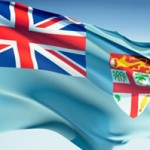
    The national flag of Fiji
    The national flag of Fiji

    Chiefs offer this ceremonial beverage to visitors as part of village tours. It is a sign you are welcomed into the village as a friend. The drink is prepared using the root of the piper methstyicum plant. While it is non alcoholic, kava’s mild analgesic properties may make you feel lethargic and tingly.

    The kava ceremony is serious business. Before drinking, you will sit cross-legged on a woven mat facing the chief. To show your respect, you should wear modest clothes, be quiet, and lower your head. Kava is served in a bilo, or coconut shell. Before accepting it, clap once with cupped hands and say “Bula” to express your gratitude. Clasp the shell with both hands and drink quickly, as you would an alcoholic shot. After downing the kava, return your shell and clap three times before saying “Bula” again.

    Kava is best experienced on a village tour, although most lodging you can book in Fiji also have kava nights. This kava is much weaker than that served in the villages, but it’s often more palatable to Western tastes.

    Kava is an acquired taste, but tourists should mask their displeasure. The chief may be offended if you do not like the kava, or if you refuse it altogether. Instead, embrace the kava ceremony as a unique part of Pacific culture.

  • Transport Tips for Traveling Around India

    A vast number of transport options make getting around India easy.

    Few tourists take self-driving vacations in India. While India’s largest cities have international car rental companies like Budget and Hertz, the challenging urban driving conditions are a deterrent.

    //

    It’s more common for visitors to hire a car which comes with its own driver.

    While inner-city driving is not recommended, India is ideal for long motorcycle journeys. Motorcycles handle the country’s pitted roads better than four-wheeled vehicles do, and there’s the freedom to stop when something catches your eye. Many people begin their motorcycle journey in Delhi and travel to Rajasthan, South India, or Ladakh. Providing you have the correct paperwork, you may also like to ride to Nepal, Bangladesh, or Bhutan. When hiring a motorcycle, look for bikes covered by third-party insurance. It’s not unusual to leave your passport, airline tickets, or a large cash sum as a security deposit. While solo touring holds a certain appeal, many tourists prefer to join an organized group. Companies including Wheel of India, Classic Bike Adventures, and Himalayan Roadrunners all offer tours including support vehicles, mechanics, guides, and bike hire.

    Buses are India’s most inexpensive transport option. While services are fast and regular, the country’s perilous roads and the risk-taking nature of many drivers can make bus travel a harrowing experience. Government buses are the safest options, but seats can be booked months in advance. Private buses are less expensive, but they are often overcrowded and their drivers regularly exceed recommended speeds. Luggage may be stored underneath the bus or on the roof. If your bags are on the roof, make sure they are closed tightly and secured to the metal baggage racks as the bumpy roads may send suitcases flying.

    Compass

    While it is regarded as risky in many Western countries, hitch-hiking is an established part of Indian culture. Truck drivers stand in for bus services in remote areas including Ladakh, Lahaul, and Spiti. They charge a small fee for this service, which can be negotiated. But this can often prove difficult as few drivers speak English. While hitch-hiking is common, women are cautioned against doing it alone.

    Train travel offers a more luxurious experience for tourists. The network is extensive and prices are affordable. Major cities also have suburban networks, although these trains can become overcrowded in peak times. While the ticket buying process can seem confusing, most stations have English speaking staff to assist foreign travelers. The Indian Railways site offers timetables of all major train lines.

    A variety of water transport options help travelers make their way across and down India’s waterways. Wooden canoes and primitive coracles are inexpensive passenger options, while larger ferries can transport guests and their cars. Most boats will accept an extra fee to transport bikes and motorcycles.

  • An Ancient Army at Terracotta Army Museum in China

    On your trip to China you must allow time to see the terracotta warriors and horses, which are regarded by many historians as the most significant archaeological discovery of the last century.


    You’ll find them at the Terracotta Army Museum in Lintong, Xi’an in the Shaanxi Province. It lies 1.5 kilometers east of Emperor Qin Shi Huang’s Mausoleum. This ruler, known as China’s first emperor, commissioned the creation of this model army during his reign from 211 to 206 BC.

    The life-sized figures, carved from terracotta and poised for battle, are the museum’s star attractions. Each is completely unique, with his own facial expression, hairstyle, clothes, and gestures. Many of the figures are armed with weapons of the time, including bronze swords, longbows, dagger-axes, and spears. They are arranged in faithful battle formation, recreating a real army designed to protect the emperor in the afterlife.

    The Chinese Terracotta Warriors
    The Chinese Terracotta Warriors

    The museum is divided into three sections or pits, which are numbered in order of their discoveries. The first pit, the largest, was opened in 1979, five years after the incredible unearthing. It houses rows of soldiers at the front, numbering around 6000, followed by impressive war chariots. The second pit was unveiled in 1994. It is home to more than a thousand warriors and almost 100 wooden chariots discovered in 1976. The third pit features the discoveries of 1976. Here you’ll see more than 7000 pottery armed soldiers, horses, and chariots carefully restored to their former glory. This large section was opened in 1989. As work is ongoing at the original site, we can only hope more treasures will be added to the collection in the years to come.

    The Terracotta Army Museum is open daily from 8 am to 6 pm. Tourists should allow three hours to see the museum’s attractions. Getting to the museum is easy. Trains run from all major tourist centers to Xian Railway Station. Once there, visitors can take the #914 bus or tourist bus 5 directly to the museum.

  • Road Trip Around Australia – See Down Under By Car

    A road trip can be one of the best ways to see Australia. While many tourists travel from one location to the next by air, they miss much of the wide-open spaces and natural beauty of The Great Southern Land.


    But before you get behind the wheel, there are a few things you should consider.

    Anyone holding a foreign license written in English can drive on Australian roads for a period of up to three months. Travelers who do not have a license in English can apply for an International Driving Permit before arriving in Australia.

    Remember that Australians drive on the left-hand side of the road. This can be difficult for many travelers to become accustomed to at first, especially when navigating busy city areas. To accommodate this change, Australian cars see drivers sitting in the right hand side of their vehicles and controlling the gear shift with the left. The configuration of pedals follows the world standard.

    Speed limits on urban roads are typically 60 km/h, while drivers can travel at 100 km/h on most highways. However, drivers should always look out for road signs to indicate the maximum speed. Police enforce speed limits with the use of roadside cameras and patrol cars.

    Australian law requires drivers and passengers to wear a seatbelt at all times. Infants and small children must be secured in a safety capsule or baby seat. Drivers must be sober, with a blood alcohol level of less than 0.05%. Police conduct random breath tests to enforce this rule.

    The size of Australian can also bewilder visitors at first. It’s possible for drivers to travel for several hours between towns, so drivers should plan their fuel and refreshment stops accordingly.

    See Australia's Outback by road
    See the Australian Outback by Road

    While urban roads and major highways are generally in good condition, it’s often a different story in remote areas of the country such as The Outback. Many roads may be unsealed dirt tracks which require careful navigation.

    While driving on highways can often become monotonous, it’s important to stay alert at all times. This is particularly true around bush and farming regions, where animals may use the roads for crossing. It’s recommended that drivers take a break every two hours to ensure they are attentive enough to respond to hazards.

  • Hit Hong Kong’s Bars and Nightclubs on a Budget

    Hong Kong has some of the most exciting after dark entertainment on the planet, but it can get expensive to enjoy a big night out.


    But that doesn’t mean you need to spend your Asian vacation holed up in your hotel room. You just need to know where to go to enjoy Hong Kong’s nightlife on a budget.

    To entice people out through the week, most bars in Wan Chai have special ladies nights. If you’re of the female persuasion you won’t pay a door charge and you’ll enjoy free standard drinks all night. The area has a reputation for being a red light district, but you shouldn’t be bothered if traveling in a group. For your security, avoid the strip joints and opt for upmarket bars like the Agave.

    Lan Kwai Fong in central Hong Kong isn’t generally as inexpensive as Wan Chai, but if you visit the bars midweek this isn’t a concern. The popular Beijing Club slashes its regular $300 HKD entrance fee to $220 HKD for men and absolutely nothing for ladies on Wednesdays and Thursdays. If you’re planning on a big night, you may want to visit Cliq across the streets. You’ll need to pay the $200 HKD cover charge, but it always has an open bar for girls. Men enjoy the same privileges on Thursdays.

    While most drinks promotions benefit women, everyone can enjoy happy hours. Between 5 pm and 9 pm, most restaurants and bars in major Hong Kong business districts will offer discounted drinks and two-for-one deals.

    budget travel

    To ensure you’re not drinking on an empty stomach, look for cheap eats before you hit Hong Kong’s bars. Cul-De-Sac and Ebeneezer’s Kebabs & Pizzeria serve up inexpensive pizzas and kebabs, while the country’s first 24-hour breakfast diner, The Flying Pan, dishes up authentic English bacon and eggs.

  • See China’s Leshan Dafo, The Giant Carved Buddha

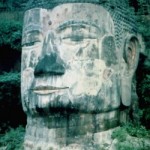
    The Great Wall of China isn’t the only giant historic site in China. In the Mount Emei Scenic Area, near the city of Leshan in the Sichuan province, you’ll find Leshan Dafo, or the Leshan Giant Buddha.

    This seated stone sculpture was carved from a cliff face during the Tang Dynasty. It was the brainchild of the Chinese monk Haitong, who believed the giant religious carving would calm the area's rivers. It seems he may have been right. Today the Minjiang, Dadu, and Qingyi rivers flow gently by the Giant Buddha's feet. Skeptics may say the stone used to create the Buddha found its way into the waters, thereby altering their currents. But true believers feel it was the Buddha's religious influence that made these waters safe for ships. The enormous size of the Buddha renders tourists awestruck. His head reaches the top of the cliffs. The smallest toenail on his eight-meter feet can easily hold a seated person. His 28-meter hands have three-meter long fingers.giant chinese buddha But the Leshan Buddha isn't just large; it's also an impressive feat of early architecture. His coiled hair features more than 1000 buns. Hidden gutters and channels scattered behind his ears, in his arms, and the folds of his clothing carry rainwater. This mechanism, which keeps the inner parts dry, has helped protect the Leshan Buddha for thousands of years. However, the efforts of the early craftsman couldn't save the Leshan Buddha from the modern world. Air pollution and acid rain caused sooty marks and erosion, although the site has been recently been restored. Ferries traveling to Leshan Port to Yibin City, Luzhou City and Chongqing City all bypass the Leshan Giant Buddha site. Alternatively, tourists can catch a train from Leshan to Emei station. This is located about six miles from the Mount Emei Scenic Area.