Luxury and an eco-friendly ethos go hand in hand at Evason Resort in Thailand’s tropical paradise, Phuket.
It was even built inside the unused shell of an old building, making its creation the ultimate in recycling!
The 64-acre property was designed to make the most of Phuket's natural surrounds. It's set amongst tropical parklands and gardens, while the luxury suites capitalize on the views of the nearby Andaman Sea.
The deluxe environmentally friendly accommodation focuses on sound waste and water management, energy efficiency, and social responsibility. The resort has its own environmental staff member, who oversees the property's organic gardens and energy consumption, and liaises with the community about environmentally-friendly practices.
The rooms are located in five low-rise buildings scattered around the resort's gardens. There are 260 rooms in all, ranging in price from the standard guest rooms to the honeymoon villa at Bon Island. Each has a private balcony, while most have a unique open-style bathroom.
[caption id="attachment_3258" align="alignright" width="150" caption="A pool villa at Evason Resort in Phuket, Thailand"][/caption]
There is so much to do at Evason that you don’t really have to leave the resort. You can take a dip in one of three swimming pools, play volleyball or tennis, unwind in the spa, or browse the WiFi-equipped library. If you do feel like venturing out you can take the shuttle bus to Phuket Town or Patong Beach, or explore the area at a more leisurely pace with a bike tour.
Evason is family-friendly, but you don't need to have the rugrats hanging off you all the time. The kids club is designed to give mom and dad some private time, with activities and games for four to 12-year-olds.
Evason was South-East Asia's first Green Globe certified resort, and the recipient of the Wild Asia Award for Responsible Tourism in 2006.
Vietnam attracts visitors drawn to its rich history and magnificent natural vistas. But there’s a different side to the Asian nation, a tropical paradise just off Vietnam’s south-east coastline.
Vinpearl Land on Hon Tre Island is thought to be one of Asia's best keep secrets, a coastal tourism complex which makes the most of stunning Nha Trang Bay.
This is not a holiday destination for budget travelers, with few high end resorts. It was designed for guests who want to have all their needs met on site. The hotel has several restaurants and bars, a sprawling pool and spa for relaxing, and a gymnasium for working up a sweat.
Later this year a six-star hotel is scheduled to open, giving luxury lovers even more choice. It will have 125 six-star suites, which pale in comparison to the two presidential villas.
The opulent hotel's facilities will include two tennis courts and massive 3500 meter squared swimming pool.
While lazing by the pool and snorkeling in the bay are attractive, families will love Vinpearl Land's amusement park. It has a variety of indoor and outdoor rides, including a swinging carousel, jet elephant, and merry-go-round. The 500-seat amphitheater hosts concerts and stage shows, while the musical fountain entertains visitors each night with its laser spectacular.
The region's weather conditions are perfect for soaking up all that Vinpearl Land has to offer. It enjoys around 300 days of sunshine each year, with comfortable average temperatures of 80 degrees Fahrenheit.
The most popular way to reach Vinpearl Land is by cable car, which leaves from the mainland hourly between 9 am to 10 pm each day. At 3320 meters, it is the longest cable car in Vietnam. Between 1000 and 1500 can enjoy the views of Nha Trang Bay as they take the 12-minute journey. High-speed boats, taxi canoes, and ferries also travel from Phu Quy to Vinpearl Land each day.
While luxury hire cars are available, most travelers choose to explore the island spot by tuktuk car. These vehicles transport visitors from the boat pier to their hotel or the amusement park.
At 2507 kilometers long The Ganges, which stretches from the Himalayas to the Bay of Bengal, is nowhere near as long as the Nile, the Amazon, or the Mississippi. But its might comes from a much deeper place. The river is regarded as the lifeblood of India, a water source which gives the Asian nation its economic freedom, its spirituality, and its cultural identity.
Sunrise on the Ganges River near the holy city of Varanasi
One of the greatest ways to experience the splendor of The Ganges is to get on it. Several touring companies, including Adventure Expedition Travel and Shikhar Travels, offer sailing journeys down the river. These sailboats are not like those familiar to Western travelers. The rustic vessels are propelled by the sail if weather permits, or bamboo poles when conditions are still. A canvas awning offers crude shelter from the elements, and there is room for just a small number of passengers and their luggage.
The sailing expeditions travel to the holy city of Varanasi.
The sacred city is home to ghats, a row of stone steps along the Indian coast. Tourists can see many Hindus here bathing, practicing meditation and yoga, making offerings to the gods, and cremating the dead. It's thought that anyone who dies in Varanasi will travel straight to heaven. To truly experience Varanasi, tourists should take a walk around the Old Town, or Vishwanatha Khanda. This area's shrines and temples, stalls and shops, are a hive of activity all year round.
For their own comfort, tourists are advised against traveling to The Ganges in the middle of the year. In June temperatures soar as high as 39 ºC, while July is the area's wettest month.
If you’re a seasoned diver, or looking to become one, there’s no better place to stretch your sea legs than Australia.
The jewel of this island nation is the Great Barrier Reef, but there are plenty of other marine havens to explore.
Newcomers might like to venture out with Ocean Spirit Cruises. Their one-day Great Barrier Reef Sail and Dive Trip allows guests to snorkel or take an introductory dive at Oyster or Arlington Reef. From there you'll head to Upolu Cay, which offers sheltered conditions and a sandy bottom for novices.
More experienced divers may want to try the three-night Yalonga Wreck and Great Barrier Reef dive trip from Adrenalin Dive. You'll need open water certification and at least six logged dives with deep dive training to participate, but it's worth getting involved. The Yalonga wreck site is known around the world for attracting some of the biggest fish in the reef.
Further south there's Indepth Scuba, which has dive centers in Canberra and Batemans Bay.
[caption id="attachment_3227" align="alignright" width="150" caption="A starfish on coral in the Great Barrier Reef"][/caption]
It offers a diverse range of PADI courses, including wreck diving, Nitrox diving, and deep cavern diving.
To the west, look to Dolphin Dive Fremantle. This Western Australia dive shop runs diving and snorkeling trips to idyllic Rottnest Island. This nature reserve has deep crevices, caverns, and caves for divers to explore. Keep your eyes peeled for the wildlife too: in spring you’ll likely spot humpback whales, while gray nurse sharks like to visit the Western waters in fall.
If you want to enjoy a driving vacation in Australia, there’s no better stretch of coastline to explore than the Great Ocean Road. The Victorian passage stretches from Geelong to Warnambool.
This scenic road is actually the world’s largest war memorial. It took diggers 16 years to build the 241-kilometer road in memory of their fallen comrades. There was no modern technology at that time, with the serviceman relying on picks, shovels, dynamite and sheer will to achieve the feat.
The Twelve Apostles, one of the highlights on The Great Ocean Road
The winding road passes 25 beaches, 13 waterfalls, several shipwrecks, eight lighthouses, and many charming small towns. These attractions help drivers break up their journey, with opportunities to stretch one’s legs, take a dip, and enjoy coffee and cake at a roadside café.
Don’t miss the Great Ocean Walk, a 91-kilometer bush walking trail through the Great Otway and Port Campbell National Parks. There is stunning coastal scenery, sheltered beaches, and heathland, and an abundance of local wildlife. Keep your eyes peeled for kangaroos, echidnas, koalas, wallabies, and several native species of bird life.
Port Campbell National Park’s great feature is The Twelve Apostles, a collection of imposing limestone stacks which rise dramatically from the Great Southern Ocean. The waves have seen several of the Apostles collapse, but those remaining are no less impressive.
The Apostles are best seen at sunrise and sunset, when their colors change from dark in shadow to brilliant yellow against the sun.
The road from Moonlight Head to Port Fairy is nicknamed The Shipwreck Coast after the many ships which came to grief negotiating the brutal Bass Strait. Road signs and plaques detail the history of around 50 boats that met tragic ends.
The Great Ocean Road is best experienced in short bursts, so it's worth exploring accommodation in the area. For something unusual, it's hard to beat the aptly named Pole House in Fairhaven or the historic Cape Otway Lighthouse cottage. Port Fairy also has several B&Bs, while the beachfront accommodation options of Lorne and Apollo Bay are ideal for couples looking for luxury.
Just as the British sent its criminals to Australia, Chinese emperors punished its lawbreakers by sending them to Sanya, on the southernmost tip of the Hainan Province. How ironic that both sets of delinquents were banished to paradise.
The beautiful beach at Sanya, China
The coastline is covered in pristine white sand bordered by sparkling blue sea. Palm trees thrive in this tropical climate, which seems more like a Hawaii vacation spot than anywhere in Asia. Perhaps it’s little wonder then that both holiday destinations are at the same latitude.
Sanya offers plenty of water activities designed to take advantage of its famous harbors and bays. Visitors can go banana boating, surfing, scuba diving, and jet skiing. Those preferring to enjoy Sanya on land can try their hand at beach volleyball or kite flying.
Sanya does not offer as many tourist attractions as many Chinese cities, but families should love the butterfly museum, the tiger and crocodile center, and the shell aquarium.
The Nanshan Temple offers a glimpse into the area's culture, while the Daxiao Dongtian, or fairy caves, have picturesque ocean views and mountain scenery.
Sanya is home to around 20 different ethnic groups which make it a food lovers paradise. Seafood and tropical fruits are plentiful, and these fresh delicacies can be found in many different dishes. Brazilian barbeques, Italian pizzas, and Cantonese and south-east Asian cuisine is all on offer from Sanya's many restaurants.
While Sanya was originally founded on fishing, today international tourism is the area's most important industry. The city is home to many of the world's largest tourist chains who offer luxury on a grand scale. This is not a holiday spot for budget travelers.
One of the newest hotels in the region is the plush Sanya Hilton Resort and Spa. Guests stay in suites overlooking the sea or local forests, and enjoy first class facilities like a spa retreat, opulent pool with its lagoon and waterfall, children's play area, and fitness zone.
Sheraton Sanya Resort has hosted Miss World competitors for the last three years. It's little wonder these international glamourpusses choose to make the Sheraton their home away from home, with its 18 and 6-hole golf courses, tennis courts, night club, and six international restaurants. Each room has beautiful views from its own private patio and the Sheraton's patented Sweet Sleeper beds.
When the stars want to escape the glare of the paparazzi they fly out of Hollywood and head across the world to the South Pacific.
And with the region's pristine beaches, tropical weather, and exclusive resorts, who can blame them?
Wakaya Resort is a favorite of a host of stars, with Bill Gates, Pierce Brosnan, Keith Richards, Michelle Pfieffer, and Russell Crowe amongst its famous guests. It's not hard to see why these celebs keep coming back; with just 20 guests allowed to stay at any one time Wakaya offers the sort of privacy few resorts can match. Of course, the stars pay for the privilege with luxury cottages starting from $1900 US a night. But that's just the tip of the luxury iceberg. Most celebs splash out the exclusive House in the Clouds, which costs $7600 a night. That buys the very lucky occupants their own fitness center and cliff-side swimming pool, so there's no risk of unflattering exercise snaps ending up in the tabloids.
Nearby Turtle Island, also in Fiji, is another haven for Hollywood stars. It didn't help their marriages last, but high-profile couples Britney Spears and Kevin Federline and Jessica Simpson and Nick Lachey all enjoyed honeymoons on this privately owned island. There is just one resort, which caters for no more than 28 guests at a time. They get to enjoy paradise: 14 sparkling beaches and 100 staff eager to serve.
[caption id="attachment_3044" align="alignright" width="150" caption="Mount Otemanu in Bora Bora"][/caption]
Their lodgings are private cottages known as bure, each equipped with a plush bedroom, bathroom, private bar, and a Bure Mama. This kindly soul takes care of the housekeeping and laundry, leaving you free to enjoy yourself. While you can set out on your own, she's also happy to tag along as tour guide and personal photographer. It costs $2000 US per night to stay on Turtle Island, but if you've got cash to spare you can reserve the entire isle for a week. That extravagance costs $300, 000.
The final stop on our South Pacific star tour is the St Regis Hotel in Bora Bora. This decadent spa resort's guest list includes famous lovebirds Nicole Kidman and Keith Urban, and basketball star Tony Parker and Eva Longoria. These stars stayed in one of 100 private villas, and enjoyed the attentive services of a 24-hour butler. There's a private beach and jacuzzi for cooling down, and a private chef for those special meals for two. Compared to the other South Pacific spots we've profiled, a stay here almost seems cheap. Rooms start from $925 US a night.
Auckland Airport is the largest in New Zealand, the gateway to your Kiwi getaway. However its location in suburban Mangere, a small town 21 kilometers out of Auckland, can perturb some visitors. With a little know how though it’s not hard to make your way from the airport to the city center and other local vacation spots.
Regular MAXX bus services connect the airport to Auckland City and other major centers, including Paptoetoe, Manukau, and Botany.
The MAXX website offers timetable information for its bus services.
In addition to Auckland's regular MAXX bus service, Airbus Express also offers bus travel exclusively for travelers. Look for the bright blue buses,' which will take you to Auckland's central business district, the city's ferry terminal, or the suburban areas of Manukau, Botany, Pakuranga, and the Northshore. One-way tickets are available on board for approximately $12 NZD. City buses leave every 15 minutes, while suburban routes travel a little less frequently.
Taxis and the larger shuttle buses will also take you from the airport to your accommodation. You'll find taxi ranks outside the arrivals area of the international airport, and outside the luggage collection area at the domestic terminal. You can expect to pay between $60 and $80 NZD for a taxi to the city, and between $30 and $40 per person for a shuttle bus.
Regular, affordable transport options make it easy to get from Auckland Airport to your accommodation. However, if you are lost or confused about which mode of transport will suit your needs, simply ask one of the friendly staff members at the visitor information kiosks around the airport.
Now we'll turn our attention to eating well in Hong Kong for less.
Hong Kong has a reputation for being one of Asia's most expensive tourist centers, but your stay doesn't have to cost the earth. You simply must learn to live like a local.
There are bargains to be had by stepping off the tourist trail and exploring hole in the wall noodle shops, Chinese fast food stores, wet market food courts, and small restaurants known as "cha chan tan." While you can easily spend $200 HK ($26 US) in a hotel or Westernized restaurant, you're likely to have change from $50 HK ($6.50 US) in one of these smaller establishments.
If you don't speak Cantonese, it can seem intimidating to approach these tiny eateries. However, the helpful staff will do their best to accommodate foreign travelers. Remembering basic words, including "bah fan" for steamed rice, "chow fan" for fried rice, "mein" for noodles and "cha" for tea, will prove useful. When this fails, you can always point to something which looks good on the menu or market stalls!
Unlike the tourist frequented restaurants, these eateries will not have credit card facilities so it's important to have cash at the ready to settle the bill.
You'll find these small restaurants and open-air stores in side streets and alleys throughout Hong Kong. So leave the well-trodden paths of Lan Kwai Fong and Knutsford Terrace behind and experience Hong Kong the way locals do. With all the cash you'll save, you can afford a lavish meal at one of Hong Kong's most luxurious restaurants later in your stay!
The Northern Territory is a place that’s not for the faint of heart. It’s an Australian stereotype come to life, with scorching sun, the unforgiving deserts of The Outback, and nasties lurking around every corner.
If the snakes don't get you, the crocs just might.
If that thought doesn't terrify you, you might be a good candidate for a trip on the Spectacular Jumping Crocodile Cruise. The boat takes a leisurely trip down the Adelaide River, which is home to more than 80, 000 saltwater crocs, or salties as they're known in these parts. These man-eaters can measure up to six meters, and when they jump out of the water you'll be able to take all of that length in. But don't be scared. They're more interested in the raw buffalo meat the tour operators dangle from the long feeding sticks than you. If you're game, the crew will even let you give the crocs their tucker.
Spectacular Jumping Crocodile Cruises has two boats: the 8.7 meters Wildcat, and the double-decker Northern Adventurer, which measures a massive 18.2 meters. The cruises' hosts are incredibly knowledgeable about the area's native wildlife, which also includes bats, snakes, and the enormous kites. These birds, with their awe-inspiring wingspans, will happily swoop in on the crocs' buffalo, and often get away with it too. That's one brave bird!
[caption id="attachment_3021" align="alignright" width="150" caption="A saltwater crocodile jumping for food in the Northern Territory, Australia"][/caption]
Speaking of those snakes, you can meet some of those too. Spectacular Jumping Crocodile Cruises has a large collection of pythons which they'll happily pass around to any brave guests. If you do hope to handle a snake make sure you're not wearing sunblock, perfume, or insect repellent. These products can offend the snakes' delicate sense of smell, and you really don't want to do that!
Spectacular Jumping Crocodile Cruises cost $35 for adults and $20 for kids, including complimentary tea and coffee. Discounted family, group, and senior passes are also available. The cruises last for one hour and leave at 9 am, 11 am, 1 pm, and 3 pm every day.
 [/caption]
There is so much to do at Evason that you don’t really have to leave the resort. You can take a dip in one of three swimming pools, play volleyball or tennis, unwind in the spa, or browse the WiFi-equipped library. If you do feel like venturing out you can take the shuttle bus to Phuket Town or Patong Beach, or explore the area at a more leisurely pace with a bike tour.
Evason is family-friendly, but you don't need to have the rugrats hanging off you all the time. The kids club is designed to give mom and dad some private time, with activities and games for four to 12-year-olds.
Evason was South-East Asia's first Green Globe certified resort, and the recipient of the Wild Asia Award for Responsible Tourism in 2006.
[/caption]
There is so much to do at Evason that you don’t really have to leave the resort. You can take a dip in one of three swimming pools, play volleyball or tennis, unwind in the spa, or browse the WiFi-equipped library. If you do feel like venturing out you can take the shuttle bus to Phuket Town or Patong Beach, or explore the area at a more leisurely pace with a bike tour.
Evason is family-friendly, but you don't need to have the rugrats hanging off you all the time. The kids club is designed to give mom and dad some private time, with activities and games for four to 12-year-olds.
Evason was South-East Asia's first Green Globe certified resort, and the recipient of the Wild Asia Award for Responsible Tourism in 2006.

 [/caption]
It offers a diverse range of
[/caption]
It offers a diverse range of 

 [/caption]
Their lodgings are private cottages known as bure, each equipped with a plush bedroom, bathroom, private bar, and a Bure Mama. This kindly soul takes care of the housekeeping and laundry, leaving you free to enjoy yourself. While you can set out on your own, she's also happy to tag along as tour guide and personal photographer. It costs $2000 US per night to stay on Turtle Island, but if you've got cash to spare you can reserve the entire isle for a week. That extravagance costs $300, 000.
The final stop on our South Pacific star tour is the
[/caption]
Their lodgings are private cottages known as bure, each equipped with a plush bedroom, bathroom, private bar, and a Bure Mama. This kindly soul takes care of the housekeeping and laundry, leaving you free to enjoy yourself. While you can set out on your own, she's also happy to tag along as tour guide and personal photographer. It costs $2000 US per night to stay on Turtle Island, but if you've got cash to spare you can reserve the entire isle for a week. That extravagance costs $300, 000.
The final stop on our South Pacific star tour is the 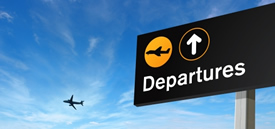 You can expect to pay between $60 and $80 NZD for a taxi to the city, and between $30 and $40 per person for a shuttle bus.
Regular, affordable transport options make it easy to get from Auckland Airport to your accommodation. However, if you are lost or confused about which mode of transport will suit your needs, simply ask one of the friendly staff members at the visitor information kiosks around the airport.
You can expect to pay between $60 and $80 NZD for a taxi to the city, and between $30 and $40 per person for a shuttle bus.
Regular, affordable transport options make it easy to get from Auckland Airport to your accommodation. However, if you are lost or confused about which mode of transport will suit your needs, simply ask one of the friendly staff members at the visitor information kiosks around the airport.
 When this fails, you can always point to something which looks good on the menu or market stalls!
Unlike the tourist frequented restaurants, these eateries will not have credit card facilities so it's important to have cash at the ready to settle the bill.
You'll find these small restaurants and open-air stores in side streets and alleys throughout Hong Kong. So leave the well-trodden paths of Lan Kwai Fong and Knutsford Terrace behind and experience Hong Kong the way locals do. With all the cash you'll save, you can afford a lavish meal at one of Hong Kong's most luxurious restaurants later in your stay!
When this fails, you can always point to something which looks good on the menu or market stalls!
Unlike the tourist frequented restaurants, these eateries will not have credit card facilities so it's important to have cash at the ready to settle the bill.
You'll find these small restaurants and open-air stores in side streets and alleys throughout Hong Kong. So leave the well-trodden paths of Lan Kwai Fong and Knutsford Terrace behind and experience Hong Kong the way locals do. With all the cash you'll save, you can afford a lavish meal at one of Hong Kong's most luxurious restaurants later in your stay!
 [/caption]
Speaking of those snakes, you can meet some of those too. Spectacular Jumping Crocodile Cruises has a large collection of pythons which they'll happily pass around to any brave guests. If you do hope to handle a snake make sure you're not wearing sunblock, perfume, or insect repellent. These products can offend the snakes' delicate sense of smell, and you really don't want to do that!
Spectacular Jumping Crocodile Cruises cost $35 for adults and $20 for kids, including complimentary tea and coffee. Discounted family, group, and senior passes are also available. The cruises last for one hour and leave at 9 am, 11 am, 1 pm, and 3 pm every day.
[/caption]
Speaking of those snakes, you can meet some of those too. Spectacular Jumping Crocodile Cruises has a large collection of pythons which they'll happily pass around to any brave guests. If you do hope to handle a snake make sure you're not wearing sunblock, perfume, or insect repellent. These products can offend the snakes' delicate sense of smell, and you really don't want to do that!
Spectacular Jumping Crocodile Cruises cost $35 for adults and $20 for kids, including complimentary tea and coffee. Discounted family, group, and senior passes are also available. The cruises last for one hour and leave at 9 am, 11 am, 1 pm, and 3 pm every day.