Seoul, is regarded as one of the most expensive cities in the world, but don’t let that deter you from traveling to the South Korean capital.
Frugal holidaymakers can still save money in this city by following our advice.
Seoul's sticky summer heat is only exemplified by the many tourists that visit in June and July. Those crowds drive the prices of all services sky-high, so you're better traveling in fall or spring. You'll save money, and enjoy a more temperate climate.
Seoul's public transport system is also relatively inexpensive, and an excellent way to explore the city. Westerners will find the subway system most useful as, unlike the bus network, all station names and transit signs are written in English. If you plan on spending some time in Seoul it's smart to buy a rechargeable transport card. The fare will be automatically deducted whenever the card is presented.
Taxis are also not as pricey as you might imagine, so they're a good option if there isn't a subway station nearby. Expect to pay around $2.15 US for the first two kilometers you travel, and an extra 10c for every 114 meters thereafter.
Seoul's inner-city hotels offer some great deals on weekends, but they're a bit expensive during the week when businessmen are in town. That's when mid-range chains downtown, such as the Novotel and Marriott, offer the best prices.
You needn't go hungry while staying in Seoul, as traditional comfort food like noodle soups and stir fries are very cheap and filling. Dine with the college kids at Let’s Eat Alley, or grab a quick meal from a street vendor at Sinchon Street. Remember that tipping is not expected either; a thank you is all that's required for good service!
Historical sites and museums are amongst Seoul's cheapest tourist attractions. You can easily spend a whole day at
The National Museum of Korea, the sixth-largest museum on the planet. It's home to the world's oldest printed scripture, giant Buddha statues, ancient porcelain jars and paintings. And if you visit on the fourth Saturday of the month, it's free.
The Gyeongbokgung Palace is one of the oldest in Korea, and one of the most
beautiful buildings in Asia. It dates back to 1395, and the gate guard change and other daily ceremonies offer some insight into its history. You'll need at least three hours to explore the buildings and gardens. Admission to the palace equates to less than $5 US, and seniors and children under six can see it for free. If you have time, the National Folk Museum and National Palace Museum are also inside the palace grounds.
So as you can see, it's possible to stay, eat, and play in Seoul without breaking the bank.
 [/caption]
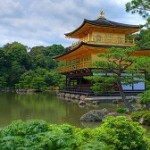
Changeokgung Palace is one of South Korea's five grand palaces, but it's the one that most princes of the Joseon Dynasty liked the best. It's not hard to see why. Its secret garden was a favorite place for archery games and fireworks displays, with its lotus ponds and landscaped lawns. The building itself strives to blend in to its natural surrounds, a revolutionary idea for 1405. Sadly much of the palace was destroyed during the Japanese occupation of Korea, so only about a third of its structures remain.
It may not have the rich history of the other buildings we’ve mentioned, but that's no reason to dismiss Coconut Palace in The Philippines. This palace was built under the order of former First Lady Imelda Marcos for Pope John Paul II's 1981 visit. The octagon-shaped building is an excellent example of Filipino design, with its body of hardwood and materials derived from the coconut. There are even more coconuts inside, with coconut chandeliers and furniture inlaid with coconut shells. This quirky building is easily accessible for tourists as it's part of Manila Bay's cultural center complex.
So make sure you get out of the bustling cities while you're traveling around Asia; there are some stunning architectural marvels just waiting to be explored.
[/caption]
Changeokgung Palace is one of South Korea's five grand palaces, but it's the one that most princes of the Joseon Dynasty liked the best. It's not hard to see why. Its secret garden was a favorite place for archery games and fireworks displays, with its lotus ponds and landscaped lawns. The building itself strives to blend in to its natural surrounds, a revolutionary idea for 1405. Sadly much of the palace was destroyed during the Japanese occupation of Korea, so only about a third of its structures remain.
It may not have the rich history of the other buildings we’ve mentioned, but that's no reason to dismiss Coconut Palace in The Philippines. This palace was built under the order of former First Lady Imelda Marcos for Pope John Paul II's 1981 visit. The octagon-shaped building is an excellent example of Filipino design, with its body of hardwood and materials derived from the coconut. There are even more coconuts inside, with coconut chandeliers and furniture inlaid with coconut shells. This quirky building is easily accessible for tourists as it's part of Manila Bay's cultural center complex.
So make sure you get out of the bustling cities while you're traveling around Asia; there are some stunning architectural marvels just waiting to be explored.
 [/caption]
Foodies in China willingly risk hepatitis, typhoid, and dysentery for a taste of blood clams. The danger comes from the bacteria the clams harbor which often survives the boiling process. Sadly there's no safe way to go about trying the treats as they're banned in the country, although you can buy them on the black market. If you're brave prepare to pay exorbitant prices and risk serious illness!
The South Korean delicacy of sannakji is the tamest dish on this list, but it's certainly not for the faint hearted. It's actually raw baby octopus served up still squirming about on your plate! Seafood doesn't come much fresher than that! The danger comes from the octopus' suction caps, which can latch onto your mouth or throat and cause choking. Make sure you take small bites and chew each one thoroughly to minimize the risks.
[/caption]
Foodies in China willingly risk hepatitis, typhoid, and dysentery for a taste of blood clams. The danger comes from the bacteria the clams harbor which often survives the boiling process. Sadly there's no safe way to go about trying the treats as they're banned in the country, although you can buy them on the black market. If you're brave prepare to pay exorbitant prices and risk serious illness!
The South Korean delicacy of sannakji is the tamest dish on this list, but it's certainly not for the faint hearted. It's actually raw baby octopus served up still squirming about on your plate! Seafood doesn't come much fresher than that! The danger comes from the octopus' suction caps, which can latch onto your mouth or throat and cause choking. Make sure you take small bites and chew each one thoroughly to minimize the risks.

 International ferries are another, less expensive option for tourists exploring Northern Asia. Ferries to Incheon leave from around 10 Chinese ports, while ferries from Russia travel to Sokcho in Gangwon-do province and ships from Japan travel to the international ferry terminal near Jungang subway station in Busan. Prices vary according to the quality of accommodation provided. The cheapest fare is likely to offer only a thin mattress in dormitory style lodging, while the most expensive tariffs might buy a small cabin with a television. Children and students often receive discounts, making ferry trips an economical traveling option for young people and families.