Tourists visiting India are often shocked by the number of beggars in the major tourist centers.
Tag: travel tips
-
Tourist Tips for Dealing with Beggars in India
Their presence is somewhat confronting, especially if you hail from an affluent part of the world, but by following a few simple tips they need not detract from your vacation experience. Beggars are most prevalent in tourist areas, as these people look to take advantage of unknowing visitors. Many congregate around tourist attractions, shopping districts, and railway stations. You might also see them near major traffic intersections, where they approach stationary cars at traffic lights. While beggars in Western countries are generally homeless people, this is not always the case in India. Beggars often make more money than they would in paid employment, and so opt to walk the streets. As a rule, you should ignore any beggar who seems healthy and able bodied to avoid being exploited. Of course, it can be more difficult to disregard a beggar if they are handicapped, elderly, or very young. In these instances it's often better to give food rather than money which may be spent on alcohol, or end up in the pockets of parents. Do not be suckered in too easily though. Beggars often go out with children and babies that aren’t there own to play on Western sympathies. If you would like to give money, always make sure it is a small amount. Between two and 10 Indian rupees is an appropriate sum. Otherwise you may attract more beggars who hope to share in your wealth. It's also wise to hand over money as you are leaving an area rather than arriving; loitering will also attract more beggars. Remember that while you may have a generous spirit, there are many beggars in India. It would be impossible to help them all, so you should not attempt to try. While it may seem cruel, it is often best to ignore India's beggars and focus on all of the wonderful sites this country has to offer. -
Travel Safety Tips for Your Papua New Guinea Vacation
If you’re tired of the tourist centers of Oceania, a visit to Papua New Guinea can prove exhilarating.
With virtually no tourism infrastructure, the country offers a truly authentic South Pacific experience. However, this wild and untamed allure means visitors should take a few extra safety precautions. Before embarking on your journey, consider protecting yourself against some of the more serious diseases found in the country. Vaccinations for Hepatitis A and B and typhoid fever are recommended. If you are visiting the southern part of PNG, including Port Moresby, consider adding the vaccination for Japanese B encephalitis to your list of jabs. While urban centers including Port Moresby, Lae, and Mt Hagen have a reputation for high levels of crime, you should not let that stop you experiencing all the country has to offer. Tourists are rarely victims, and using common sense should ensure you don't fall prey to the country's bandits, known as raskols. Visit heavily populated areas, as you are unlikely to encounter trouble with crowds around you. It's also wise to downplay your wealth; keep cameras hidden away and flashy jewelry to a minimum. It's smart to keep around K50 in your pocket to appease any would-be thieves. Stash the rest of your money discreetly away in a shoe or money belt. Papua New Guinea’s mosquitoes generally prove to be more of a problem for travelers than bandits. While their bites and buzzing can be an annoyance, there is a more serious side to mosquitoes as they can spread malaria and Dengue fever. Cover yourself in insect repellent to minimize the chance of bites and illness.
Papua New Guinea has its fair share of land and sea nasties. Its home to a handful of dangerous snakes, including the death adder and taipan, although these reptiles will not attack unless provoked. Be careful when walking in areas with limited visibility, such as long grass or leaf covered ground, as you may startle these dangerous creatures. If you are bitten apply a compression bandage and stay still until medical help arrive. Major medical centers are well stocked with antivenins to deal with these emergencies.
It’s common to encounter leeches when hiking through Papua New Guinea's jungle areas. While they are generally not dangerous, they can cause bleeding when removed. Insect repellent can help to ward them off, while insecticide can aid in their removal.
Crocodile attacks are uncommon, but you should heed local warnings to ensure you don't become one of the rare victims. Jellyfishes should also be avoided when swimming, as their stings can be painful. Sea snakes and poisonous cone shells are also common in coral reefs, so keep your eyes peeled on diving expeditions.
All of these dangers can seem overwhelming, but by exercising caution travelers can stay safe and enjoy their Papua New Guinea vacation.
Papua New Guinea’s mosquitoes generally prove to be more of a problem for travelers than bandits. While their bites and buzzing can be an annoyance, there is a more serious side to mosquitoes as they can spread malaria and Dengue fever. Cover yourself in insect repellent to minimize the chance of bites and illness.
Papua New Guinea has its fair share of land and sea nasties. Its home to a handful of dangerous snakes, including the death adder and taipan, although these reptiles will not attack unless provoked. Be careful when walking in areas with limited visibility, such as long grass or leaf covered ground, as you may startle these dangerous creatures. If you are bitten apply a compression bandage and stay still until medical help arrive. Major medical centers are well stocked with antivenins to deal with these emergencies.
It’s common to encounter leeches when hiking through Papua New Guinea's jungle areas. While they are generally not dangerous, they can cause bleeding when removed. Insect repellent can help to ward them off, while insecticide can aid in their removal.
Crocodile attacks are uncommon, but you should heed local warnings to ensure you don't become one of the rare victims. Jellyfishes should also be avoided when swimming, as their stings can be painful. Sea snakes and poisonous cone shells are also common in coral reefs, so keep your eyes peeled on diving expeditions.
All of these dangers can seem overwhelming, but by exercising caution travelers can stay safe and enjoy their Papua New Guinea vacation.
-
Respecting Vietnamese Culture – Dos and Donts for Your Vietnam Vacation
Vietnam is a safe and friendly country, but its unique culture can come as a shock to foreign travelers.
As with entering any country, it’s important to be sensitive of these customs and do your best to fit in. The advice you'll find here will help you avoid making any embarrassing faux pas. Friendliness is something the Vietnamese people pride themselves on, and you will never see one drop this happy façade in public. Travelers should do the same and avoid losing their temper, especially when bargaining in the markets or dealing with members of the hospitality industry. This kind of scene is interpreted as a loss of face for both parties. Vietnamese people dress conservatively, particularly by Western standards. While in summer it's especially tempting to wear singlet tops and shorts, the locals frown on foreigners who show too much skin. It's particularly important to dress modestly when visiting pagodas and other religious sites, as the Vietnamese see the wearing of immodest clothes in these sacred places as offensive.[caption id="attachment_1430" align="alignright" width="150" caption="Visit Vietnam"] [/caption]
This call for modesty extends to the wearing of jewelry or carrying of large sums of money. It is considered impolite to flaunt your wealth, and on a practical level it may make you a target for pick-pocketing.
It also extends to behavior. While public displays of affection are accepted in the Western world, they are frowned upon in Vietnam. A couple may hold hands, but they should only hug and kiss behind closed doors.
If you strike up a friendship with one of the locals there are some rules to remember when visiting their home. Shoes should be left at the front door before entering. Most Vietnamese homes have a family altar, a place where they can honor their ancestors and consult them on important family matters. Visitors should never sleep or sit with their feet pointing towards this family altar.
It is also considered impolite to snap a person's photo before asking them. Many locals will be happy to star in your shot, but some will not. It's important to respect the wishes of any unwilling models. You should not push the issue or offer them money in an attempt to change their mind. You should also never take a photograph of a military installation, officer, or anything else to do with Vietnam's military. This may be seen as a security breach, and dealt with accordingly. While you may want to preserve your entire vacation, you should leave your video camera at home when visiting small villages. The locals consider these modern devices to be intrusive.
There is a lot to remember when visiting Vietnam, but don't worry if you get it wrong. The Vietnamese people will appreciate your efforts and forgive any indiscretions.
[/caption]
This call for modesty extends to the wearing of jewelry or carrying of large sums of money. It is considered impolite to flaunt your wealth, and on a practical level it may make you a target for pick-pocketing.
It also extends to behavior. While public displays of affection are accepted in the Western world, they are frowned upon in Vietnam. A couple may hold hands, but they should only hug and kiss behind closed doors.
If you strike up a friendship with one of the locals there are some rules to remember when visiting their home. Shoes should be left at the front door before entering. Most Vietnamese homes have a family altar, a place where they can honor their ancestors and consult them on important family matters. Visitors should never sleep or sit with their feet pointing towards this family altar.
It is also considered impolite to snap a person's photo before asking them. Many locals will be happy to star in your shot, but some will not. It's important to respect the wishes of any unwilling models. You should not push the issue or offer them money in an attempt to change their mind. You should also never take a photograph of a military installation, officer, or anything else to do with Vietnam's military. This may be seen as a security breach, and dealt with accordingly. While you may want to preserve your entire vacation, you should leave your video camera at home when visiting small villages. The locals consider these modern devices to be intrusive.
There is a lot to remember when visiting Vietnam, but don't worry if you get it wrong. The Vietnamese people will appreciate your efforts and forgive any indiscretions.
-
See New Zealand On a Budget – Money Tips for New Zealand Travel
Once considered a budget location, the growing strength of the New Zealand dollar has seen prices in the country rise.
But if you know how, you can make your money go further in the Land of the Long White Cloud. New Zealand's extreme sports are amongst the country’s most expensive. It'd be a shame to miss out on these famous adrenalin-pumping activities altogether, but if you want to get your blood pumping on a daily basis you might struggle. Spend some time online researching the activities before you leave to know how much you can expect to pay. Plan ahead and choose perhaps one or two extreme adventures that really interest you. New Zealand has many tourist attractions which are either free or close to it. Consider hiking through the national parks, browsing art galleries and museums, or simply walking about New Zealand's cities. New Zealand's famous food is another luxury that could end up costing you plenty. Big breakfasts at trendy inner city cafes can easily cost more than $16, while main meals at high-end restaurants start at around $30. If you hope to sample some of New Zealand’s iconic sauvignon blanc with your meal, that’s an additional expense to factor in. To cut costs consider cooking your own meals in your hotel rooms or on public barbeques, and buying your wines directly from the cellar door.
Accommodation can also add to the cost of your New Zealand trip. To save cash consider staying in fewer locations; many hotels and motels will offer discounted rates for travelers staying for extended periods. If you'd prefer to vacation on the move consider hiring a campervan or RV.
It'd be a shame to deprive yourself of all New Zealand has to offer in an attempt to save cash, but some careful planning can ensure you don't spend more than you have to.
New Zealand's famous food is another luxury that could end up costing you plenty. Big breakfasts at trendy inner city cafes can easily cost more than $16, while main meals at high-end restaurants start at around $30. If you hope to sample some of New Zealand’s iconic sauvignon blanc with your meal, that’s an additional expense to factor in. To cut costs consider cooking your own meals in your hotel rooms or on public barbeques, and buying your wines directly from the cellar door.
Accommodation can also add to the cost of your New Zealand trip. To save cash consider staying in fewer locations; many hotels and motels will offer discounted rates for travelers staying for extended periods. If you'd prefer to vacation on the move consider hiring a campervan or RV.
It'd be a shame to deprive yourself of all New Zealand has to offer in an attempt to save cash, but some careful planning can ensure you don't spend more than you have to.
-
How to Bargain – A Guide to Shopping in Asian Markets
The busy markets of Asian nations like Thailand and Vietnam are a mecca for bargain shoppers, but the culture shock of bargaining can scare some foreign tourists.
The process won’t be so daunting if you follow these simple tips. It's good to get a feel for the markets before you commit to your first purchase. Spend some time walking around, perusing the wares and watching other shoppers bargain for the best price. This will give you some sense of what items are worth, and what sellers may be willing to settle for. It's also important to choose the optimum time to shop. Many sellers may be willing to discount goods in the late afternoon, particularly if they have not had a successful day. Surprisingly the early morning can also be a good time to shop, as some marketeers may reward their first customers with some bargains. Once you've found the perfect item, make sure you keep your composure. It's best to feign disinterest and inquire about several items rather than zeroing in on the one you covet. Make your first offer very low, as the seller will typically drive this cost up before you reach an agreement. It's also advisable to bargain away from other customers if you can; a shop owner may be willing to offer a larger discount if other potential buyers don't know about it! Buying several goods from the same market stall can also be to your advantage. One tactic is to begin bargaining for one item, then ask the seller what discount you could receive if you buy more. Another is to suggest a small complimentary item could help to seal the deal. Above all, it's important to remember that those selling in the markets expect you to bargain with them. They may protest and declare that you are sending them broke, but it’s all part of the game. Hold your nerve and enjoy the rewards of this unique Asian shopping experience! -
Weather in Japan – The Best Times to Visit Asia
Japan experiences four distinct seasons, including very cold winters and hot and steamy summers.
Knowing what to expect at different points in the year will help you plan your Japanese getaway. Winter in Japan typically lasts between December and February. If it's skiing and other alpine sports you're after, traveling to Northern Japan or the Sea of Japan coast during these months is a must. To enjoy a milder winter consider staying in the south. With spring's arrival in March, Japan's weather begins to warm and the famous cherry blossoms begin to bloom. However, this is a slow and gradual process so you'll still need to carry some cold weather clothes when traveling from March to May. Light coats and sweaters can help you cope with cold snaps and chilly nights without taking up too much space in a suitcase. Note - ever consider a job in Japan teaching English? If so, check our partner site JobMonkey! Japan enjoys summer from June to August. The season typically starts with a month or so of rain, known as tsuyu, before the weather clears. To escape the dreary weather consider holidaying on the island of Hokkaido, the only place in Japan immune to the tsuyu. Once the rainy season is over Japan's summer weather is often not much more pleasant, with the temperatures soaring as high as the humidity. You'll find the most comfortable conditions in the mountains and Hokkaido.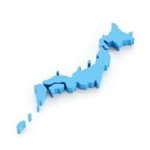 It's advisable to avoid Japan in September when typhoon season is at its peak. Wild weather along the coasts of Okinawa, Shikoku, and Kyushu can affect all of Japan. The good news is that once the typhoons clear, they leave perfect fall conditions. In October and November the weather is temperate, and the landscape is ablaze with the rich earthy colors of autumn. Just as you would in spring, it's advisable to bring light jackets and sweaters to wear on cooler fall days.
-
Wine Travel Tips – How to Transport Wine from Australia and New Zealand
The wonderful wineries of Australia and New Zealand are a must see for any tourist traveling to the Southern Hemisphere.
Most tourists will want to take a bottle or two home as a souvenir of their stay, but it can be confusing to know how to transport this precious cargo. By following these simple tips, you can guarantee that your wine will arrive home in the same condition it left the vineyard. If you're traveling in a hire car, the natural instinct of most drivers is to store the wine in the trunk. However, this area of the car can get very hot and cause the wine to spoil. A much better option is to keep the wine inside the car for the air conditioning to cool it. Just as you shouldn't store wine in the boot, you shouldn't store wine in the sun. Wine left in a parked car will also become overheated, so once your day of wine tasting is done make sure you take your purchases into your hotel. Ideally your wine should not roll about your vehicle. This movement can interfere with the natural aging process. If buying a small quantity of wine, ask the winemaker whether he can spare a box. This will generally have partitions inside so bottles sit securely and do not clink together. As you visit other wineries, you can then put your new purchases inside the same box. If your car isn't full, you could even secure the box in place with a seatbelt. While it's tempting to toast to your return home, it's much better to wait. Just as we suffer jet lag, wine experiences a kind of travel "bottle shock." It will taste much better once it's had a few days to recover. -
Staying Safe in Australia – Tips for Dealing with Deadly Wildlife Down Under
Australia has a reputation as a dangerous destination, with creepy crawlies and biting monsters around every corner.
But you needn’t worry about the snakes, spiders, sharks and other nasties Down Under if you follow some simple advice. Australia is home to the ten deadliest snakes in the world, including the fierce snake, commonbrown, and taipan. If you’re visiting Australia’s cities though, such as Perth, the only place you'll come across them in the zoo. If you're venturing into Australia's rural areas though, make sure you always wear closed shoes. As Australia's snakes are timid, they are likely to slither away from harm once they hear your footsteps. If you do see a snake though, it’s important to stay still. They will only attack if they feel threatened, so wait until they pass before continuing your journey. Spiders are less of a concern in Australia, with only the funnelweb and redback varieties considered dangerous. However, all Australian spiders have venom and are capable of giving a nasty bite! To ensure you're not a victim, always shake your shoes before putting them on. Covered footwear is advisable when walking outside, particularly at night. Don't leave towels and clothes on the floor, as spiders are known to settle inside them. [caption id="attachment_3396" align="alignright" width="150" caption="A fierce snake, the deadliest snake in the world"] [/caption]
Do not let the risk of a shark attack stop you from enjoying Australia's beautiful beaches. Most major beaches have shark nets installed to prevent swimmers from coming face to face with these ocean predators. By sticking to patrolled areas, and obeying instructions from the lifeguards, you are likely to stay safe.
Crocodiles are also not a threat in most parts of Australia. While salties and freshwater crocs are common in the Northern Territory and the northernmost tip of Queensland, they do not live in Australia's most common tourist areas. Crocodile habitats in these locations are often signposted, but when in doubt tourists should resist the urge for a dip. Public beaches and waterholes are the best places to cool off up north.
As a rule, Australia's animals should be admired from a safe distance. While some spiders, snakes, and other creatures are not dangerous it’s best to err on the side of caution. Attacks and injuries from Australia’s native wildlife are rare. However, if you are in trouble call the emergency services number 000 from any phone immediately.
[/caption]
Do not let the risk of a shark attack stop you from enjoying Australia's beautiful beaches. Most major beaches have shark nets installed to prevent swimmers from coming face to face with these ocean predators. By sticking to patrolled areas, and obeying instructions from the lifeguards, you are likely to stay safe.
Crocodiles are also not a threat in most parts of Australia. While salties and freshwater crocs are common in the Northern Territory and the northernmost tip of Queensland, they do not live in Australia's most common tourist areas. Crocodile habitats in these locations are often signposted, but when in doubt tourists should resist the urge for a dip. Public beaches and waterholes are the best places to cool off up north.
As a rule, Australia's animals should be admired from a safe distance. While some spiders, snakes, and other creatures are not dangerous it’s best to err on the side of caution. Attacks and injuries from Australia’s native wildlife are rare. However, if you are in trouble call the emergency services number 000 from any phone immediately.
-
Save Money On Travel This Memorial Day Weekend
Nearly a third of the people enjoying Memorial Day weekend will be traveling. Don’t get stuck overpaying for last minute travel plans, but check out these great ways to save money on Memorial Day weekend. Last minute travel doesn’t have to be expensive. By using travel auction sites such as Travel Zoo, Orbitz, Expedia, Kayak, Travelocity and Hotwire, you can find deals on hotels, car rentals and flights. Other great travel tips for drivers this Memorial Day weekend include advice like traveling when it’s cooler and turning the Air Conditioning off. This will help you save gas. Also, make sure the air pressure in your tires is correct. This will also help you save money on gas and reduces travel emissions because your MPG is more efficient. Car pooling is another great way to save money on weekend trips this Memorial Day weekend. FrugalMonkey hopes these basic travel tips will help you enjoy your Memorial Day weekend.
Enjoy!