FrugalMonkey Discount Travel News

Tag: Asia travel

  • See China’s Leshan Dafo, The Giant Carved Buddha

    The Great Wall of China isn’t the only giant historic site in China. In the Mount Emei Scenic Area, near the city of Leshan in the Sichuan province, you’ll find Leshan Dafo, or the Leshan Giant Buddha.

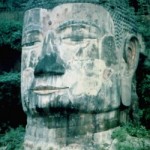
    This seated stone sculpture was carved from a cliff face during the Tang Dynasty. It was the brainchild of the Chinese monk Haitong, who believed the giant religious carving would calm the area's rivers. It seems he may have been right. Today the Minjiang, Dadu, and Qingyi rivers flow gently by the Giant Buddha's feet. Skeptics may say the stone used to create the Buddha found its way into the waters, thereby altering their currents. But true believers feel it was the Buddha's religious influence that made these waters safe for ships. The enormous size of the Buddha renders tourists awestruck. His head reaches the top of the cliffs. The smallest toenail on his eight-meter feet can easily hold a seated person. His 28-meter hands have three-meter long fingers.giant chinese buddha But the Leshan Buddha isn't just large; it's also an impressive feat of early architecture. His coiled hair features more than 1000 buns. Hidden gutters and channels scattered behind his ears, in his arms, and the folds of his clothing carry rainwater. This mechanism, which keeps the inner parts dry, has helped protect the Leshan Buddha for thousands of years. However, the efforts of the early craftsman couldn't save the Leshan Buddha from the modern world. Air pollution and acid rain caused sooty marks and erosion, although the site has been recently been restored. Ferries traveling to Leshan Port to Yibin City, Luzhou City and Chongqing City all bypass the Leshan Giant Buddha site. Alternatively, tourists can catch a train from Leshan to Emei station. This is located about six miles from the Mount Emei Scenic Area.

  • How to Stay Safe in Vietnam | A Guide For Female Travelers

    Women in the West enjoy many freedoms not experienced by girls in many global destinations.


    While this shouldn’t deter female travelers from exploring exotic locales such as Vietnam, girls should follow a few simple rules to ensure they stay safe and have fun on their Asian vacation.

    Vietnamese women dress modestly, and tourists should try to do the same. Wearing tight or skimpy clothes may be seen as provocative, and a sign that you do not respect local culture. Instead, choose conservative clothes that are relatively loose fitting and comfortable to wear. When visiting holy places and national monuments, female tourists should dress even more sedately. When stopping by these significant cultural spots, it’s customary to cover both arms and legs, even in warm weather.

    Vietnamese men are not accustomed to women enjoying the independence of female travelers from Western countries. When dealing with them, it’s important to be inconspicuous, yet assertive. Do not be confrontational, but do be firm and confident. As most Vietnamese women do not travel alone, you are likely to be a source of interest and curiosity to the country’s men. They are likely to ask questions about your home, your family, and even your marital status. If the attention of these men is unwarranted, you may consider telling a small lie about an imaginary husband. It’s also important to consider that some Vietnamese men may interpret eye contact as a sexual invitation. Wearing sunglasses to disguise your eyes helps to prevent this confusion.
    girlmap

    As with traveling to any unfamiliar countries, you should also undertake basic precautions. Leave a copy of your itinerary with a trusted friend or relative, and contact them at regular intervals. Be aware of your luggage and other bags at all times, and never leave them unattended. Most vacation spots in Vietnam are considered safe for travelers, although pick-pocketing is rife in tourist centers and Ho Chi Minh City has a problem with bag snatching. As a precaution, consider staying at up market hotels and always lock valuables in their safes.

    Be alert and aware and sensitive of your surroundings, and you will enjoy your vacation in Vietnam.

  • Chaos on the Water at Thailand’s Floating Markets

    In Thailand farmers and craftsmen don’t take to the streets to sell their wares. They get on the water in the country’s famous floating markets.


    Here sellers with boats piled high with exotic fruits and vegetables, flowers, and other fresh produce meet fellow traders and barter their wares. It’s colorful and chaotic, but also great fun, and something you’ll remember from your Thailand vacation.

    The markets are a reminder of simpler times. Contemporary grocery and department stores have largely replaced these traditional bazaars, but those that remain are a highlight for the country’s visitors. In fact, the Thai government, recognizing their potential for generating tourist revenue, is attempting to revive previously abandoned floating markets.

    Thailand’s most popular and largest floating market is Damnoen Saduak, which is located at Ratchaburi, about 101 kilometers west of the Bangkok. You may have already spotted it on postcards or documentaries, but this doesn’t compare to the noise and excitement of seeing it for yourself. A little closer to the capital, tourists will find The Taling Chan market every weekend, and the Wat Sai market in Bangkok’s Thonburi district. Both are significantly smaller than Damnoen Saduak, but on a positive note they don’t see the same amount of tourist traffic.
    floatingmarkets

    If you hope to see the floating markets you’ll need to get up early. Most start at dawn and wind up by mid-morning. If you hope to be amongst the action, you might consider hiring a long-tailed boat for the day. Alternatively, many tour companies run trips to the Damnoen Saduak markets. Most of these day trips include transfers from your accommodation in Bangkok and stopovers at other nearby attractions.

  • Hit the Slopes at South Korea’s Ski Resorts

    It doesn’t have the global reputation of Aspen in the United States or Cerro Catedral in Argentina, but many tourists and locals flock to the ski resorts of South Korea every winter.


    The country’s snow season generally commences in the middle of November or early December, and lasts until March or April.

    A trip to the Korean snowfields is unlike any other skiing vacation. Rather than communing with nature and enjoying the wide open spaces as with many North American resorts, you’ll spend your time racing down the slopes to a throbbing K-pop soundtrack. The runs are groomed, and often packed with artificial snow and plenty of nervous yet enthusiastic Koreans.

    The country has 12 premier ski resorts, mostly located in the Gangwon-do Province. This area gets the greatest snowfall, but it takes some time for tourists to get to. While skiing enthusiasts never mind the trip, those looking for a quick weekend getaway are more likely to frequent the resorts found around the suburbs of Seoul. Some of the area’s most popular slopes are at Yangji Pine Resort, with its illuminated ski runs and mogul course, and Konjiam Resort, the largest ski resort near Seoul. These are accessible by the capital’s public transport, so can generally be reached in an hour or two.skilift
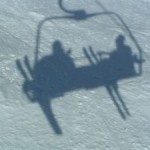
    It’s not necessary to take your own skiing equipment to South Korea, as most have rental facilities. Resorts commonly allow night skiing, and have designated areas for sledding. The resorts also have instructors for beginners, but international travelers should beware. Many speak very little English, so these lessons can be challenging.

    The heavy snowfalls of Gangwon-do see its ski season start before the others, and last longer. Some of the most popular skiing spots in the area include Yongpyong Resort, often referred to as The Alps of Korea, Daemyung Vivaldi Resort, the first in the country to offer all-night skiing and a haven for young skiers, and Phoenix Park Ski Resort, a popular spot for snowboarding. The province offers many mountains of various heights, perfect for skiers or snowboarders of all experience levels.

    When it’s not snow season, most resorts continue to operate as regular accommodation options.
  • Go Green with a Cycling Vacation Through Vietnam

    biketourIf you want to see the real Vietnam, forget the tour buses and get on your bike! While the motorized excursions zoom through the countryside on the way to major tourist centers, an eco-friendly cycling journey allows you to stop and smell the paddy fields.

    As cycling is the locals main form of transportation, it’s a great way to interact with the natives. While their grasp of English may be limited, particularly in the country areas, locals are friendly and always willing to chat with tourists. Trips through rural communities allow you to meet the rice farmers and their buffalo at work in the fields, while rides through the cities let you experience Vietnamese life at a faster pace.

    Traffic in Vietnam can be daunting, so it’s important to keep your wits about you. Remember that the Vietnamese always drive on the right side of the road, so if you stay there you won’t get into trouble.

    As cycling vacations require you to carry your luggage with you, it’s clear that you’ll need to travel light. Thankfully clothing and other basics are inexpensive in Vietnam, so you can easily buy what you need along the way. In many cases, it’s actually cheaper to buy new than have your clothes laundered.

    You should make room in your travel bag for basic bicycle tools. While local repairmen will happily fix your bike, the repairs will often be below Western standards. If you’ve got the means, it’s often easier to do the job yourself.

    You can happily explore Vietnam on your own, but guided tours are also available. These expeditions generally provide bikes which are of a higher standard than many available locally. They also provide a support vehicle, which can be a welcome relief when your legs get tired. Meals and an English-speaking guide are just a couple more perks. World Expeditions runs 15-day cycling tours, which travel from Hanoi in the north to Ho Chi Minh in the south, while Grasshopper Adventures takes a slightly different route. Its 13-day adventure starts at Hanoi and weaves down to Saigon.