FrugalMonkey Discount Travel News

Category: Trip Locations

  • Bargain Clothes Shopping in Melbourne – Cheap Buys in Australia’s Fashion Capital

    Melbourne is considered Australia’s fashion capital, but it’s easy to spend a fortune while shopping for that new season wardrobe on exclusive Chapel Street and the Bourke Street Mall. Travelers on a budget needn’t miss out on the goods though. The Victorian capital has many funky clothing stores just made for frugal travelers.

    Vintage shopping is a great way to save cash and enjoy stylish, timeless looks. American Rag at Southgate has a great selection of second-hand apparel from the 40s and 50s. Accessorize with the store’s hats, gloves, and bags for the finishing touch.

    Best Dressed is another great vintage option, especially for label lovers. The Armdale boutique carries plenty of big names including Prada, Gucci, and Yves Saint Laurent, all for a fraction of their original prices.

    High end designers and household names come together under the one roof at DFO, which stands for Direct Factory Outlets. You’ll find these malls located at the city’s South Wharf, and in the Melbourne suburbs of Essendon and Cheltenham. If you don’t mind small imperfections or old season stock you can save up to 70% on clothes from leading Australian labels including Charlie Brown, Trent Nathan, and Seafolly.Australia piggy bank

    Kids aren’t forgotten either in Melbourne. Peek A Boo Market and Vinegar and Brown Paper both have a great selection of affordable clothes for babies and toddlers. Many mothers are loathe to invest in designer apparel for their kids, knowing that they’ll grow out of the items before the season ends. The bargain prices at both stores make those big name brands seem a bit more reasonable.

    No matter what you’re in the market for, Melbourne is a great place for indulging in some new clothes without spending a fortune.

  • Guide to the French West Indies

    As a Francophile, I’m partial to island getaways that give me a chance to use my French and introduce me to another facet of Francophone culture. That’s why I am consistently drawn to the chain of islands in the Caribbean ocean frequently referred to as the French West Indies (“les Antilles” in French). Here is an overview of three of the major French-speaking islands in the Caribbean to help you plan your next island adventure. If traveling on a budget is your thing, then you will want to spend most of your time on Martinique and Guadeloupe, seeing as St. Barth’s is one of the most expensive islands in the Caribbean.

    Martinique

    One of the most popular destinations in the French West Indies, Martinique is known for its unique history, rich culture, delicious seafood cuisine, and lively nightlife scene. Because the island receives so much rainfall each year, the vegetation is lush and abundant. The island’s main crops include sugar cane, bananas and pineapples, all of which appear in the local cuisine.

    One of the most famous sites in Martinique is the active volcano, Montagne Pelée, that erupted in the early 20th century, destroying the town of St. Pierre and killing all of the city’s inhabitants except for one man, a criminal, who was protected by his jail cell.

    Other activities in Martinique include sink your toes into black volcanic sands on the island’s numerous beaches, hiking through the tropical rainforest, strolling through the outdoor markets, or perusing the creations of local artists and craftspeople at the various art galleries in the cosmopolitan capital city of Fort-de-France.

    Fort de France photo
    The cathedral in Fort-de-France (Martinique) is one of the most famous tourist destinations in the city.

    Guadeloupe

    The largest of the three islands in the French West Indies discussed in this post, Guadeloupe, which has traditionally been an agrarian island, has become increasingly more tourist-oriented over the past ten years. The white sand beaches are now frequented by local vendors who sell beach wear (swimsuits, pareos, etc.), jewelry, souvenirs and refreshments to tourists; likewise, more beachfront hotels are being constructed to accommodate the increase in tourism. Like most beaches in the French Antilles, the ones in Guadeloupe are topless.

    Guadeloupe is split into two main sections. The rainforest side is home to the island’s best beaches. You can also visit several rum distilleries (and sample their wares, of course). On the volcano side of the island, there are plenty of opportunities for hiking, snorkeling or scuba diving. The lively capital city of Port-au-Prince is home to some of the best restaurants in the Caribbean.

    St. Barth (St. Barthélémy)

    St. Barth’s (short for St. Barthélémy) is the smallest island in the French West Indies and has the reputation for being the friendliest. It is also, by far, the most expensive island in the Caribbean (in terms of food, lodging and shopping prices). But, you get what you pay for and the restaurants and accommodations are top-notch. Unlike Martinique and Guadeloupe, everyone speaks English on St. Barth, especially in the sophisticated capital city of Gustavia, which makes St. Barth’s a very easy and relaxing place to visit.

  • Cheap Stay at Japan’s Internet Cafes – Affordable Accommodation at Manga Kissa

    Internet cafes have become refuges for travelers keen to catch up with what’s happening back home and stay in touch with loved ones.


    But in Japan, they’re also a cheap place to stay. When all you need is entertainment and a roof over your head, this budget accommodation option begins to look very appealing.

    Japanese internet cafes, sometimes called manga cafes or manga kissa, have been expanded to include showers and private cubicles. There are no beds, so you probably won’t enjoy the best night’s sleep of your stay, but for as little as 1000 yen a night, or around $12 US, you won’t find a cheaper accommodation in Japan. Not even Japan’s capsule hotels are as affordable! Some café chains require membership and a small registration fee to bunker down, but if cost is key it’s still worth paying this additional expense.

    You might catch forty winks in the comfortable chairs, but the rest of your stay you’ll probably take advantage of the facilities. Your tariff will cover the cost of your internet usage and access to the café’s library of manga comic books. Many cafés also offer unlimited sodas and coffee to their patrons, and some even have television sets.Hotel sign with mouse

    The lack of beds means that an internet café probably won’t be your only accommodation while in Japan, but they’re a great option for short stopovers, or when you start to run low on yen!

  • Making Your Australian Dollar Go Further on the Gold Coast

    Tourists traveling to Australia in pursuit of sun, surf, and sand inevitably end up on the Gold Coast. Just the name of this Queensland district makes you think of the area’s famous golden beaches. Of course, like any tourist trap a stay here can be expensive. However by heeding these simple tips you can make your money go further on the Gold Coast.

    Most Gold Coast tourists stay in Surfer’s Paradise. Its summery name is designed to lure you in, and empty your bank account. Coolangatta doesn’t have such a glamorous moniker, but it is much quieter and cleaner. It’s also right on the beach, and much closer to the airport.

    Komune is the pick of Coolangatta’s budget accommodation. It’s classed as a hostel, but don’t let that scare you. It’s quite modern and it offers beach views and a pool, all for the bargain price of around $30 for a dorm bed.

    Spending time at the beach is the ultimate frugal day out. You can visit any of the Gold Coast beaches for nothing and swim in the ocean, laze on the sand, and simply watch the world go by. These beaches don’t have a worldwide reputation for nothing!

    But you can’t spend all your time by the shore. No stay in the Gold Coast is complete without a theme park visit, but with tickets costing around $75 a piece they can be pricey. If you’re going to do it, I suggest doing it right and hiring a Q4U. Dreamworld has just introduced the gadget which allows you to book time on the park’s most popular rides and get VIP treatment. You’ll need to spend $10 to hire the device, but you’ll avoid spending hours waiting in queues. When you’re paying a hefty admission price, you want to experience as many rides as you can.

    After a day’s adventure it’s time to continue the party on The Big Night Out. This backpackers excursion takes in some of the hottest nightclubs in Surfers Paradise. It costs just $30 to jump on board the party bus, which gives you free entry and a welcome drink at four different clubs. After that you’ll enjoy $5.50 drinks for the rest of your night. It’s a really cheap way to party in Australia!Australia piggy bank

    A big night out deserves a big breakfast the next day, and you can do it at Pancakes in Paradise. This café offers an all-you-can-eat stack and unlimited coffee refills for around $13. That should help to shake off the last of your hangover, so you can do it all over again!

  • Remember Mahatma Gandhi at India’s Free Museums

    While vacationing in India, it’s worth paying tribute to the “Father of the Nation,” the country’s peace-loving leader Mahatma Gandhi.

    Stop for a moment in Delhi to pay your respects at Gandhi Smriti, the site of Gandhi’s assassination. Gandhi lived here from September 1947 until his untimely death in January 1948. It’s free to step inside and view his few personal effects, the prayer ground where he led a congregation every evening, and the statues and paintings created to honor his memory.

    Nearby Raj Ghat is Gandhi’s final resting place. A headstone with his last words, “Hey Ram,” or “Oh God” marks Gandhi’s cremated remains, along with a flame which burns eternally. Major ceremonies to remember Gandhi take place here on his birthday, October 2, and January 30, the day of his death and Martyr’s Day. If you can’t time your visit for one of these dates, you can attend the one of the ceremonies held every Friday.

    Across the road from the memorial you’ll find The Gandhi Memorial Museum. This free museum houses many key artifacts, including the gun and bullets used during Gandhi’s assassination, the shawl and dhoti he wore during his last moments, and one of his walking sticks. In addition to the museum’s permanent collection, it also showcases traveling exhibitions concerning India’s history and peace movements.

    Mani Bhavan in Mumbai is another fantastic free museum for Gandhi enthusiasts. Gandhi stayed in this historic building whenever he visited Mumbai between 1917 and 1934. See the room where he slept, and the terrace where he was arrested for sedition in 1932.

    Mahatma Gandhi may be gone, but so long as tourists continue to visit these important Indian museums and sites he’ll never be forgotten.

  • Tour Tokyo’s Imperial Palace – Free Guided Japan Walking Tour

    A trip to Tokyo’s Imperial Palace should be on the itinerary of every tourist who wants to learn more about Japan’s history and culture.

    The Imperial Palace was formerly the site of Edo Castle, the residence of the Tokygawa shogun who ruled Japan from 1603 to 1867.

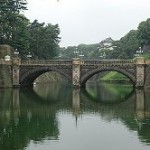
    Today it's home to the Emperor of Japan. Moats and stone walls help to isolate it from the rest of Tokyo. The palace is closed to the public, except on the New Years Greeting on January 2 and the Emperor's birthday on December 23. However tourists can visit on most weekdays by joining a guided tour. Palace staff members conduct tours of its grounds at 10 am and 1:30 pm on weekdays, except during special occasions. The guides speak Japanese, but are happy to provide a complimentary English pamphlet and audio recording Westerners can follow along. Each tour takes around 75 minutes to complete. The tour is free, but visitors must be approved by the Imperial Household Agency before entering the palace grounds. However thanks to an online form, this is a fairly simple process. However, it should be completed before you leave for Japan to ensure adequate time for processing. Allow five to ten minutes to walk from Tokyo Station to Kikyomen gate. Palace officials will check off your name before permitting you to enter the grounds. The first stop is Someikan Hall, where guests can watch an information video and grab a few Japanese mementos at the souvenir shop. [caption id="attachment_5493" align="alignright" width="150" caption="Nijubashi Bridge at the Tokyo Imperial Palace"]Nijubashi Bridge at the Tokyo Imperial Palace[/caption] Highlights of the tour include the Chowaden, the longest of the palace's seven buildings, the views from Tetsubashi Bridge, the much-photographed Nijubashi Bridge, and the tree-lined Yamashitadori Street. The palace is particularly pretty during spring when the cherry blossoms are in bloom. The Imperial Palace may disappoint some tourists who have seen Japan's stunning temples and beautiful gardens. Its style is quite simple and plain in comparison. However it's worth seeing for its historical and cultural significance, especially considering that it's free to join the tour.

    [Image Source: David Sanz/Flickr]

  • Stay Safe on Australian Beaches – Sharks, Sunburn, and Other Aussie Hazards

    When tourists think of Australia they think of three words: sun, surf, and sand. And it’s not hard to see why..

    Not only are Australia's beaches beautiful, they're also free for visitors to enjoy. Whether you're learning to surf or lazing about, it's easy to spend a few days soaking up the atmosphere. However there are a few tips that foreigners should follow if they want to stay safe on an Aussie beach. Unless you're a very strong swimmer, you should visit a patrolled beach. It'll offer great peace of mind to know that lifeguards are on hand should you get into trouble. You shouldn't have any such concerns though if you swim between the red and yellow flags. This marked area is the safest part of the beach, free from underwater currents, submerged rocks, and other hazards. If you do happen to swim out into one of the underwater currents, known locally as rips, it's important to stay calm. Your natural instinct may be to fight and swim against the undertow, but this can get you into more trouble. Instead swim across it to safety. If you are a strong swimmer, don't be afraid to visit one of Australia's unpatrolled beaches. These areas are often far less crowded, so they're very appealing to surfers and anyone who enjoys the quiet. Without a lifeguard to look out for you, it's a good idea to swim with a friend. Its also smartest to swim away from rocky areas. Some patrolled beaches also have signs warning travelers of any dangers, including poisonous jellyfish and sea snakes. [caption id="attachment_3507" align="alignright" width="150" caption="Whitehaven Beach in Queensland"][/caption] Australia's dangerous animals are always of concern to foreign travelers, but the locals know these creatures rarely cause trouble. The poisonous blue ringed octopus lives in rock pools, and venomous stonefish can often be seen on rocks, but they won't harm you unless provoked. Many beaches also have nets to prevent sharks and jellyfish reaching beach goers. And finally, don't underestimate the power of the Australian sun. Make sure to apply sunscreen regularly, and wear a T-shirt, hat, and sunglasses while you're on the shore. Rash shirts can also offer some extra protection while you're enjoying the waves. These sun smart precautions can ensure you don't leave Australia with a nasty sunburn or worse!

  • Celebrate Songkran – Thailand’s Wet New Year Festival

    The revelry of New Year’s Eve may be far behind the Western world, but now Thailand’s gearing up for its annual celebrations..

    The Thai New Year is known as Songkran, and it's celebrated every year from April 13 to April 15 with plenty of free fun. Songkran is often called the Water Festival, so you'd best come prepared for a dousing. The Thai people believe that water will cleanse them of bad luck, so they spend the three days getting wet and wild in preparation for a successful New Year! It's not just the people that get washed down at Songkran. Other rituals look to purify Thailand for the New Year, from cleaning houses to washing down statues of Buddha. Young Thais also show their respect for their elders by uttering blessings and cleansing their hands with scented water. This practice is thought to banish negative thoughts and actions. The first day of Songkran is called Wan Sungkharn Long. On this day the Thai people offer alms and food to the monks at their local Buddhist temple before returning home to clean their houses. On the following day, called Wan Nao, the Thais return to the temples. They build small pagodas from sand called chedis and clean the temple's sacred objects with water. And finally there is Wan Payawan, when the fun really begins! .[caption id="attachment_5450" align="alignright" width="150" caption="Wet fun in Thailand's streets at Songkran"]Wet fun in Thailand's streets at Songkran[/caption] Unless you want to be soaked to the skin, you'd best stay indoors on the final day of Songkran. The Thai people wander the streets looking for dry souls to saturate with ice-cold buckets of water and the spray of water pistols. Remember that this is all in fun, and even if you would prefer to stay dry you should accept the pranks in the spirit they were intended Songkran is a time for family, so many Thais leave the cities to return to the provinces they grew up in. This leaves major tourist areas, including the capital city of Bangkok, much quieter than usual. If you like to avoid crowds, this is the time to see the big cities. However remember that as Songkran is an official Thai holiday, its government institutions including banks and post offices are closed for the festival's entirety. Plan ahead and you'll have a great time during Songkran, no matter where you're enjoying it.

    [Image Source: Wyndham Hollis/Flickr]

  • Celebrate the Holi Festival in India

    India is gearing up for the Holi Festival, a carefree two-day event which celebrates the triumph of good over evil, and looks forward to a successful springtime harvest ahead. It is celebrated on the day following March’s full moon. In 2011 the event will be held on Sunday, March 20 in most parts of India, although East Indian towns including West Bengal celebrate a day early.

    The Holi festival was first conceived when the demoness Holika was burned to death. This allowed the Indian people to devote themselves to the holy Hindu god, Lord Vishnu. The ritual is remembered at modern celebrations with large bonfires.

    It’s not hard to see why the Holi Festival is often called the Festival of Colors. Colored powder and water is thrown about, leaving Indian cities and their people looking like a rainbow. This practice pays homage to Lord Krishna, a reincarnation of Lord Vishnu who would mischievously throw water and colors at local girls. It’s great fun if you don’t mind being messy and soaked through! Just remember to wear old clothes, as the colors often refuse to budge. Rubbing coconut oil onto your hair and skin can also prevent the dyes absorbing.

    A paste made from cannabis called bhang is also traditionally enjoyed during the Holi festival. The drug is mixed in drinks and used as an ingredient in pakoras and vadas. Just be careful, as bhang is very intoxicating!

    You’ll find Holi Festival events in most tourist cities in India, although some locations celebrate more enthusiastically than others. Celebrations are traditional and quite subdued in Mathura and Vrindavan, but loud and proud in Delhi. Culturally rich revelry in the towns of Shantiniketan and Purulia in West Bengal are a real spectacle, and in Jaipur the event is run alongside an elephant festival!

    Painted girls at India's Holi Festival
    Painted girls at India's Holi Festival

    Most events during Holi are free, so celebrating along with the locals is a great way for frugal travelers to spend their time. Just remember to be on your guard if you’re a single woman. While most Indians are friendly and relaxed during festival time, the combination of alcohol and bhang can make some men dangerous. Traveling with a group of friends, ideally including some men, can help women stay safe in India during Holi Festival time.

    [Image Source: Chris Willis/Flickr]

  • Designing a Custom Culinary Tour on a Budget

    There are lots of travel companies out there that charge big bucks for “customized” culinary or wine tours of a specific region.

    A consummate foodie who usually travels on a budget, I frequently drool over the descriptions of these tours while simultaneously starting woefully at my bank account balance. While many of these culinary tours are wonderful experiences, they are, without a doubt, hard on the budget. One day it dawned on me that, with a little planning and foresight, I could plan my own culinary trip. In this post, I give you some tips for designing your own culinary tour on a budget. Besides the obvious financial benefits of designing your own tour, you can truly customize the experience because, well, you’re the tour guide.
    • Choose a destination with a rich culinary culture. This may seem like an obvious piece of advice, but it’s important that you do a bit of preliminary research on various places to determine whether or not the culinary or wine culture is rich and varied enough to base an entire trip on. Of course, places like New York, France, Italy or Napa Valley jump to mind, but there are loads of other options. For example, Spain’s Basque region is home to unique culinary traditions, and many places throughout the U.S. (such as Minneapolis) have become havens for chef-owned restaurants. So, you don’t necessarily need to stray that far from home (which can be easier on the budget).
    • Determine your priorities. What do you want to experience? Are you most interested in where food/wine comes from (the agricultural aspects)? Perhaps you’d like to visit some farms or vineyards. Is restaurant dining your passion? Then you’ll most likely want to spend most of your time eating out. Is cooking your passion? You should concentrate on identifying opportunities for meeting chefs or taking a cooking class or two. Do you like to shop and prepare your own food while traveling? Then you’ll no doubt be visiting local specialty food shops and markets.
    • Ask like-minded travelers to share in the adventure. Culinary travel is more fun (and more budget-friendly) when you can share the experience with a travel partner or a group. Ask some of your fellow foodies to come along with you. Some of the more obvious benefits include being able to share appetizers and a variety of dishes at restaurants (being able to try a lot of different things without breaking the bank) and having someone who can help you remember the name of that delicious wine you tried during your vineyard tour. [caption id="attachment_5444" align="alignright" width="300" caption="Touring a vineyard and attending a wine tasting can be a fun, educational part of a custom culinary tour on a budget."]Travel to Chablis photo[/caption]
    • Research opportunities at your location based on your foodie priorities. Now that you’ve established your priorities, the real research begins. Search for farms or vineyards that offer tastings and private tours. Scour the Internet for restaurant reviews, locations and menus. Identify chefs you’d like to meet (if possible) or cooking schools in the area. Find out what types of specialty food shops or outdoor markets are at your destination. I think it’s helpful to organize this information in an Excel file or some other document. Make note of the opening hours of restaurants and markets and contact information for all of the places you’re interested in visiting.
    • Make reservations far in advance. It’s best to secure reservations for restaurants, tours and classes as far in advance as you possibly can, especially for popular destinations.
    • Be ready to roll with the punches. In addition to bringing your appetite you should also bring patience and a sense of humor. As with any trip, the best laid plans don’t necessarily guarantee 100% success. However, if you look at mishaps/miscommunications as opportunities instead of disappointments, you’ll get a lot more out of the experience. If a restaurant loses your lunch reservations, just think of it as a great excuse to try some of the excellent street food the area is known for.