FrugalMonkey Discount Travel News

Category: Oceania

  • Travel Safety Tips for Your Papua New Guinea Vacation

    If you’re tired of the tourist centers of Oceania, a visit to Papua New Guinea can prove exhilarating.

    With virtually no tourism infrastructure, the country offers a truly authentic South Pacific experience. However, this wild and untamed allure means visitors should take a few extra safety precautions. Before embarking on your journey, consider protecting yourself against some of the more serious diseases found in the country. Vaccinations for Hepatitis A and B and typhoid fever are recommended. If you are visiting the southern part of PNG, including Port Moresby, consider adding the vaccination for Japanese B encephalitis to your list of jabs. While urban centers including Port Moresby, Lae, and Mt Hagen have a reputation for high levels of crime, you should not let that stop you experiencing all the country has to offer. Tourists are rarely victims, and using common sense should ensure you don't fall prey to the country's bandits, known as raskols. Visit heavily populated areas, as you are unlikely to encounter trouble with crowds around you. It's also wise to downplay your wealth; keep cameras hidden away and flashy jewelry to a minimum. It's smart to keep around K50 in your pocket to appease any would-be thieves. Stash the rest of your money discreetly away in a shoe or money belt.papua new guinea trip advice Papua New Guinea’s mosquitoes generally prove to be more of a problem for travelers than bandits. While their bites and buzzing can be an annoyance, there is a more serious side to mosquitoes as they can spread malaria and Dengue fever. Cover yourself in insect repellent to minimize the chance of bites and illness. Papua New Guinea has its fair share of land and sea nasties. Its home to a handful of dangerous snakes, including the death adder and taipan, although these reptiles will not attack unless provoked. Be careful when walking in areas with limited visibility, such as long grass or leaf covered ground, as you may startle these dangerous creatures. If you are bitten apply a compression bandage and stay still until medical help arrive. Major medical centers are well stocked with antivenins to deal with these emergencies. It’s common to encounter leeches when hiking through Papua New Guinea's jungle areas. While they are generally not dangerous, they can cause bleeding when removed. Insect repellent can help to ward them off, while insecticide can aid in their removal. Crocodile attacks are uncommon, but you should heed local warnings to ensure you don't become one of the rare victims. Jellyfishes should also be avoided when swimming, as their stings can be painful. Sea snakes and poisonous cone shells are also common in coral reefs, so keep your eyes peeled on diving expeditions. All of these dangers can seem overwhelming, but by exercising caution travelers can stay safe and enjoy their Papua New Guinea vacation.
  • Private Polynesian Luxury at Vanuatu’s Bokissa Private Island Resort

    Bokissa Private Island Resort in Vanuatu is a place where travelers can truly take it easy. Footwear isn’t compulsory, and formal uniforms of ties and jackets are actually banned!

    Free of these Western shackles, the private island’s guests can enjoy life at a much slower pace. And these tropical surrounds are a wonderful place to do it.

    Just step outside the door of your private bungalow, known as a fare, and you're on the beach. The sea breezes cool the cottages in spring and fall, but there's also air-conditioning for those balmy summer nights. Wood shutters ensure the early morning sun doesn't interrupt your beauty sleep, while the netted beds keep the island mosquitoes from biting. Each fare also has an ensuite bathroom, vanity, and minibar to satisfy your late night munchies. The centerpiece of the Bokissa Island Resort is a freshwater pool with a swim-up bar. Lazing about the pool, cocktail in hand, sounds like an excellent way to while away the hours. But your vacation on Bokissa Island doesn't have to be all about taking it easy. You could snorkel or scuba dive on the beach, take a boat out and fish for marlin, or explore the tropical rainforests. With Bokissa guests enjoying exclusive use of the island's 175 acres, there's plenty to discover. And with no more than 36 guests staying on the island at any one time, it's never hard to find some quiet time. Bokissa Private Island Resort offers accommodation, return airport transfers from Vanuatu, and all meals for approximately $300 per person per day. It’s not cheap, but it's quite reasonable for such luxury, exclusive accommodation.

  • Luxury Accommodation for Couples at Fiji’s Likuliku Lagoon Resort

    From a distance, Fiji’s Likuliku appears like an ancient Polynesian village. But get closer and you’ll find a resort that oozes modern luxury.

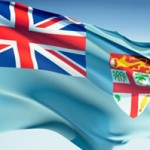
    Since openings its doors in 2007, this opulent resort in Fiji’s Mamanuca Islands has welcomed thousands of guests from all over the world. Likuliku Lagoon Resort is home to 45 bures, including the only over-water bures in Fiji. These opulent cottages are made with a mix of traditional methods and contemporary design. All have air-conditioning and stunning views of the ocean and coral lagoon nearby. While much of Fiji is family-friendly, this is a resort with a strict adults-only policy. While that might disappoint parents, loved-up couples should enjoy the tranquility and freedom that comes from a child-free environment. [caption id="attachment_2880" align="alignright" width="150" caption="The national flag of Fiji"]The national flag of Fiji[/caption] Likuliku recently added the title of Best Overseas Resort from Australia's Luxury Travel Magazine to its list of accolades. It was also named the best deluxe/unique accommodation in this year's AON Fiji Tourism awards. The warm and friendly staff members are a key reason for this success. They offer personalized service which helps guests feel like part of the Likuliku family. The resort's restaurant is also particularly noteworthy. Australian chef Brett Kryskow sources as many local ingredients as possible to ensure his dishes are fresh and connected to indigenous culture. The restaurant is located in the Central Facility, which also houses the guest lounge, boutique, and main bar. While the Central Facility is always a hive of activity, guests can also enjoy relaxing near the horizon-edge pool, the spa, or the beautiful Masima Island Bar. Likuliki Lagoon Resort is located 16 miles from Nadi International Airport. Guests can arrive via helicopter, seaplane, catamaran, or private speedboat. Rooms are not cheap, with prices starting at FJD$722, but this price buys real luxury. It also includes all meals and use of the resort's non-motorized activities.

  • Vacation on a Budget in Affordable Tonga

    The South Pacific has a reputation as a luxury holiday destination, with the prices to match. If you don’t want to abandon your dreams of a Pacific getaway but you’ve got a strict budget to follow, consider heading to Tonga.

    This island nation has a reputation as the best value destination in Oceania. While those with cash to spare can splurge on deluxe digs, there are a wide range of accommodation for travelers on a budget. There are many affordable options scattered around the islands including Otuhaka Beach Resort in Tongatapu, Paradise Hotel on Vava’u, and SandyBoyz Motel in the capital city, Nuku'alofa. They might not offer the most plush accommodation or all the modern conveniences, but these modest options have everything you really need in some beautiful locations. Travelers from the Northern Hemisphere are eligible for an Air Pass, which allows them to fly between the islands of Tongatapu, Vava'u, Ha'apai, and 'Eua for a fixed price. Tourists from the south can save cash by catching the inter island ferries. The sea journey is slower, but more affordable. Tongatapu has Tonga's most extensive bus network, although some buses also run on Vava'u and the tourist centers of Lifuka and Foa in Ha’apai. The bus stops of Tongatapu are marked by the word "Pasi"; elsewhere you’ll need to flag down a bus as you would a taxi. Bus fares are inexpensive, ranging from 50 seniti to T$2. There are many inexpensive activities to pass to your time in Tonga. Relaxing on the sandy beaches and swimming or snorkeling in the oceans around Tongatapu and Ha'apai is an easy way to pass the time. Visitors can immerse themselves in Tonga's history with a trip to the ancient Royal tombs at Lapaha and the Ha'amonga’a Maui trilithon, Tonga's answer to Stonehenge. The natural wonders of Tonga also cost nothing to enjoy. You can hike through the tropical rainforest at 'Eau or marvel at the massive volcanic crater on Tofua Island. One thing's for certain; even if you're not spending a lot of money in Tonga you certainly won't be bored!

  • Getting Around Vanuatu, A Guide to Transport in Vila and Luganville

    Many tourists are content to spend their Vanuatu vacation lazing by the pool of their resort with a cocktail in hand. But if you hope to explore, there are a few transport options worth considering.

    Vanuatu’s bus service may seem chaotic to Western tourists. The buses don’t run to any timetable, and there are no regular bus stops! But you’ll find many of these buses in the major tourist areas of Vila, Luganville, eastern Santo, and eastern Malekula.

    //

    Look for the vehicles bearing a red letter B near their numberplate, and flag them down as you would a taxi. As there are no set routes, the drivers will happily drive you to any destination on the island.

    The taxis in Vila and Luganville look like regular sedans, while in regional areas you’ll find four-wheel drive vehicles marked with a red letter T. The amount charged will depend on the distance you’re traveling, and the condition of the road. To avoid a nasty scare at the end of your journey, you can ask the driver before you set off. Taxis are scarce on Sundays and public holidays, so be prepared to wait longer when traveling on these days.

    If you’d prefer to take charge of your travel consider hiring a car or scooter. Cars are available to drivers aged 23 and over, while scooters are available for riders 17 and over. An international drivers license is not required, but drivers must have held a license in their own country for at least one year. The tourist centers of Vila and Luganville have a maximum speed of 50 km/h, but there are no speed limits in rural area. However as many roads are in poor condition, it’s not advisable to go too fast! Cars in Vanuatu travel on the right side of the road, and seatbelts are not compulsory.

  • Fun Vacations for the Family in Tropical Fiji

    If you want to treat your whole family to a South Pacific vacation, make sure you consider Fiji.

    While many island locations cater for couples, this is one country whose tourism industry puts family first. Many of the island's resorts have child-friendly clubs and activities designed to give mom and dad as much private time as they wish. The Shangri-La Fijian is one of the oldest resorts in Fiji, and one of the largest. The Shangri-La has its own island with a sheltered lagoon for safe swimming. There is also a children’s pool open during daylight hours, and a games room equipped with arcade games and snooker and table tennis tables. The biggest drawcard is the Children’s Stay and Eat for Free program. Under this scheme, up to two children under the age of 12 can stay and eat in selected restaurants within the resort for free. Another complimentary service is The Little Chief's Club. This program amuses children aged between two and 12 with a host of activities including sports, games, and lessons in Fijian culture. [caption id="attachment_3479" align="alignright" width="150" caption="The Lagoon Pool at the Shangri-La Fijian"]The Lagoon Pool at the Shangri-La Fijian[/caption] Not far from the Shangri-La you'll find the Hideaway Resort. There are some great family-friendly facilities here, including a waterslide, putt-putt golf course, and traditional craft classes. Its Hermit Kids Club offers personalized attention, with one staff member for every three children. The club leads children in a host of cultural activities, including rainforest walks, excursions to local villages, and fancy dress parades. A day trip on the Coral Coast Scenic Railway is great fun for the entire family. The revamped steam train runs from Cuvu Station, outside the Shangri-La, to Natadola Beach. Along the way you'll enjoy throwing precious candy to the village children who line the tracks. Once at the beach your guides will treat you to a barbeque lunch and Fiji's famous kava. You'll have time for a swim in the ocean before catching the train home. Another family favorite is Kulu Eco Park, Fiji’s only wildlife sanctuary. The park is home to many endangered animals, including the crested iguana and peregrine falcon. And of course, families vacationing in Fiji can also make their own fun enjoying the country's beautiful beaches and tropical weather.

  • Traditional Hangi, a Pacific Underground Feast

    A hangi is a traditional meal enjoyed in the island nations of New Zealand and the South Pacific. In Samoa it is called umu, and in Fiji it’s known as lovo.

    Hangi refers both to the food eaten, the method it is cooked, and the underground oven it’s cooked in.

    At a hangi, different meats and vegetables are wrapped in leaves or aluminum foil, then placed in a pit lined with hot stones. The parcels are covered with wet cloths and earth to trap the heat inside. The dishes then steam for several hours until the vegetables are flavorsome and the meats are fall-apart tender. Chicken, beef, fish, and kumera are traditional dishes served at a hangi. Today pork, lamb, potatoes, and pumpkin are also often prepared this way. The unconventional cooking method imbues the food with a delicious earthy, smoky flavor. The decision to cook food underground may seem unusual to Westerners, but it makes sense when understanding that the native Islanders believe that the earth gives all life. As all life comes from soil, it seems right to return that life-giving food to the earth. A hangi is a communal experience, where food is shared freely amongst old friends and new ones. Traditionally a hangi was reserved for special occasions where a village came together to celebrate. All members of the family would assist in the feast, with the men preparing the underground oven and the women tending to the food. [caption id="attachment_3379" align="alignright" width="150" caption="A Maori warrior"]A Maori warrior[/caption] Today many hotels and cultural villages in tourist towns regularly serve hangi feasts. These allow visitors to experience the country's culture, and are often accompanied by traditional music and dancing. Tourists can enjoy a hangi meal at many locations throughout New Zealand and the South Pacific including Tamaki Maori Village in the New Zealand city of Rotorua, Lalati Resort in Fiji, and Princess Tui Inn (NOTE: Fire destroyed the building in late 2010) in the Samoan beachside town of Apia.

    [Image Source: Geoftheref/Flickr]

  • Unspoiled Beauty of Yap, Micronesia’s Tropical Paradise

    With so much of the Pacific now transformed by tourism, the unspoiled wonder of Yap in Micronesia is even more enticing.

    This is the kind of place which gives us a glimpse into what all of the Pacific must have been like centuries ago.

    The locals don loincloths and hibiscus skirts. They build their houses from thatch and bamboo, and exchange currency made of stone. It might sound like something from The Flinstones, but Yap's stone money is used primarily for traditional reasons. Villages might give the large donut-shaped discs, which can weigh as much as five tons, as a gift to another village. The oversized coins are also used to buy canoes or land. While many Pacific Islanders invite tourists into their villages, the Yapese people are notoriously shy. However visitors to Micronesia can learn more about their way of life at the Bechiyal Cultural Center. One of the treats you'll experience here is the Betel nut, a food that is revered by the Yapese as Westerners do coffee. The nuts are dusted with dry coral lime, wrapped up in pepper leaves, and then crunched. The nuts give a mild high which lasts approximately 10 minutes. There's no hiding that you've had some either, as your lips will turn bright red! [caption id="attachment_3350" align="alignright" width="150" caption="A giant manta ray off the coast of Yap"]manta ray off coast of Yap[/caption] As you might imagine, the ocean surrounding Yap is as clear and untouched as dry land. Scuba divers enjoy swimming in the warm waters amongst giant manta rays, tuna, dolphins, and reef fish. Ocean kayak tours can also be arranged for travelers preferring to explore the ocean while staying dry. There are several small hotels in Yap, including The Pathways Hotel, Trader's Ridge Resort, and The Manta Ray Bay Hotel, the first dedicated dive resort in Micronesia. Continental Micronesia, a subsidiary of Continental Airlines, makes regular flights to Yap International Airport.

    [Image Source: Bartek.cieslak at pl.wikipedia]

  • Get Married in the South Pacific – Tropical Weddings in Oceania

    The South Pacific has become a hot destination for couples wanting to get hitched and enjoy their honeymoon at the same time. Most resorts in the Oceanic region offer wedding packages, with ceremonies typically performed on the tropical locale’s beaches.south pacific wedding

    A marriage license should be obtained on arrival in the South Pacific. This is generally a simple process, but both bride and groom must ensure they have their identity documents. These include a passport, certified copies of your birth certificate and, where applicable, copies of decrees of divorce or death certificates if widowed.

    Fiji is the most popular destination for South Pacific weddings. It has numerous resorts providing wedding packages, and many even have their own chapels. If you hope to invite more than 30 guests, a large resort is the best option.

    While the atmosphere may be less personal, these hotels are able to cater for a sizable party. For something more intimate, the smaller resorts on Fiji's outskirts are more appropriate. The Cook Islands' capital, Rarotonga, offers weddings at almost every resort. The packages are varied, offering everything from a traditional wedding on a beach, to a church wedding backed by a full choir or a private ceremony on an uninhabited isle. Samoa has a fledgling wedding industry, with only a handful of resorts offering beach weddings. These include Le Vasa Resort, Siufaga Beach Resort, and Le Lagoto Resort. While the back-to-basics style may not suit flashier couples, it's ideal for those looking for something low-key and romantic. Tahiti poses the most challenges for couples, with an exhaustive amount of paperwork required before the ceremony. Thankfully resort staff will be happy to help should you get stuck. The effort is worth it though, with Tahiti offering some of the most indulgent wedding packages in the South Pacific. Traditional ceremonies and dance performances are designed to make your big day memorable. Tonga is the most conservative island in the South Pacific, and as such it does not permit beach weddings. Instead Tonga encourages couples to have a Christian ceremony in one of the island’s many churches.

  • Stay in New Caledonia for Less – Your Budget Guide to the Isle of Pines

    The picturesque charms of the Isle of Pines, the southernmost tip of New Caledonia, attract travelers from far and wide.

    But most come away from their Oceanic vacation stay with a rather hefty bill. A getaway in the location known as the Jewel of the South Pacific doesn't have to cost the earth though, if you follow our advice. Rather than bunking down at one of the area's many resorts, consider camping at Roller Bay instead. Its beachfront views are just as good as you'll find in any luxury hotel, and with each site offering water and electricity you won't feel like you're slumming it. Each site has its own thatch covered table, but if you want to make new friends you can eat in the central dining area. You can prepare your own meals, but if you'd prefer to take it easy your hosts will happily whip up breakfast or dinner on a day's notice. You'll need to travel with your own tent, but the oceanside sunsets are free. [caption id="attachment_3231" align="alignright" width="150" caption="Beautiful Upi Bay in the Isle of Pines, New Caledonia"]Beautiful Upi Bay in the Isle of Pines, New Caledonia[/caption] If you plan to make your own meals, you'll need to be organized. The area has no supermarkets or stores, so you'll need to visit the weekly markets for your fresh fruit and vegetables. Local fishermen sell seafood, and there is a bakery but you'll need to get up early. Most days all the food is sold out by 11 am, so sleeping in is discouraged! Some of the greatest activities around the Isle of Pines won't cost you a cent. The weather is ideal for swimming all year round. If you have a snorkeling mask, you can take a look at the area's ocean residents, or you could simply enjoy a walk along the sea shore. With some careful planning, you can enjoy a stay in New Caledonia for much less than you'd think.