A visit to Asia wouldn’t be complete without taking in the breathtaking architecture of the continent’s palaces, temples, and castles.
 [/caption]
Changeokgung Palace is one of South Korea's five grand palaces, but it's the one that most princes of the Joseon Dynasty liked the best. It's not hard to see why. Its secret garden was a favorite place for archery games and fireworks displays, with its lotus ponds and landscaped lawns. The building itself strives to blend in to its natural surrounds, a revolutionary idea for 1405. Sadly much of the palace was destroyed during the Japanese occupation of Korea, so only about a third of its structures remain.
It may not have the rich history of the other buildings we’ve mentioned, but that's no reason to dismiss Coconut Palace in The Philippines. This palace was built under the order of former First Lady Imelda Marcos for Pope John Paul II's 1981 visit. The octagon-shaped building is an excellent example of Filipino design, with its body of hardwood and materials derived from the coconut. There are even more coconuts inside, with coconut chandeliers and furniture inlaid with coconut shells. This quirky building is easily accessible for tourists as it's part of Manila Bay's cultural center complex.
So make sure you get out of the bustling cities while you're traveling around Asia; there are some stunning architectural marvels just waiting to be explored.
[/caption]
Changeokgung Palace is one of South Korea's five grand palaces, but it's the one that most princes of the Joseon Dynasty liked the best. It's not hard to see why. Its secret garden was a favorite place for archery games and fireworks displays, with its lotus ponds and landscaped lawns. The building itself strives to blend in to its natural surrounds, a revolutionary idea for 1405. Sadly much of the palace was destroyed during the Japanese occupation of Korea, so only about a third of its structures remain.
It may not have the rich history of the other buildings we’ve mentioned, but that's no reason to dismiss Coconut Palace in The Philippines. This palace was built under the order of former First Lady Imelda Marcos for Pope John Paul II's 1981 visit. The octagon-shaped building is an excellent example of Filipino design, with its body of hardwood and materials derived from the coconut. There are even more coconuts inside, with coconut chandeliers and furniture inlaid with coconut shells. This quirky building is easily accessible for tourists as it's part of Manila Bay's cultural center complex.
So make sure you get out of the bustling cities while you're traveling around Asia; there are some stunning architectural marvels just waiting to be explored.
 [/caption]
And then there are the Cosplay restaurants, a phenomenon which began in Akihabara but has now spread around the world. The wait staff dress as anime styled French maids, and in some rare circumstances butlers. They play their roles well, making customers feel that they are not regular diners but the employers in their private home. Of course you'll be fed, but a meal here is about entertainment as much as filling your belly.
So give yourself over to the fantasy, and explore a world unlike your own in the Akihabara district.
[/caption]
And then there are the Cosplay restaurants, a phenomenon which began in Akihabara but has now spread around the world. The wait staff dress as anime styled French maids, and in some rare circumstances butlers. They play their roles well, making customers feel that they are not regular diners but the employers in their private home. Of course you'll be fed, but a meal here is about entertainment as much as filling your belly.
So give yourself over to the fantasy, and explore a world unlike your own in the Akihabara district.
 [/caption]
For interesting animals and plants, look to the Bonin Islands off the Japanese coast. These 30 different islands were formed long ago by an ancient volcano, and have since evolved in their own unique ways. The islands are home to more than 14 different animals and 100 unique plant species including the protected Ogasawara damselfly, the Japanese Woodpigeon, and the Bonin Flying Fox. Access is difficult though, so you’ll need to be keen. The Ogasawara Maru liner leaves from Tokyo Bay four or five times each month, and takes around 25 hours to reach its destination.
Tourists can feel like royalty traveling on the backs of
[/caption]
For interesting animals and plants, look to the Bonin Islands off the Japanese coast. These 30 different islands were formed long ago by an ancient volcano, and have since evolved in their own unique ways. The islands are home to more than 14 different animals and 100 unique plant species including the protected Ogasawara damselfly, the Japanese Woodpigeon, and the Bonin Flying Fox. Access is difficult though, so you’ll need to be keen. The Ogasawara Maru liner leaves from Tokyo Bay four or five times each month, and takes around 25 hours to reach its destination.
Tourists can feel like royalty traveling on the backs of  [/caption]
To walk the entire track would be a massive undertaking taking around six weeks. Most tourists instead opt for a shorter day visit or multi-day trek.
[/caption]
To walk the entire track would be a massive undertaking taking around six weeks. Most tourists instead opt for a shorter day visit or multi-day trek.  [/caption]
Foodies in China willingly risk hepatitis, typhoid, and dysentery for a taste of blood clams. The danger comes from the bacteria the clams harbor which often survives the boiling process. Sadly there's no safe way to go about trying the treats as they're banned in the country, although you can buy them on the black market. If you're brave prepare to pay exorbitant prices and risk serious illness!
The South Korean delicacy of sannakji is the tamest dish on this list, but it's certainly not for the faint hearted. It's actually raw baby octopus served up still squirming about on your plate! Seafood doesn't come much fresher than that! The danger comes from the octopus' suction caps, which can latch onto your mouth or throat and cause choking. Make sure you take small bites and chew each one thoroughly to minimize the risks.
[/caption]
Foodies in China willingly risk hepatitis, typhoid, and dysentery for a taste of blood clams. The danger comes from the bacteria the clams harbor which often survives the boiling process. Sadly there's no safe way to go about trying the treats as they're banned in the country, although you can buy them on the black market. If you're brave prepare to pay exorbitant prices and risk serious illness!
The South Korean delicacy of sannakji is the tamest dish on this list, but it's certainly not for the faint hearted. It's actually raw baby octopus served up still squirming about on your plate! Seafood doesn't come much fresher than that! The danger comes from the octopus' suction caps, which can latch onto your mouth or throat and cause choking. Make sure you take small bites and chew each one thoroughly to minimize the risks.
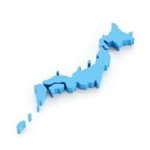 It's advisable to avoid Japan in September when typhoon season is at its peak. Wild weather along the coasts of Okinawa, Shikoku, and Kyushu can affect all of Japan. The good news is that once the typhoons clear, they leave perfect fall conditions. In October and November the weather is temperate, and the landscape is ablaze with the rich earthy colors of autumn. Just as you would in spring, it's advisable to bring light jackets and sweaters to wear on cooler fall days.