FrugalMonkey Discount Travel News

Tag: free tourist attractions

  • See Butterflies for Free at Bangkok Butterfly Garden and Insectarium

    There’s something magical about spending time with butterflies, and in Thailand you can do it for free at the Bangkok Butterfly Garden and Insectarium.

    The butterfly garden is an enclosed space, so at any one time more than 500 butterflies may be fluttering about your head. Some of the most spectacular varieties include the large Golden Birdwing, the delicate Siam Tree Nymph, and the Giant Silkworm Butterfly.

    It might seem a bit cruel to keep butterflies cooped up for their short lives, but this spot is so beautiful I hardly think the insects mind. The 1100 square meter enclosure is decorated with rockeries, flowers and ferns, and even a cascading waterfall for them to play in. The plants are labeled with their names in English, Thai, and Latin, so no one need miss out.butterfly

    You’ll learn plenty watching the butterflies at play, but an informative indoor display complements this. The exhibition charts the life cycle of the vibrantly colored insects and offers other interesting facts.

    You’ll find Bangkok Butterfly Garden and Insectarium inside Rot Fai Park, next to Thailand’s Chatuchak Markets. Catch the subway to Chatuchack Park, and it’s just a short walk down Kampaengphet IV Road. The sanctuary is open every day but Monday from 8:30 am to 4:30 pm.
    [Image Source: Honey-bee/Flickr]

  • Remember Mahatma Gandhi at India’s Free Museums

    While vacationing in India, it’s worth paying tribute to the “Father of the Nation,” the country’s peace-loving leader Mahatma Gandhi.

    Stop for a moment in Delhi to pay your respects at Gandhi Smriti, the site of Gandhi’s assassination. Gandhi lived here from September 1947 until his untimely death in January 1948. It’s free to step inside and view his few personal effects, the prayer ground where he led a congregation every evening, and the statues and paintings created to honor his memory.

    Nearby Raj Ghat is Gandhi’s final resting place. A headstone with his last words, “Hey Ram,” or “Oh God” marks Gandhi’s cremated remains, along with a flame which burns eternally. Major ceremonies to remember Gandhi take place here on his birthday, October 2, and January 30, the day of his death and Martyr’s Day. If you can’t time your visit for one of these dates, you can attend the one of the ceremonies held every Friday.

    Across the road from the memorial you’ll find The Gandhi Memorial Museum. This free museum houses many key artifacts, including the gun and bullets used during Gandhi’s assassination, the shawl and dhoti he wore during his last moments, and one of his walking sticks. In addition to the museum’s permanent collection, it also showcases traveling exhibitions concerning India’s history and peace movements.

    Mani Bhavan in Mumbai is another fantastic free museum for Gandhi enthusiasts. Gandhi stayed in this historic building whenever he visited Mumbai between 1917 and 1934. See the room where he slept, and the terrace where he was arrested for sedition in 1932.

    Mahatma Gandhi may be gone, but so long as tourists continue to visit these important Indian museums and sites he’ll never be forgotten.

  • Tour Tokyo’s Imperial Palace – Free Guided Japan Walking Tour

    A trip to Tokyo’s Imperial Palace should be on the itinerary of every tourist who wants to learn more about Japan’s history and culture.

    The Imperial Palace was formerly the site of Edo Castle, the residence of the Tokygawa shogun who ruled Japan from 1603 to 1867.

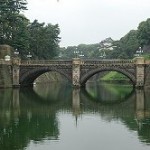
    Today it's home to the Emperor of Japan. Moats and stone walls help to isolate it from the rest of Tokyo. The palace is closed to the public, except on the New Years Greeting on January 2 and the Emperor's birthday on December 23. However tourists can visit on most weekdays by joining a guided tour. Palace staff members conduct tours of its grounds at 10 am and 1:30 pm on weekdays, except during special occasions. The guides speak Japanese, but are happy to provide a complimentary English pamphlet and audio recording Westerners can follow along. Each tour takes around 75 minutes to complete. The tour is free, but visitors must be approved by the Imperial Household Agency before entering the palace grounds. However thanks to an online form, this is a fairly simple process. However, it should be completed before you leave for Japan to ensure adequate time for processing. Allow five to ten minutes to walk from Tokyo Station to Kikyomen gate. Palace officials will check off your name before permitting you to enter the grounds. The first stop is Someikan Hall, where guests can watch an information video and grab a few Japanese mementos at the souvenir shop. [caption id="attachment_5493" align="alignright" width="150" caption="Nijubashi Bridge at the Tokyo Imperial Palace"]Nijubashi Bridge at the Tokyo Imperial Palace[/caption] Highlights of the tour include the Chowaden, the longest of the palace's seven buildings, the views from Tetsubashi Bridge, the much-photographed Nijubashi Bridge, and the tree-lined Yamashitadori Street. The palace is particularly pretty during spring when the cherry blossoms are in bloom. The Imperial Palace may disappoint some tourists who have seen Japan's stunning temples and beautiful gardens. Its style is quite simple and plain in comparison. However it's worth seeing for its historical and cultural significance, especially considering that it's free to join the tour.

    [Image Source: David Sanz/Flickr]

  • See Historic Ships for Free at Australian National Maritime Museum

    Australia’s historic ships and naval heritage are celebrated at the Australian National Maritime Museum.

    The museum’s galleries feature important documents and other relics from Australia’s maritime history. You can explore these displays at your own pace or join a free guided tour. The interactive touch screens in the museum’s foyer give times and information about this service along with other museum events and activities.

    But for most visitors, the most exciting parts of the museum are outside its halls. Several ships are docked in the harbor just outside, including the navy destroyer HMAS Vampire, the 1847 tall ship James Craig, the Blackmores First Lady sailed around the world by Australian solo voyager Kay Cottee, and a replica of the Endeavour, the ship that Captain James Cook traveled to Australia in.

    All those boats and talk of history can be a bit dry for the kids, so if you’re taking the family visit on Sundays or during school holiday periods. Extra activities including craft projects, story time, and games should keep children aged between five and 12 entertained. These sessions do attract an extra fee of $7 though, so they can get pricey if you have a large brood.

    The Australian National Maritime Museum's replica of the Endeavour
    The Australian National Maritime Museum's replica of the Endeavour

    The Australian National Maritime Museum is conveniently located on the western side of the bubbling Darling Harbour precinct. This tourist hub is easily accessible by Sydney’s bus, light rail, and monorail networks.

    The Australian National Maritime Museum is one of Sydney’s free museums, although special exhibitions and activities may attract a small fee. It’s open every day except Christmas from 9:30 am in the morning. The museum closes at 5 pm, except in January when it closes at 6 pm.

    [Image Source: Andy Mitchell/Flickr]

  • Free Art Galleries in Sydney, New South Wales

    It doesn’t cost a lot to get cultured in Sydney. Entry to most art galleries in the Australian tourist center is free!

    Some of Australia’s most famous artworks are housed in the Art Gallery of New South Wales, including pieces from 19th and 20th century masters Grace Cossington Smith, Sidney Nolan, and Russell Drysdale.

    The gallery is also home to the Yiribana Gallery, which celebrates Australian indigenous art. If you prefer something more modern, visit The Rocks' Museum of Contemporary Art. It's the only museum of its kind in Oz, so it's worth visiting if your tastes are cutting edge. While it's not as spacious as the big galleries, the Blender Gallery in Paddington is also worth a look; this space provides a temporary home for traveling rock-focused photography exhibitions. The Locksmith Project Space in Alexandria is another exciting small free gallery, which showcases experimental pieces including films and music. The life and work of one of Sydney's most talented artists, Brett Whitley, is showcased at his Surry Hills studio. His work, including many unfinished pieces, is displayed here in the building which served as his home and exhibition space. The Norman Lindsay Gallery and Museum in Faulconbridge is another site focusing on one of Sydney's favorite sons. Norman Lindsay shot to fame as the author and illustrator of the beloved Australian children's book The Magic Pudding. The gallery features works from this classic story, along with Lindsay's other key pieces. The Australian Galleries have so many local artworks that they needed six campuses to house them all: four in Victoria and two in the Sydney suburb of Paddington. The buildings on Glenmore Road and Roylston Street honor modern Aussie artists under the gaze of Stuart Purves, the son of the original curators.paintbrushes The Blacktown Arts Centre, Campbelltown Arts Centre, and Hawkesbury Regional Gallery are also great gallery options outside the city center. Some traveling exhibitions may incur additional costs, but it's possible to soak up plenty of Australian and international art for free in Sydney.

  • Chiang Mai’s Best Temples – See Buddhist Wats in Thailand

    The allure of Thailand’s markets and elephant parks is irresistible to tourists, but if you want to learn about the heart of this Asian nation you’ll need to travel to its temples, known as wats.

    These are hundreds of wats around the popular tourist town of Chiang Mai, and as their Buddhist residents want for little they're often free to visit. It may seem strange to visit a temple in ruins, but Wat Chedi Luang's rich history makes it worth a look. King Saen Muang Ma built the wat in 1391 to hold his father's ashes. His successors expanded the building, which eventually housed the holy Emerald Buddha. Earthquakes and Burmese invasion destroyed the wat, but it is still an active place of worship. It's inspiring to see the monks in their saffron robes continuing on despite Wat Chedi Luang's decay. Some parts have been reconstructed, but the historic ruins are arguably more beautiful. Right next door you'll find the smaller Wat Pan Tao. It has a subtler charm than the rest of Thailand's temples, but its wooden structure makes it unique. Lay people are invited to pray in the wooden wiharn, a relatively recent addition moved to temple grounds in 1875. Look for the gorgeous wooding carvings of peacocks and mythical creatures over the main doorway, and the flags and artifacts displayed inside. [caption id="attachment_5271" align="alignright" width="150" caption="Wat Chiang Man"]Wat Chiang Man[/caption] Nestled in the Doi Suthep Mountain to the west of Chiang Mai you'll find the wat which shares the summit's name. It's worth climbing the hundreds of steps to Wat Doi Suthep to see the multiple images of Buddha and feel the energy of the faithful followers. However if you're feeling particularly lazy you can always catch the cable car! If you only see one temple in Chiang Mai, make sure it's Wat Chiang Man. It was built in 1292, making it the oldest in the district. Its Lanna-style architecture has held up remarkably well over the years. The carved elephants which surround the main building and the ornate red roofs on the newer structures are particularly impressive. Remember though that wats are not simply tourist attractions; they are there to serve the local Buddhist community. You should respect local custom by wearing modest clothes and being quiet and reverential while on wat grounds.

    [Image Source: Cindy Andrie/Flickr]