With virtually no tourism infrastructure, the country offers a truly authentic South Pacific experience. However, this wild and untamed allure means visitors should take a few extra safety precautions.
Before embarking on your journey, consider protecting yourself against some of the more serious diseases found in the country. Vaccinations for Hepatitis A and B and typhoid fever are recommended. If you are visiting the southern part of PNG, including Port Moresby, consider adding the vaccination for Japanese B encephalitis to your list of jabs.
While urban centers including Port Moresby, Lae, and Mt Hagen have a reputation for high levels of crime, you should not let that stop you experiencing all the country has to offer. Tourists are rarely victims, and using common sense should ensure you don't fall prey to the country's bandits, known as raskols. Visit heavily populated areas, as you are unlikely to encounter trouble with crowds around you. It's also wise to downplay your wealth; keep cameras hidden away and flashy jewelry to a minimum. It's smart to keep around K50 in your pocket to appease any would-be thieves. Stash the rest of your money discreetly away in a shoe or money belt.
Papua New Guinea’s mosquitoes generally prove to be more of a problem for travelers than bandits. While their bites and buzzing can be an annoyance, there is a more serious side to mosquitoes as they can spread malaria and Dengue fever. Cover yourself in insect repellent to minimize the chance of bites and illness.
Papua New Guinea has its fair share of land and sea nasties. Its home to a handful of dangerous snakes, including the death adder and taipan, although these reptiles will not attack unless provoked. Be careful when walking in areas with limited visibility, such as long grass or leaf covered ground, as you may startle these dangerous creatures. If you are bitten apply a compression bandage and stay still until medical help arrive. Major medical centers are well stocked with antivenins to deal with these emergencies.
It’s common to encounter leeches when hiking through Papua New Guinea's jungle areas. While they are generally not dangerous, they can cause bleeding when removed. Insect repellent can help to ward them off, while insecticide can aid in their removal.
Crocodile attacks are uncommon, but you should heed local warnings to ensure you don't become one of the rare victims. Jellyfishes should also be avoided when swimming, as their stings can be painful. Sea snakes and poisonous cone shells are also common in coral reefs, so keep your eyes peeled on diving expeditions.
All of these dangers can seem overwhelming, but by exercising caution travelers can stay safe and enjoy their Papua New Guinea vacation.
It might not be as imposing as its big brother, the Milford Track, but it's much more achievable for novice adventurers. In fact, Kiwi explorer Sir Edmund Hillary called the path his favorite in the country.
It may be smaller than the Milford Track, but it's certainly not tiny. The track extends for 32 kilometers in the beautiful Mt. Aspiring National Park. Most hikers complete the course in around three days. There are four Department of Conservation sanctioned huts and two campsites for overnight stays on the Routeburn Track. Camping outside specific designated areas is prohibited.
Routeburn Track starts near the beech forests of Te Anau. Despite the natural surrounds, the path is clear and easy to walk. At least, it is at first. Soon the trail decides you've been taking it too easy, and punishes you with a series of hairpin bends.
Stick with it and you'll be rewarded with a scene which could easily have come from the pages of a fairytale. There are rows of identical mountains, each capped with snow, and cascading streams. If you're feeling thirsty don't hesitate to stop and take a sip; the water is clean and icy cold.
The final section is again challenging, with a downhill track which winds through more forests. Thankfully it all ends near the Glenorchy Pub. Clearly you'll have earned that pint of ice cold beer.
Hikers are free to walk Routeburn Track independently, but if you're not feeling confident you might consider joining a guided tour. Ultimate Hikes runs the only Department of Conservation approved tour concession for overnight guided walks on the track during peak season.
Bokissa Private Island Resort in Vanuatu is a place where travelers can truly take it easy. Footwear isn’t compulsory, and formal uniforms of ties and jackets are actually banned!
Free of these Western shackles, the private island’s guests can enjoy life at a much slower pace. And these tropical surrounds are a wonderful place to do it.
Just step outside the door of your private bungalow, known as a fare, and you're on the beach. The sea breezes cool the cottages in spring and fall, but there's also air-conditioning for those balmy summer nights. Wood shutters ensure the early morning sun doesn't interrupt your beauty sleep, while the netted beds keep the island mosquitoes from biting. Each fare also has an ensuite bathroom, vanity, and minibar to satisfy your late night munchies.
The centerpiece of the Bokissa Island Resort is a freshwater pool with a swim-up bar. Lazing about the pool, cocktail in hand, sounds like an excellent way to while away the hours.
But your vacation on Bokissa Island doesn't have to be all about taking it easy. You could snorkel or scuba dive on the beach, take a boat out and fish for marlin, or explore the tropical rainforests. With Bokissa guests enjoying exclusive use of the island's 175 acres, there's plenty to discover. And with no more than 36 guests staying on the island at any one time, it's never hard to find some quiet time.
Bokissa Private Island Resort offers accommodation, return airport transfers from Vanuatu, and all meals for approximately $300 per person per day. It’s not cheap, but it's quite reasonable for such luxury, exclusive accommodation.
Vietnam is a safe and friendly country, but its unique culture can come as a shock to foreign travelers.
As with entering any country, it’s important to be sensitive of these customs and do your best to fit in. The advice you'll find here will help you avoid making any embarrassing faux pas.
Friendliness is something the Vietnamese people pride themselves on, and you will never see one drop this happy façade in public. Travelers should do the same and avoid losing their temper, especially when bargaining in the markets or dealing with members of the hospitality industry. This kind of scene is interpreted as a loss of face for both parties.
Vietnamese people dress conservatively, particularly by Western standards. While in summer it's especially tempting to wear singlet tops and shorts, the locals frown on foreigners who show too much skin. It's particularly important to dress modestly when visiting pagodas and other religious sites, as the Vietnamese see the wearing of immodest clothes in these sacred places as offensive.[caption id="attachment_1430" align="alignright" width="150" caption="Visit Vietnam"][/caption]
This call for modesty extends to the wearing of jewelry or carrying of large sums of money. It is considered impolite to flaunt your wealth, and on a practical level it may make you a target for pick-pocketing.
It also extends to behavior. While public displays of affection are accepted in the Western world, they are frowned upon in Vietnam. A couple may hold hands, but they should only hug and kiss behind closed doors.
If you strike up a friendship with one of the locals there are some rules to remember when visiting their home. Shoes should be left at the front door before entering. Most Vietnamese homes have a family altar, a place where they can honor their ancestors and consult them on important family matters. Visitors should never sleep or sit with their feet pointing towards this family altar.
It is also considered impolite to snap a person's photo before asking them. Many locals will be happy to star in your shot, but some will not. It's important to respect the wishes of any unwilling models. You should not push the issue or offer them money in an attempt to change their mind. You should also never take a photograph of a military installation, officer, or anything else to do with Vietnam's military. This may be seen as a security breach, and dealt with accordingly. While you may want to preserve your entire vacation, you should leave your video camera at home when visiting small villages. The locals consider these modern devices to be intrusive.
There is a lot to remember when visiting Vietnam, but don't worry if you get it wrong. The Vietnamese people will appreciate your efforts and forgive any indiscretions.
With the Soccer World Cup coming to the African continent for the first time, South Africa is going to get soccer fans at home and abroad moving and grooving to the Diski Dance!
This dance was inspired by the way that soccer is played in Africa taking bits and pieces from street soccer that kids play and incorporating some interesting, uniquely African dance styles.
Diski dancing is something that everyone is encouraged to learn before heading to South Africa for the World Cup and various adverts are being played internationally on TV networks including CNN, BBC, Skysport, and Eurosport so that everyone can learn the moves. If you learn it well enough you should think about jobs in dance when you return home!
The passionate spirit of the entire Africa continent will exude with Diski dancing and it is expected that Diski dancing will be done during the opening ceremony, at matches, at the fan parks, and even in the streets. The rhythm of the African people is something that visitors will not forget any time soon, and as the advert slogan says, "Come and feel it!"
Where there is dancing, one has to have music, and one of the iconic South African instruments representing soccer is the vuvuzela. This trumpet like instrument is one of the unique items that South African soccer fans want to share with the rest of the world. You can get them just about anywhere – at the stadiums, from shops and convenient stores, service stations, and of course from the local street vendors. The vuvuzela is also called a lepatata and is about a meter in length, usually made from plastic. The origin of these instruments is disputed, but it is believed that it stems from African heritage where kudu horns were blown to call tribes to meet. Other folklore attached to it is that the noise kills the enemies, which is why they are blown frantically at the end of a game.
In 2007 Capetonian, Adam Carnegie started making vuvuzelas out of kelp. He never dreamed that one day his environmentally friendly idea would be such a big hit. It is being supported by the Western Cape provincial government and will be promoted as an economical and environmental World Cup legacy. The vuvuzelas are made from dried kelp collected off the many beaches around the Cape and painted in bright colors. The initiative headed by Carnegie from the Kelp Environmental Learning Project (KELP) has grown dramatically in the last few months, and by the time the World Cup starts, they are hoping that every soccer fan will have one. Find more about 2010 World Cup merchandise in our other post.
Along with the vuvuzelas, another item to be worn is a miner's style of helmet called a makarapa. These are normally outlandish and colorful to add to the festivities of the match days. This item was first used in 1979 introduced by Alfred Baloyi after he saw soccer fan get hit on the head with a bottle thrown from the stands above. He painted it and designed it to honor his favorite team, the Kaiser Chiefs and soon everyone wanted their own special helmets. Soon these embellished helmets became amazing works of art with designs that stand up and include horns, bells, bicycle hooters, plastic, and more.
Some are even made to be 3 feet tall. Today, you can spot the legendary Baloyi in the crowd with his handmade judge's gown, after he was nicknamed "The Magistrate" due to his "sentencing" of the helmets to his style and design ideas.
Another thing you will need to know when you attend the soccer World Cup matches in South Africa, is what laduma (pronounced laa-doo-mah!) means. This you will hear is shouted by fans whenever a goal is scored, and literally translated from Zulu laduma means "it thunders". This saying was first used in soccer matches years ago and has always been a part of the local South African soccer scene. There are even TV shows, companies, songs, and websites named Laduma to honor this truly South African soccer reference.
With just these few cultural aspects that South African soccer has adopted, the 2010 FIFA Soccer World Cup is set to be the most unique World Cup in history and is promising fans an exciting event to be remembered forever. As the popular media campaign states, it will be "Once in a lifetime."
Australia has a reputation as one of the toughest places on Earth, and the toughest Aussies mix it up on the sporting field. Their football players don’t wear padding, their iron men swim in waters that may or may not contain sharks, and their cyclists head to the desert. If you think you’re made of the right stuff, consider signing up for this year’s Simpson Desert Bike Challenge.
The annual race covers some 580 kilometers in the Australian Outback, with riders traveling from Purnie Bore in South Australia to Birdsville in Queensland over five days. It’s raced from the end of September through to early October, but don’t expect pleasant springtime weather. Temperatures regularly reach 30 degrees Celsius, although it can seem even hotter with the desert sun beating down. It doesn’t often rain at this time of year, although when you’re riding you might pray for it. I wouldn’t pray too hard though, as you’ll then have bogs to contend with.
The weather conditions aren’t the only factors which make this remote race challenging. The ground of the outback isn’t like any European race course. It’s rough and rugged, almost like riding over corrugated iron. No wonder the locals call the track Satan’s Velodrome!
If you think you’ve got the stomach for it, you can enter the Simpson Desert Bike Challenge using the online entry form. It costs a several hundred dollars to take part, but monies raised benefit the Royal Flying Doctor Service.
Thousands of young people are lured to Australia’s surf beaches and cosmopolitan capital cities each year, but few take advantage of all this vast country has to offer.
The land is so large, that most tourists only manage to scrape the surface before they go home.
Tourism Australia has put together Australia.com, a vital resource for travelers looking to spend time Down Under. The website details discount flights, and vacation packages which pair flights with accommodation and experiences to help visitors enjoy further savings. While Australia.com caters for leisure tourists, it reminds international travelers of options for extended Australian stays.
“The ability to go to Australia for up to 12 months, get a job and experience our unique and diverse adventures is very appealing to many young Americans. And what could be a more enjoyable way of adding to one’s resume?” said Tourism Australia Vice President Americas Daryl Hudson.
There are two main options for young tourists: Study and Work and Holiday visas.
The Work and Holiday visa is the ideal solution for travelers hoping to experience the true Australia. This visa allows young people to stay in Australia for up to a year, which is ample time to soak up the country’s culture and attractions while gaining extra cash and valuable life experience.
Organizing such a vacation can be a daunting process, but Australia.com has all the information you need to know, including information about short-term visas and their criteria.
While it’s possible to organize your visas, flights, accommodation, and activities alone, companies like STA Travel make the process much simpler. Look to them for cheap flights to Australia. Billing itself as “the youth travel expert,” STA Travel spokesperson Patrick Evans says his firm tailors “experiences filled with adventure, discovery and personal growth” for its young clientele.
“Not only can we usually provide the cheapest price on airfare to Australia,” explained Mr. Evans, “we also have the travel experts with the experience necessary to help you plan your trip.”
While STA Travel is happy to organize a simple sightseeing trip, it can also help those young people hoping to work Down Under, whether their dream is “working as a bartender in Sydney to getting certified as a surfing instructor.”
The company can organize your Work and Holiday visa, help you make job connections, and offer discounts on flights, accommodation, and attractions.
Ever heard of a ‘gap’ year in Australia?
Hit the road on a Work and Holiday Visa, fund your travels as you go. Live like a local and be a bartender, lifeguard, ranch hand then roadtrip in the Outback or dive into the Great Barrier Reef. Learn more at Tourism Australia’s site, Australia.com/workandplay
While STA stands for Student Travel Association, its services are not restricted to high school and college students. Teachers and anyone aged under 26 can enjoy STA Travel’s services.
There are many reasons young globetrotters should consider Australia as a destination, whether for leisure or a working vacation. visit Australia
“Australians speak English, so it is often easier for Americans and Brits to integrate with the locals and you don’t have to carry around a language book,” Evans explained. He also says that Australia’s work and holiday visa program is one of the best you’ll find.
“Their Work and Holiday Visa allows you to work in the country for an entire year. It is the perfect gap year after graduating from high school or college and by working while you are traveling, you can help defray the costs.”
While getting an internship at home may be easier you will get a lot of great life experience by extending yourself and working abroad. Plus, the experience will really stand out on your resume.
One great way for young people to find cheap airfares to Australia, and accommodation for their stay, is to check STA Travel’s website often. The company offers exclusive discounts on flights and accommodation around the world, including Australia. American travelers might also consult Australia.com, as the website posts the latest specials from its partner, V Australia. These flights from Los Angeles to major Australian capitals and tourist centers can then be booked at the same discounted rate through STA Travel.
Visit the Outback in Australia
There are many accommodation options in Australia, and your reason for visiting will determine the best selection for you. Hostels are the ideal choice for a short getaway, and Australia’s are some of the world’s best.
“Australia has some of the nicest hostels in the world,” Evans enthused. “The Nomads Byron Bay Backpackers Hostel and the Base Hostel in Sydney are some of the nicest hostels you will find anywhere.”
He advises travelers working in a region to look for longer-term accommodation in their location, such as apartments or share houses.
Australia is a vast land, so Mr. Evans advises tourists spending only a week or two to focus on traveling around one specific area, such as Western Australia’s Outback, or cities like Melbourne or Sydney. Visitors on the Work and Holiday visa program with more time to explore may like to try one of STA Travel’s Oz Experience passes. Visitors on the Work and Holiday visa program with more time to explore may like to try one of STA Travel’s Oz Experience passes.
“On the Oz Experience bus, you can hop on and hop off when you want and where you want. You can choose from a pass for a specific area like the East Coast or get a pass that you can use to tour the entire continent,” Mr. Evans explained.
Australia offers plenty of landmarks for travelers to see and places to explore, but Mr. Evans suggests adding the following to your travel itinerary.
“Bondi Beach and Byron Bay are a must see for those who enjoy the water. If you’re into hiking, head to the Northern Territory and check out Uluru and Kata Tjuta. But don’t forget about the Great Barrier Reef when you visit Queensland.”
A trip to Australia takes a lot of planning, whether it’s for work or leisure purposes, but the staff at STA Travel and the information provided through Australia.com can help make it easier. There are STA Travel offices in major cities and regional centers around the world, so consult their website to find one near you.
In Japan, sumo wrestlers earn the respect of Hollywood actors and rock stars.
The sport is the oldest martial art in the country.
It was originally a form of ritual dedication which asked the gods for a prosperous harvest, although in time it developed as a form of combat. Modern-day tourists can get a glimpse of the strict training regime of future sumo champions on the H.I.S. Experience Japan website (if it's up!) or also see: Day in the Life of a Sumo tour in Tokyo.
During the tour you'll meet the sumo stars of the future. These promising young athletes live and train on the premises, so they virtually breathe sumo. You'll also eat lunch with the coach, or oyakata, who'll share stories of sumo and a meal of their in-training diet.
Clearly chanko, a blend of seasoned lean chicken, vegetables and rice, isn't the off-season diet of these chunky wrestlers!
While sumo wrestlers have a reputation for being on the large side, there are actually no weight restrictions. It's not uncommon to see a wrestler taking on an opponent twice his size, and winning.
These practice bouts are one of the most exciting parts of the tour. Salt purifies the ring before the near-naked wrestlers enter it. The opponents stare each other down, menacingly, before attempting to overthrow one another. Sumo is a game of strategy rather than size, so it's always exciting to see who will win.
H.I.S. Experience Japan Day in the Life of a Sumo tour runs on Tuesdays and Fridays, except during Grand Sumo Tournament time. They cost $207 for adults and $161 for children.
From a distance, Fiji’s Likuliku appears like an ancient Polynesian village. But get closer and you’ll find a resort that oozes modern luxury.
Since openings its doors in 2007, this opulent resort in Fiji’s Mamanuca Islands has welcomed thousands of guests from all over the world.
Likuliku Lagoon Resort is home to 45 bures, including the only over-water bures in Fiji. These opulent cottages are made with a mix of traditional methods and contemporary design. All have air-conditioning and stunning views of the ocean and coral lagoon nearby.
While much of Fiji is family-friendly, this is a resort with a strict adults-only policy. While that might disappoint parents, loved-up couples should enjoy the tranquility and freedom that comes from a child-free environment.
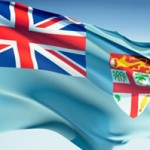
[caption id="attachment_2880" align="alignright" width="150" caption="The national flag of Fiji"][/caption]
Likuliku recently added the title of Best Overseas Resort from Australia's Luxury Travel Magazine to its list of accolades. It was also named the best deluxe/unique accommodation in this year's AON Fiji Tourism awards. The warm and friendly staff members are a key reason for this success. They offer personalized service which helps guests feel like part of the Likuliku family.
The resort's restaurant is also particularly noteworthy. Australian chef Brett Kryskow sources as many local ingredients as possible to ensure his dishes are fresh and connected to indigenous culture. The restaurant is located in the Central Facility, which also houses the guest lounge, boutique, and main bar.
While the Central Facility is always a hive of activity, guests can also enjoy relaxing near the horizon-edge pool, the spa, or the beautiful Masima Island Bar.
Likuliki Lagoon Resort is located 16 miles from Nadi International Airport. Guests can arrive via helicopter, seaplane, catamaran, or private speedboat. Rooms are not cheap, with prices starting at FJD$722, but this price buys real luxury. It also includes all meals and use of the resort's non-motorized activities.
Port Stephens, on the New South Wales north coast, is known as the dolphin capital of Australia.
Pods of these intelligent marine creatures swim close to the coastal region's 26 beaches.
You might spot one as you’re catching a wave, but for a more personal experience consider joining a Dolphin Swim Australia tour. While some zoos and marine parks allow guests to swim with their dolphins, this tour is the only one in Australia which lets you swim with Pacific Common dolphins in their natural habitat.
A catamaran takes you through the Port Stephens heads to an area known as the Gravel Patch, just off Broughton Island. Guests on the tour are all eager to be the first to spot a dolphin, and tour organizers suggest the dolphins are just as excited to see the boat.
It's not unusual to swim with around 20 dolphins swarming about you. They have no fear of humans, and seem delighted to have new playmates to share the waters with.
You might have read about dolphins in textbooks or watched them at the zoo, but an experience like this is the best way to really learn about these fascinating creatures. Note - our partner site JobMonkey includes an animal jobs eBook full of interesting facts about working with animals.
Dolphin Swim Australia tours are open to anyone aged 12 years and over. They cost $229 per swimmer for a four-hour tour and use of a wetsuit, mask, and fins. Observers can also board the boat for $60. Tours run most weekends, and during weekdays on demand. They do leave early at 6 am, but this time is perfect for enjoying dolphins at their most active.
 Papua New Guinea’s mosquitoes generally prove to be more of a problem for travelers than bandits. While their bites and buzzing can be an annoyance, there is a more serious side to mosquitoes as they can spread malaria and Dengue fever. Cover yourself in insect repellent to minimize the chance of bites and illness.
Papua New Guinea has its fair share of land and sea nasties. Its home to a handful of dangerous snakes, including the death adder and taipan, although these reptiles will not attack unless provoked. Be careful when walking in areas with limited visibility, such as long grass or leaf covered ground, as you may startle these dangerous creatures. If you are bitten apply a compression bandage and stay still until medical help arrive. Major medical centers are well stocked with antivenins to deal with these emergencies.
It’s common to encounter leeches when hiking through Papua New Guinea's jungle areas. While they are generally not dangerous, they can cause bleeding when removed. Insect repellent can help to ward them off, while insecticide can aid in their removal.
Crocodile attacks are uncommon, but you should heed local warnings to ensure you don't become one of the rare victims. Jellyfishes should also be avoided when swimming, as their stings can be painful. Sea snakes and poisonous cone shells are also common in coral reefs, so keep your eyes peeled on diving expeditions.
All of these dangers can seem overwhelming, but by exercising caution travelers can stay safe and enjoy their Papua New Guinea vacation.
Papua New Guinea’s mosquitoes generally prove to be more of a problem for travelers than bandits. While their bites and buzzing can be an annoyance, there is a more serious side to mosquitoes as they can spread malaria and Dengue fever. Cover yourself in insect repellent to minimize the chance of bites and illness.
Papua New Guinea has its fair share of land and sea nasties. Its home to a handful of dangerous snakes, including the death adder and taipan, although these reptiles will not attack unless provoked. Be careful when walking in areas with limited visibility, such as long grass or leaf covered ground, as you may startle these dangerous creatures. If you are bitten apply a compression bandage and stay still until medical help arrive. Major medical centers are well stocked with antivenins to deal with these emergencies.
It’s common to encounter leeches when hiking through Papua New Guinea's jungle areas. While they are generally not dangerous, they can cause bleeding when removed. Insect repellent can help to ward them off, while insecticide can aid in their removal.
Crocodile attacks are uncommon, but you should heed local warnings to ensure you don't become one of the rare victims. Jellyfishes should also be avoided when swimming, as their stings can be painful. Sea snakes and poisonous cone shells are also common in coral reefs, so keep your eyes peeled on diving expeditions.
All of these dangers can seem overwhelming, but by exercising caution travelers can stay safe and enjoy their Papua New Guinea vacation.
 [/caption]
This call for modesty extends to the wearing of jewelry or carrying of large sums of money. It is considered impolite to flaunt your wealth, and on a practical level it may make you a target for pick-pocketing.
It also extends to behavior. While public displays of affection are accepted in the Western world, they are frowned upon in Vietnam. A couple may hold hands, but they should only hug and kiss behind closed doors.
If you strike up a friendship with one of the locals there are some rules to remember when visiting their home. Shoes should be left at the front door before entering. Most Vietnamese homes have a family altar, a place where they can honor their ancestors and consult them on important family matters. Visitors should never sleep or sit with their feet pointing towards this family altar.
It is also considered impolite to snap a person's photo before asking them. Many locals will be happy to star in your shot, but some will not. It's important to respect the wishes of any unwilling models. You should not push the issue or offer them money in an attempt to change their mind. You should also never take a photograph of a military installation, officer, or anything else to do with Vietnam's military. This may be seen as a security breach, and dealt with accordingly. While you may want to preserve your entire vacation, you should leave your video camera at home when visiting small villages. The locals consider these modern devices to be intrusive.
There is a lot to remember when visiting Vietnam, but don't worry if you get it wrong. The Vietnamese people will appreciate your efforts and forgive any indiscretions.
[/caption]
This call for modesty extends to the wearing of jewelry or carrying of large sums of money. It is considered impolite to flaunt your wealth, and on a practical level it may make you a target for pick-pocketing.
It also extends to behavior. While public displays of affection are accepted in the Western world, they are frowned upon in Vietnam. A couple may hold hands, but they should only hug and kiss behind closed doors.
If you strike up a friendship with one of the locals there are some rules to remember when visiting their home. Shoes should be left at the front door before entering. Most Vietnamese homes have a family altar, a place where they can honor their ancestors and consult them on important family matters. Visitors should never sleep or sit with their feet pointing towards this family altar.
It is also considered impolite to snap a person's photo before asking them. Many locals will be happy to star in your shot, but some will not. It's important to respect the wishes of any unwilling models. You should not push the issue or offer them money in an attempt to change their mind. You should also never take a photograph of a military installation, officer, or anything else to do with Vietnam's military. This may be seen as a security breach, and dealt with accordingly. While you may want to preserve your entire vacation, you should leave your video camera at home when visiting small villages. The locals consider these modern devices to be intrusive.
There is a lot to remember when visiting Vietnam, but don't worry if you get it wrong. The Vietnamese people will appreciate your efforts and forgive any indiscretions.


 [/caption]
Likuliku recently added the title of Best Overseas Resort from Australia's Luxury Travel Magazine to its list of accolades. It was also named the best deluxe/unique accommodation in this year's AON Fiji Tourism awards. The warm and friendly staff members are a key reason for this success. They offer personalized service which helps guests feel like part of the Likuliku family.
The resort's restaurant is also particularly noteworthy. Australian chef Brett Kryskow sources as many local ingredients as possible to ensure his dishes are fresh and connected to indigenous culture. The restaurant is located in the Central Facility, which also houses the guest lounge, boutique, and main bar.
While the Central Facility is always a hive of activity, guests can also enjoy relaxing near the horizon-edge pool, the spa, or the beautiful Masima Island Bar.
Likuliki Lagoon Resort is located 16 miles from Nadi International Airport. Guests can arrive via helicopter, seaplane, catamaran, or private speedboat. Rooms are not cheap, with prices starting at FJD$722, but this price buys real luxury. It also includes all meals and use of the resort's non-motorized activities.
[/caption]
Likuliku recently added the title of Best Overseas Resort from Australia's Luxury Travel Magazine to its list of accolades. It was also named the best deluxe/unique accommodation in this year's AON Fiji Tourism awards. The warm and friendly staff members are a key reason for this success. They offer personalized service which helps guests feel like part of the Likuliku family.
The resort's restaurant is also particularly noteworthy. Australian chef Brett Kryskow sources as many local ingredients as possible to ensure his dishes are fresh and connected to indigenous culture. The restaurant is located in the Central Facility, which also houses the guest lounge, boutique, and main bar.
While the Central Facility is always a hive of activity, guests can also enjoy relaxing near the horizon-edge pool, the spa, or the beautiful Masima Island Bar.
Likuliki Lagoon Resort is located 16 miles from Nadi International Airport. Guests can arrive via helicopter, seaplane, catamaran, or private speedboat. Rooms are not cheap, with prices starting at FJD$722, but this price buys real luxury. It also includes all meals and use of the resort's non-motorized activities.
 It's not unusual to swim with around 20 dolphins swarming about you. They have no fear of humans, and seem delighted to have new playmates to share the waters with.
You might have read about dolphins in textbooks or watched them at the zoo, but an experience like this is the best way to really learn about these fascinating creatures. Note - our partner site JobMonkey includes an
It's not unusual to swim with around 20 dolphins swarming about you. They have no fear of humans, and seem delighted to have new playmates to share the waters with.
You might have read about dolphins in textbooks or watched them at the zoo, but an experience like this is the best way to really learn about these fascinating creatures. Note - our partner site JobMonkey includes an