FrugalMonkey Discount Travel News

Category: Trip Planning

  • Shop for Food and Souvenirs on the Cheap at European Markets

    Whether you’re looking for supplies for a picnic lunch or unique (and affordable) souvenirs to bring home, you’re sure to find them at one an outdoor European market.

    The market scene (food markets, flea markets, craft markets, etc.) is as diverse as the cities in which they are located. Here are overviews of some of the most famous markets in Europe and what you can expect to find there. Aix-en-Provence, France The southern (Provençal) French city of Aix-en-Provence Provençal  is home to some of the most famous markets in France. The grands marchés (big markets) in Aix take place three times a week (on Tuesdays, Thursdays, Saturdays) in the city’s two main squares, Place des Prêcheurs and Place de la Madeleine, and in the quartiers (neighborhoods) of Encagnane and of the Jas de Bouffan. Here you can find loads of food (bread, pastries, meats, cheese, fruits and vegetables) traditional Provençal goods like olives, soaps, jewelry, clothing, art, and Provençal textiles at much more affordable prices than you would in shops aimed at tourists.  In addition to the grands marchés, Aix has several specialty markets.  At Place de l’Hôtel de Ville (opposite the town hall,) every Tuesday Thursday and Saturday there is a large flower market. There is a vintage clothing and accessories market on the Cours Mirabeau (Aix’s main street) on Tuesday and Thursday. More clothing and antiques can be found at the Place de Verdun in front of the Palais de Justice on Saturdays. Aix’s antique and second-hand book fair is held on the 1st Sunday of each month from 9 am to 6 pm at Place de l’Hôtel de Ville (Town Hall square). Flohmarkt am Mauerpark, Berlin [caption id="attachment_5047" align="alignright" width="300" caption="The markets of Aix-en-Provence are a great place to shop for food and authentic souvenirs. "][/caption] Berlin is known for its lively flea market scene. One of the most popular is flohmarkt (“flea market”) am Mauerpark, which is open on Sundays from 8am - 6pm. Flohmarkt am Mauerpark is located in Prenzlauer Berg, about a block down from and across the street from the famous Mauerpark (known for its Berlin Wall memorial). The market is near to the Friedrich-Ludwig-Jahn-Stadion M10 tram stop (formerly Oderberger Straße).  Flohmarkt am Mauerpark is a great place to purchase bikes, hats, vintage sunglasses, old photo albums (with the photos still inside), and mid-century home accessories and vintage jewelry. It’s also a great place to go for lunch. There are several food stalls and an outdoor seating area with a small stage where local performers entertain shoppers. I strongly recommend going directly to the Turkish food stand and ordering the Turkish sampler plate (loaded with fresh veggies, herbed potatoes, lamb and onions) and grabbing a cup of German gluhwein (spiced wine with rum) from the beverage booth. Seville, Spain Seville has some of the most vibrant markets in Europe. Three of the most popular are Mercadillo del Duque la Magdalena, Mercadillo Filatélico and Mercadillo de los Jueves. Mercadillo del Duque la Magdalena, Plaza del Duque / Plaza de la Magdalena, Thursday to Sunday – 10am to 9pm. Mercadillo del Duque la Magdalena is a great place to find reasonably-priced souvenirs. Head here to stock up on fashion and handmade jewelry, hats, scarves, bags, sunglasses, leather goods, soaps and perfumes. Mercadillo Filatélico, Plaza del Cabildo, Sundays 8pm to 3pm, This lively open-air market in Seville’s city center is a great place to spend a lazy Sunday browsing antiques, old coins, stamps, postcards and other collectibles. Mercadillo de los Jueves, Feria, Alameda de Hércules, Thursdays – 7am to 3pm One of Seville’s oldest open-air markets, Mercadillo de los Jueves, located in the Calle Feria, is a great place to find collectibles and antiques, as well as art and used books.

  • Visiting Minnesota’s North Shore of Lake Superior on a Budget

    If you’re looking for a cheap, stress-free getaway surrounded by nature, consider a trip to the North Shore of Lake Superior in Minnesota.

    Whether you choose to spend your time dining on the cheap in delicious local eateries, sampling local beers, hiking along the miles of inland trail, kayaking, surfing (no joke!) or simply strolling the shore of Lake Superior, a visit to the North Shore is sure to be a relaxing escape from the realities of everyday life. How to get there: Duluth, Minnesota (the first big city on the North Shore), is an approximately 3.5 drive from the Twin Cities of Minneapolis and St. Paul (a straight shot up interstate 35W). Duluth does have a regional airport, but flights here are more expensive and fewer than those arriving at the Minneapolis/St. Paul International Airport (MSP). I would recommend flying into MSP, spending a night in the Twin Cities, and renting a cheap car for the scenic drive up to the lake. [caption id="attachment_5030" align="alignright" width="300" caption="Enjoy the the natural beauty of the sun setting over Lake Superior."]Lake Superior vacation photo[/caption] Where to stay: In addition to hotels, resorts and cabin rentals in all price points along the North Shore, there are several privately owned and state park campgrounds that are perfect for travelers on a budget. Wherever you end up staying, make sure you reserve a spot early, especially if you are planning to visit during the peak tourist months (May- October). If you’re traveling by plane and don’t want to bring a tent, sleeping bags and other gear (fishing or hiking gear, for example) with you on the plane, it’s relatively easy to find places to rent gear in Minneapolis/St. Paul or on the North Shore (in Duluth or Grand Marais). Check at the visitor’s centers in Duluth and Grand Marais for the most recent information on rental spots. Here are some private, municipal campgrounds that are popular with tourists: Knife River Campground 218-834-5044 This medium-sized campground (30 tent and trailer sites with hookups) is located on the western side of the Knife River. Penmarallter Campground 218-834-4603 This campground is known for its large RV (with hookups) & tent sites. Each site as a fire pit and picnic table. Penmarallter is located midway between Duluth and the city of Two Harbors . Burlington Bay Campsite 218-834-2021 Located in Two Harbors, this campground is located on the shore of Lake Superior. There are 20 tent sites and 93 trailer sites (with hookups). Golfers will enjoy the municipal course across the highway. Lax Lake Campground 218-353-7424 Located near Gooseberry Falls State Park, Lax Lake Campground and resort has sleeping rooms, cottages, cabins, and tent and trailer sites with hookups for rent. The compound also has a spacious lodge with laundry facilities and a game room. What to do: My favorite things to do along the North Shore include hiking, kayaking, gallery browsing and eating. For more information on hiking the North Shore trails or the famous Gunflint Trail, see http://www.northshorehiking.com/. There are a variety of spots to rent kayaks in both Duluth and Two Harbors (ask at the visitor’s center in each city for the most recent information). Every August, Two Harbors hosts a kayak festival, which is fun for the whole family http://kayakfestival.upnorthmn.net/. Sivertson’s Gallery http://www.sivertson.com/ has locations in Grand Marais and Duluth. The gallery features a large array of sculptures, paintings, paper goods, jewelry and accessories (silk scarves, etc.) from Minnesota and Wisconsin artists. Where to eat: There are some great options on the North Shore for frugal foodies. The Angry Trout Café, located in Grand Marais, serves a variety of fresh fish dishes in a casual atmosphere overlooking the lake. The best breakfast on the North Shore can be found at the Duluth Grill. Don’t be fooled by its Denny’s-like exterior, this place is definitely foodie-friendly (be sure to try the red flannel hash -- grated and spiced carrots, potatoes and beets). If you’re looking for a lively nightlife scene, Duluth is your best option. Fitger’s Brewhouse often has live music to be enjoyed along with good food (and beer, of course!) at reasonable prices. Red Star serves up drinks from a full bar and has a nightclub vibe (both are located in the Fitger’s complex). At the other end of town, check out the live music, full bar and reasonably-price wood fired pizzas and tap beers at the Clyde Iron Works Restaurant (located in the renovated Clyde Iron Works factory).

  • Communicate on the Cheap: How to Save on Phone and Internet Communication While Traveling

    It’s true. Most of us have a hard time getting through the day without checking our voicemails, updating our Facebook statuses, tweeting about our daily activities, or checking email.

    Media and communication have become an integral part of our daily lives, and that doesn’t change when you are miles away. In order to stay on budget, frugal travelers don’t have to forgo these “necessities,” they just have to be savvier about how they approach them. Here are some tips for continuing to indulge in your daily communication rituals while traveling without breaking the bank. Cell Phones (and alternatives) No doubt you’ve heard horror stories about traveler’s who’ve been hit with roaming fees while making calls abroad and come home to find a massive phone bill waiting for them (Internet fees can be even heftier). Be sure to read the fine print on your cell phone contract (or contact your carrier) before embarking on a trip. If you’re planning on traveling or working abroad, I suggest looking into a pay-as-you-go cell phone. Buy the cheapest phone you can (you’ll only be using it for a while) and simply load it with more minutes as you need them. This will provide you with the flexibility to make calls in the country you’re visiting (to confirm reservations, make plans with friends, etc.). Of course, calling abroad (to friends and family back home) will cause you to fly through those minutes, but it’s better to know how much you’re spending as you go rather than waiting for the killer bill when you get back home. If you can stand the “inconvenience” of using a stationary phone, I highly suggest using phone cards (these can be purchased at convenience stores and magazine stands). Typically, this will be your cheapest option. To avoid hidden fees sometimes charged by international hotels, either ask for clarification up-front from a hotel employee (“Will I be charged extra if I make a call from my room using this calling card?”) or, to be on the safe side, always use a phone booth. I almost always opt for calling cards when I’m traveling abroad. I know I’ll save money this way (and it’s a nostalgic trip back to my pre-cell phone days as a student gallivanting around Europe). If you are able to secure an Internet connection, Skype is also a great option for communicating with friends and family in other countries for free. Simply create an account at www.skype.com and start talking for free. internet cafes photo Internet Free wi-fi is so common in most parts of the world (especially touristy parts) that one can conceivably never have to pay for Internet while traveling. The most convenient thing is if your hotel has free wi-fi (either in each room or in the lobby). If it doesn’t, it’s time think creatively. Perhaps there is a coffee shop in the area with free wi-fi for customers (some hotel concierges will have a list of free wi-fi spots). Is there a public library nearby? Maybe you could hop on their wi-fi. I always bring my iPad with me while traveling. It’s light and portable (I also have it loaded with useful travel iPhone apps to help me save money and time) and I’m always ready to hop on free wi-fi if the opportunity presents itself. I recently read an article about a frugal traveler who was able to get free Internet access on his Kindle -- worth a try! If worse comes to worst, Internet cafés are ubiquitous in most cities. You can pay to hop on (or sometimes access is free with a purchase) for enough time to do what you need to get done. Another option is to purchase a wi-fi plan through a site like http://www.wi-free.com/.

  • Tips for Planning a Long Trip on a Budget

    Planning any trip can be complicated, but details become even more important when trying to organize a longer (multi-week, multi-month) voyage (and doing it on the cheap!).

    While this proposition can seem overwhelming at first, remember that the end result will be worth all of the work up front. It’s important to keep in mind that laying the groundwork by doing a bit of researching and planning will provide for a much more satisfying (and budget-friendly) travel experience. Use these tips to avoid becoming overwhelmed and exhausted during the planning process (after all, you’ll still need plenty of energy for the trip itself!). Put in for your vacation time. While it’s tempting to get caught in planning what you are going to do when you actually get to your destination, it’s important to make sure your “real life” is covered. If you work full-time, find out how much vacation time or personal days you have accrued. The ideal situation is to continue to get paid while you’re globetrotting. If your workplace allows for it, save up enough vacation days to cover your long trip. Also, make sure you put in for your vacation time as soon as you establish your travel dates to make sure you actually get the time off. Develop a plan for your home while you are away. It’s important to think about who will “hold down the fort” (water plants, feed animals, shovel your driveway, make sure your pipes don’t freeze, etc.) while you are traveling.  To avoid the extra cost and nuisance of abandoned house related problems, it may be advantageous to invite a friend to come and stay at your place while you are away to make sure things go smoothly. Remember to stop your mail during the time you’ll be on vacation. You can submit this request whenever you’d like via usps.com. [caption id="attachment_4967" align="alignright" width="300" caption="To avoid stress and extra fees, it's important to get your documents (passport, visas, etc.) in order before embarking on a long voyage."]passport photo[/caption] Get your paperwork in order. This is especially important if you will be traveling to one or more foreign countries. At the very least, you’ll need to make sure your passport is up to date and get a new one if it’s not. If you’re planning to stay in a country for over three months, you may need to acquire a visa (information regarding these documents can be found on consulate websites). Taking care of these details sooner than later will help you avoid stress and rush processing/mailing fees later on. Also, to make sure you have access to your funds while you are abroad, make sure to inform your bank and credit card company of your impending departure. Like stopping your mail, this can be done at any time (they simply enter your travel dates into their computer). Start researching flights early. It’s important to begin looking for flights as soon as you can. This will give you an idea of what options are available to you. Luckily, we have several suggestions for helping you find cheap flights here at Frugal Monkey. The earlier you have your flights established, the easier it will be to book your other transportation (trains, car rental, etc.). Think creatively about accommodations. Next to airfare, accommodations are usually the most expensive part of any trip. If you’re traveling on the cheap, this doesn’t mean that you’ll have to forgo a place to rest your head every night. You’ll just need to think a bit more creatively about where to stay. Check out these suggestions for how/where to inexpensive lodging while on the road. Adopt a philosophy of frugality. This is easier said than done. Living out one’s frugal ideals while traveling is entirely possible, but it takes a bit of foresight. Take a look at these suggestions to stretch your travel dollars further. Enjoy. You’ve worked hard to plan a fantastic trip. Now it’s time to reap the benefits. Bon voyage!

  • How To Be a Good Houseguest

    One of the most expensive aspects of travel is lodging. Hotel stays can really start to add up after a week or two.

    There are many alternative lodging options available to help frugal travelers cut costs. Of course, one of the cheapest of these is staying with an acquaintance, friend or family member (because it is usually free). It’s true that host/guest expectations can vary widely depending on relationships, work schedules, and numerous other variables. Here are some general tips to assure that your stay goes smoothly and improve your chances of being invited to come stay again. Communicate your schedule and other details about your stay. It’s important that your host(s) know what to expect during your stay. Communicate details about your travel schedule (flight/train arrival and departure times, etc.) and about your stay in general (how many days you will be staying, if you will be staying with your guests the entire time, what your plans are during the day and evening, etc.). These details are especially important if your hosts will be filling various roles (airport chauffeur, tour guide, etc.) to accommodate your stay. If your hosts would like to spend some time with you (take you to see certain sights, have dinner at home together, etc.), it’s important to plan this in advance to make sure everyone is aware of one another’s expectations. Consider all aspects of transportation. Never assume that your host will provide transportation for you. It’s always best to discuss these things in detail up front. Be aware of your host’s own transportation situation. If you are staying with a married couple who both work and need two cars to get to their jobs each day, then it is unrealistic to expect that you would be able to borrow a car for each day of your stay. In this type of situation, it is best to consider renting a car to make sure that everyone’s transportation needs are covered and that you do not cause undue stress to your hosts. Remain aware of your host’s schedule. If your host has to work at 8am, be quiet when you come home after a night out on the town. Likewise, if you’re an early riser and your host prefers to sleep late, postpone louder activities until after he or she awakes (or sneak out of the house and grab breakfast at a local coffee shop). It’s also good to be clear about what everyone’s eating plans are for the day (Will you be eating together that evening? Should your host make extra coffee for you in the morning? Etc.) to avoid misunderstandings and possible frustration. Show your gratitude. There are many ways to do this. Keep in mind that even the simplest gesture of gratitude can go a long way. If your host drives you around for a day, offer to pay for gas. Offer to pay for food that your host has purchased for your stay or offer to cook him/her a special dinner (and do the dishes!). If culinary arts aren’t your thing, offer to take your host(s) out to dinner or buy them a gift certificate to their favorite restaurant. You could also bring a host gift (a nice bottle of wine, etc.) to give to them at the beginning of your stay. After you return home, be sure to send a thank you note reiterating how nice it was for them to accommodate you. Of course, good houseguests always offer to wash the sheets and towels they have used and leave their rooms as clean as they found them. Offer to return the favor. Make sure your hosts know they are welcome to stay with you at any time. If they do take you up on the offer, be sure to treat them even better than they treated you during your stay. This is the key to establishing a great routine and assuring more free lodging in your future.

  • Tips for Making the Most of Public Transportation in Europe

    It can safely be said that using public transportation (subway, buses, trains, etc.) is cheaper than taking a cab in any city in the world. See: Cab Fare Calculator

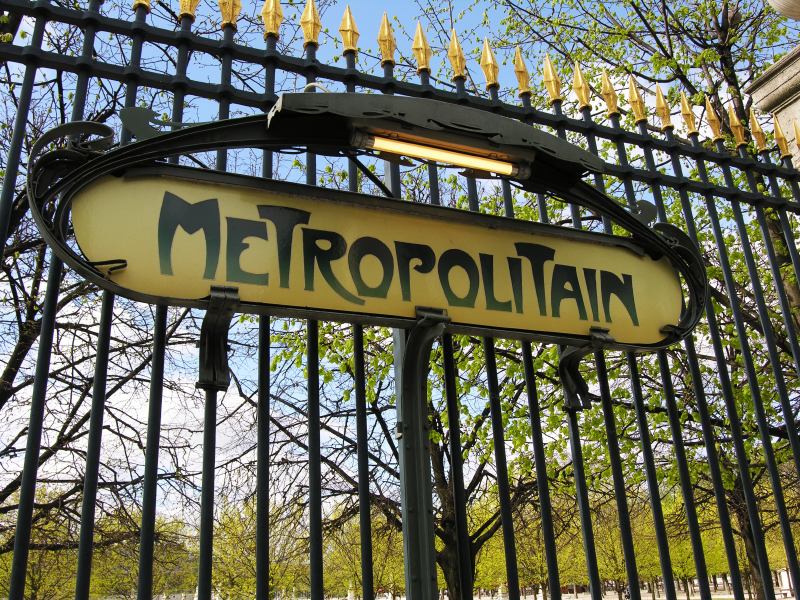
    However, many frugal travelers become confused or intimidated by public transportation systems for a variety of reasons including navigation skills and language barriers or end up spending too much money on public transportation tickets because they are unaware of other more cost-effective options. Here are some tips for making the most out of your public transportation experience as you travel through European cities. General safety tips: While using public transportation in Europe,  remain aware of pickpockets and petty thieves. They tend to prey on confused tourists in bus/subway/train terminals or at taxi stops. Along these lines, avoid carrying a wallet in an easily accessible pocket and use a purse or bag that you can hold close to yourself both when waiting for public transportation and while riding on it. Make sure that your hands are free by carrying as little luggage as possible while using public transportation. Do your best not to allow yourself to be jostled by people in crowded stations. [caption id="attachment_4953" align="alignright" width="300" caption="Paris' metro is inexpensive to use and easy to navigate once you get the hang of it. "]paris metro photo[/caption] Especially if you are traveling alone, never choose an empty car on a subway or train (this could make you especially vulnerable to pickpockets. On empty buses, sit in an aisle seat near the driver. Avoid using dim or empty entrances to subway stations or bus terminals at night. If possible, use only busy, illuminated stations. Stand back from the curb while waiting for a bus and maintain a safe distance from the track when waiting for subways and trains. Most subways have a shrill siren or tone that sounds right before the subway car doors close. Be mindful of this, but also be aware that this usually sounds for at least 10 seconds. General navigation tips: There are paper maps of public transportation systems available at most tourist centers and public transportation systems. Most subway cars and buses have small maps on the walls as well as “line maps” that just show the line you are on (so that you can verify that you are going the right direction and see when your stop will come up. Many of Europe’s subway systems are color-coded (each line is represented by a different color). Use these colors to guide you as you plan your trajectory (the colors will help when transferring lines at various stations). Numbers and names are also used to label lines. One the front of most subway cars and buses will be the name of the last stop. Use this to make sure you are going in the right direction. In any metro system, there are several stations that are bigger than others and accommodate  transfers to several different lines. Typically, the lines and directions are well marked on the walls to help you navigate as you walk through the station. General money-saving tips: If you are only going to be in a city for one or a few days, consider buying a pack of one-way transportation tickets or a day pass if it is offered. Day passes allow for unlimited travel  (usually on both subways and buses) and can save you quite a bit of money if you plan on spending all day out and about. If you are staying for longer than a week, consider buying a transportation card (in Paris this is called a Carte Orange, in Berlin it’s a Willkommen in Berlin Card). These cards will provide you with unlimited travel for the week you are there and, like the day pass, will allow you to save quite a bit of money. Some words of caution: Quite a few European cities (like Paris) have multi-zone subway systems. Different types of tickets are needed for each zone. Make sure you know what zones you will be traveling in and make sure that you purchase the correct tickets.  Subway company employees will hop on the cars from time to time to verify passenger tickets. If you do not have the correct one, be prepared to pay a fine. Throughout your travels, you’re sure to see locals who have figured out ways to avoid paying for their public transportation by stealing tickets or jumping the turn-styles. Though this may look like a good idea, I highly discourage it. I can’t tell you how many times I’ve seen clumsy Americans try to clear a turn-style, only to fall flat on their faces and be caught by the fine-giving subway employees. Best to play it safe, especially when you’re far from home.

  • 8 Tips for Scoring Cheap Flights

    I don’t know about you, but I’m definitely planning on doing some frugal travel in 2011. There’s nothing worse than shelling out most of your travel budget on flights (I prefer to have a bit of cash to enjoy all the my destination has to offer. If you’re also planning to  travel in 2011, here are some tips for finding inexpensive flights. It may take a bit more effort than just booking the first flight you come across to your destination, but the money you save will be worth it in the end.

    1. Plan travel far in advance. When possible, plan your trips as far in advance as you can. This will allow you more time to monitor airline trends and nab tickets when prices are at their lowest.
    2. Be flexible with dates. If you can depart on a Thursday and return on a Monday, odds are you’ll find better deals than if you are trying to fly on the weekend. On a related note—hold off on making hotel reservations until your flights have been secured.
    3. Consider all of your options. Searching flights using a flight aggregator is a good way to do some initial research and price comparison, but be sure to check the individual airline’s websites themselves. Many major airlines guarantee the best flight prices on their own sites. Moreover, some aggregator sites charge additional fees that can be avoided if you book directly with the airline. Always check airlines known for their low rates like Southwest and Jet Blue. If you are part of a fidelity program (airline miles) at one of these airlines, research blackout dates and see if you have accrued enough miles to fly to your destination (or at least part way there) for free.
    4. Keep the big transportation picture in mind. Think about the non-airline related transportation details of your visit. If you arrive at 10:00am instead of 4:30am, perhaps a friend or relative could pick you up at the airport instead of having to pay for a cab. Or consider the times that public transportation or hotel shuttles run. Be sure to think through all of these details before settling on a flight—this will save you money in the long run. cheap flights photo
    5.     Consider breaking up your itinerary based on flight prices. Depending on where you are going, piecing  together flights from multiple carriers may be cheaper than booking a direct flight. For example, if you are flying from New York to Paris, try to find the cheapest flight you can from New York to Amsterdam (a major European hub) and another cheap flight (perhaps on another carrier) from Amsterdam to Paris. 6.     Sign up for airline email alerts. Most airlines offer the possibility to sign up for destination specific deals on flights. Sites like farecompare.com also offer these types of alerts. 7.     Consider a travel flight/hotel/car package. If you are planning on booking a hotel or renting a car at your destination as well, you can save money by booking them all together as a package. See sites like Expedia and Orbitz for options. 8.     Use a travel agent (or travel savvy friend). I know, this sounds strange. But think about it: travel agents are trained to find the best deals on airfare and vacation packages. If all of this research sounds like too much of a time commitment (or too complicated), consider using a travel agent to do the heavy lifting for you. Another option would be to delegate the research and booking duties to a travel savvy friend or travel partner.

  • Paris (France) on the Cheap

    It’s no secret that the City of Lights is also one of the most expensive in the world. Never fear, frugal travelers.

    With a bit of creativity, it’s possible experience all of what Paris has to offer on the cheap. Here are some suggestions. Where to stay: In addition to checking out alternative discount lodging options (housing swaps, vacation rentals, couch surfing), here is a very abbreviated list of reasonably priced places to stay in Paris. Hôtel Séjour Beaubourg, 36 Rue du Grenier St-Lazare, has clean, bright rooms with private bathrooms and showers starting at 60 euros a night. Hôtel du Commerce is a cross between a hotel and a hostel (only 3 of the hotel’s 32 rooms have a private bathroom and shower). Rooms here go for as little as 40 euros per night. Absolute Hotel Paris is another hotel/hostel hybrid located at 1 Rue de la Fontaine au Roi. There are quad, triple or double rooms for as little as 30 euros per night. Each room has its own bathroom and shower. Hôtel du Nord et de l’Est, 49 Rue De Malte, is a cozy 2-star hotel with rooms starting at 50 euros a night. What to do: [caption id="attachment_4886" align="alignright" width="300" caption="Spend an afternoon strolling through the Luxembourg Gardens (for free!). "]luxembourg gardens photo[/caption] There are a variety of free, interesting things to do in Paris. Keep in mind that most museums offer free or discounted admission prices for children and students (as is the case in other European countries, most museums are closed on Mondays). Here are a couple of suggestions for interesting (free) ways to spend an afternoon. One of my favorite “budget activities” to do in Paris is to pick a neighborhood and simply wander around. This is one of the best ways to really get to know a city’s history and culture. Paris’ oldest neighborhood, Le Marais, is located on the Right bank of the Seine river. This is where you’ll find the oldest private residence in Paris (from the early 15th century), located on the Rue de Montmorency. It’s a wonderful area to stroll around and relatively easy to navigate. History buffs will love the Arenes de Lutece, 47 rue Monge et rue de Navarre (Métro: Place Monge, Jussieu, Cardinal Lemoine), located in the 5th arrondissement. Hours: Daily 8AM - 5.30PM (winter), 8AM - 10PM (summer). This impressive ancient Roman theater is one of two that have survived over the years in Paris (the other being Thermes de Cluny). Spend the afternoon in this lovely archeological park to get away from the hustle and bustle of the rest of the city. Admission is always free. Located in Paris’ 6th arrondissement, the 55-acre Jardins de Luxembourg (Luxembourg Gardens) is free and open to the public. Amidst the impressive landscape architecture comprised of gravel walkways, grassy expanses, and large pools and fountains, you’ll find the French Senate, which is housed in the luxurious Palais du Luxembourg. It’s not just tourists who flock to the Jardins de Luxembourg. You’ll see many Parisians strolling around or enjoying a picnic here as well. Admission is always free. Where to eat: No doubt that Paris is a haven for foodies. See: eating cheaply in Paris. However, you don’t need to fork over the big bucks in a Michelin star restaurant to have a great culinary adventure in Paris. Street vendors selling crêpes, gaufres (large waffles), and long sandwiches made of baguettes are ubiquitous. One of my favorite “foodie on a budget” activities in Paris is buying fresh fruit, cheese, baguettes and a bottle of wine at a local open-air market (or at one of the specialty shops along Rue Mouffetard) and going on a picnic along the banks of the Seine river.

  • Getting There on the Cheap: Tips for Stretching Your Travel Dollars

    A large part of traveling frugally is making your dollars stretch further and identifying alternative modes of travel that allow you to get where you want to go at reasonable rates.

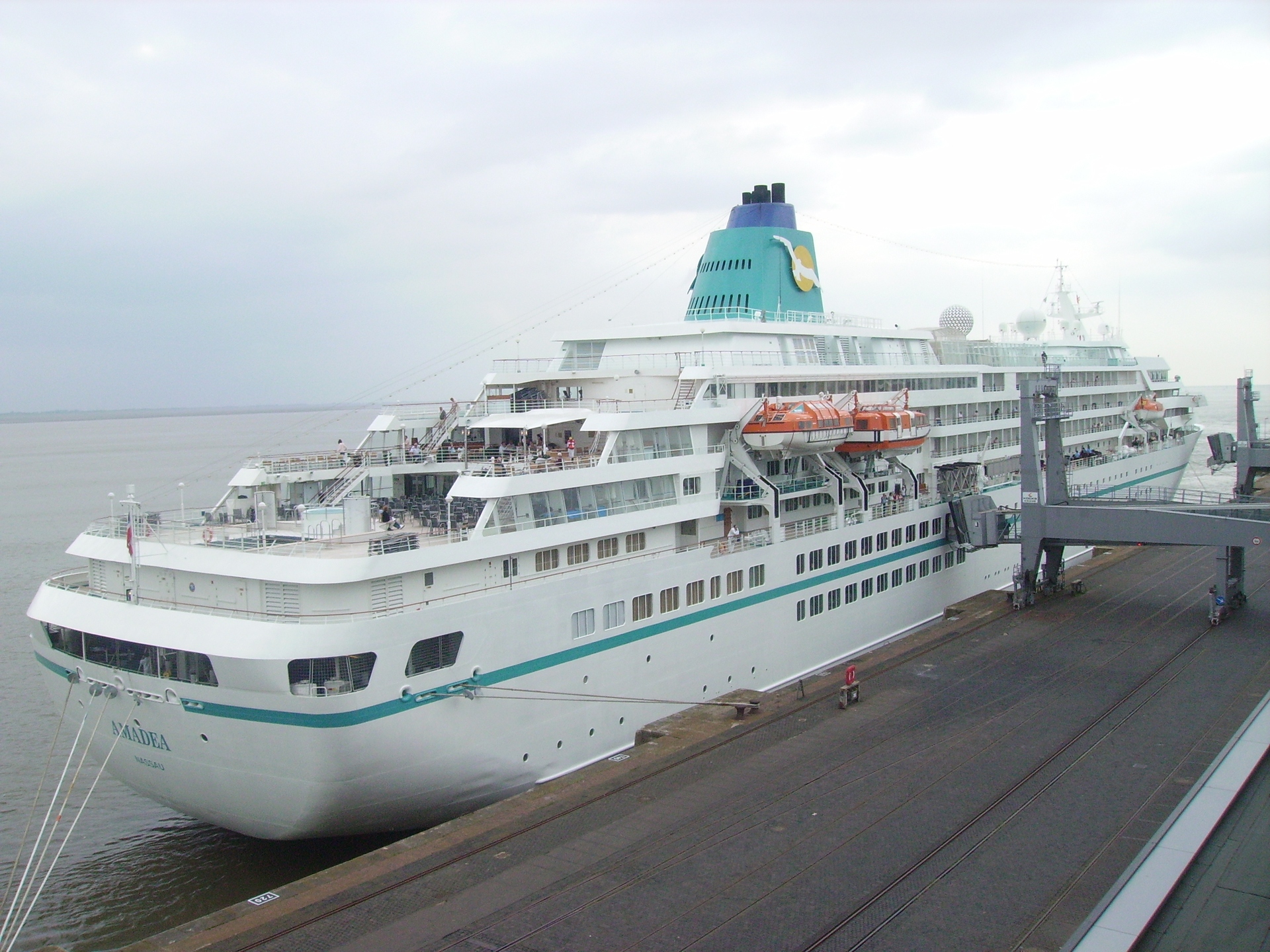
    Here are some suggestions for ways to wisely spend your hard-earned dollars to get the most out of your travel. By following just a few basic guidelines, savvy frugal travelers are often able to go on trips they never dreamed they could afford. Credit Card Miles/Airline Fidelity Programs There are many benefits to having an airline credit card (you can typically check luggage for free and you accumulate miles with every purchase). I suggest really committing to one airline instead of putting your eggs in multiple baskets (it’s harder to accumulate enough miles for a flight this way). Be sure to do some research before committing to one program. Important aspects to research include: ease of redeeming frequent flyer miles, miles needed to travel to various destinations (that you are interested in traveling to), frequency of blackout dates, frequency of flights offered by that airline to destinations you are actually interested in visiting (or at least flights into cities that will get you close to that location), and the details of the credit card itself (annual percentage rate, payment terms, spending limit, etc.). After you find a program you like, use the airline credit card for as much as you possibly can. Paying off the balance in full at the end of each month will ensure that you aren’t paying for your miles (though interest). Courier Flights [caption id="attachment_4881" align="alignright" width="300" caption="Repositioning cruises can be a great way to get where you want to go on the cheap."]cheap cruises photo[/caption] Discounted airfares for air couriers have been around for quite a while, yet few people take advantage of this method of frugal travel. Here’s the gist of how it works: businesses and individuals will often employ a courier to transport a package or document to a certain destination to ensure that it gets there safely and in a timely manner. Large courier shipments travel in the hold of the plane, and the courier keeps the documents to get them through customs with him or her in the plane. Most of the time, the courier’s only task is to deliver these documents to a company representative waiting when he/she disembarks from the flight (typically the courier does not have to deal with customs). To save money, most companies do not hire someone to do this. Rather, they subsidize the cost of the flight for someone who is interested in traveling to the destination of the shipment. To find out more about being a courier, check out this site: http://www.aircourierinternational.com/ Repositioning Cruises Repositioning cruises are a great way to get from one side of the world to another on the cheap. Twice a year, cruise lines move their fleets from locations like the Mediterranean, Asia, Alaska, Europe to the Continental U.S. (and vice versa).  The prices for these cruises are greatly reduced, which presents a unique opportunity for travelers on a budget. For more information on repositioning cruises coming up in 2100, see: http://cruises.about.com/od/cruisedestinations/a/repositioning_3.htm Round-the-World/Multiple Destination Tickets Though round- the- world tickets can take a bit of effort to research and book, they make travel to multiple international destinations more financially viable. These work great if your travel schedule is flexible. There are several airline families that offer these types of trips. For more information on traveling with a round-the-world ticket, see: http://www.roundtheworldticket.com/

  • Traveling to Puerto Rico on the Cheap

    Lacking in vitamin D and in need of a break from the mounds of Midwestern snow we received last winter, my husband and I decided we needed a budget-friendly, sun-filled getaway.

    As we scoured discount travel sites on the Web, we were pleasantly surprised to find deals to several enviable locations. In the end, we decided to go to Puerto Rico for several reasons, not least of which were price and ease. Travel Overview Puerto Rico is officially part of the United States, so you don’t need a passport to enter the country if you are a U.S. citizen (but of course be sure to bring your passport or state issued ID to get through security or rent a car once you get there). Since Puerto Rico uses the U.S. dollar, there is also no need to change currency or do on the spot price conversions while touring, shopping or grabbing a bite to eat. Nearly all Puerto Ricans speak English, so you don’t have to rely on your rusty high school Spanish to get you through (unless you want to, of course). Getting There [caption id="attachment_4872" align="alignright" width="225" caption="Puerto Rico offers rich culture, tantalizing cuisine and beautiful beaches at reasonable prices."]Barranquitas photo[/caption] Most flights going to Puerto Rico from the continental U.S. leave from either Miami or New York. Getting to these major cities is relatively easy. The in-flight time from New York to San Juan is three and a half hours and Miami to San Juan is only 2 and a half. Because many carriers offer flights to San Juan, prices are typically quite low (in comparison to other warm destinations). We booked our tickets for $350 each in 2009. San Juan’s International airport is located within the San Juan metro area. If you’re planning to stay in San Juan, a cab ride to your hotel won’t be very expensive (and all of the major hotels have free shuttles). However, if you plan on staying further out (like in the surf haven of Luquillo), you may want to consider renting a car. There are buses that traverse the island, but they don’t run as frequently as some travelers would like. Accommodations If you stay out of the touristy areas of San Juan (San Juan, the Condado Strip), accommodations are quite reasonable. We stayed in a boutique hotel in the Condado (a few blocks off of the glitzy casinos that line the beachfront). For $100 per night, we enjoyed a beautiful, clean room, rooftop hot tub and daily continental breakfast. Of course, there are less expensive options the further away you get from the water. There is also a reputable hostel in San Juan (Hosteria Del Mar Hotel San Juan). Eating There are plenty of opportunities to find great “street food” at food carts in San Juan or roadside stalls once you get out of the city proper. Traditional Puerto Rican cuisine is hearty and inexpensive. One of the best places to go in San Juan is Café del Angel (Ashford Avenue 1106, Condado). The spacious but simple two-room restaurant/bar is a favorite with locals. The servers are used to dealing with “out of towners” and are more than happy to describe in detail any dish on the comprehensive bilingual menu. A trip to San Juan would not be complete without a stop at El Hamburger (402 Munoz Rivera Avenue, near the La Ocho beach and surf break), a favorite among surfers and locals. El Hamburger serves up affordable, juicy burgers with all the fixin’s. In addition to classic cheeseburgers and bacon cheeseburgers, El Hamburger also offers an impressive Roquefort burger and some of the best fries I’ve ever had. Wash it all down with a Medalla or a Corona with lime. You’ll be pleasantly surprised by the  bill (we never paid more than $20 for two people).